Chlamydia trachomatis

CausesChlamydia

This common and curable sexually transmitted infection (STI) doesn't always cause symptoms.
Without symptoms, it's easy to transmit chlamydia without knowing it.

Read on to learn more about this infection before discovering how to get a chlamydia diagnosis at home.

Chlamydia trachomatis information

Clarity begins with testing.

At-home testing with secure, clinician-reviewed results.

What is Chlamydia trachomatis?

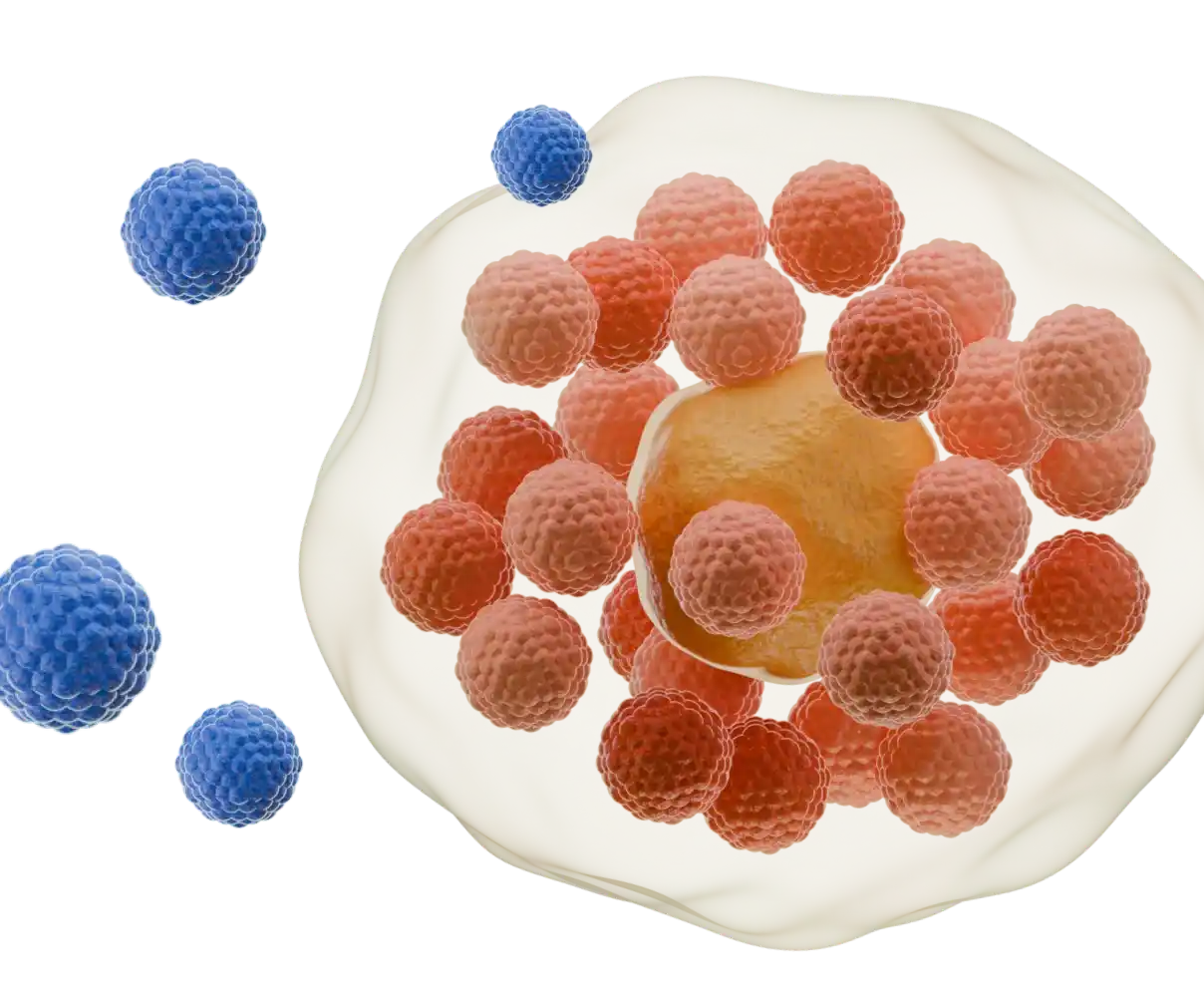
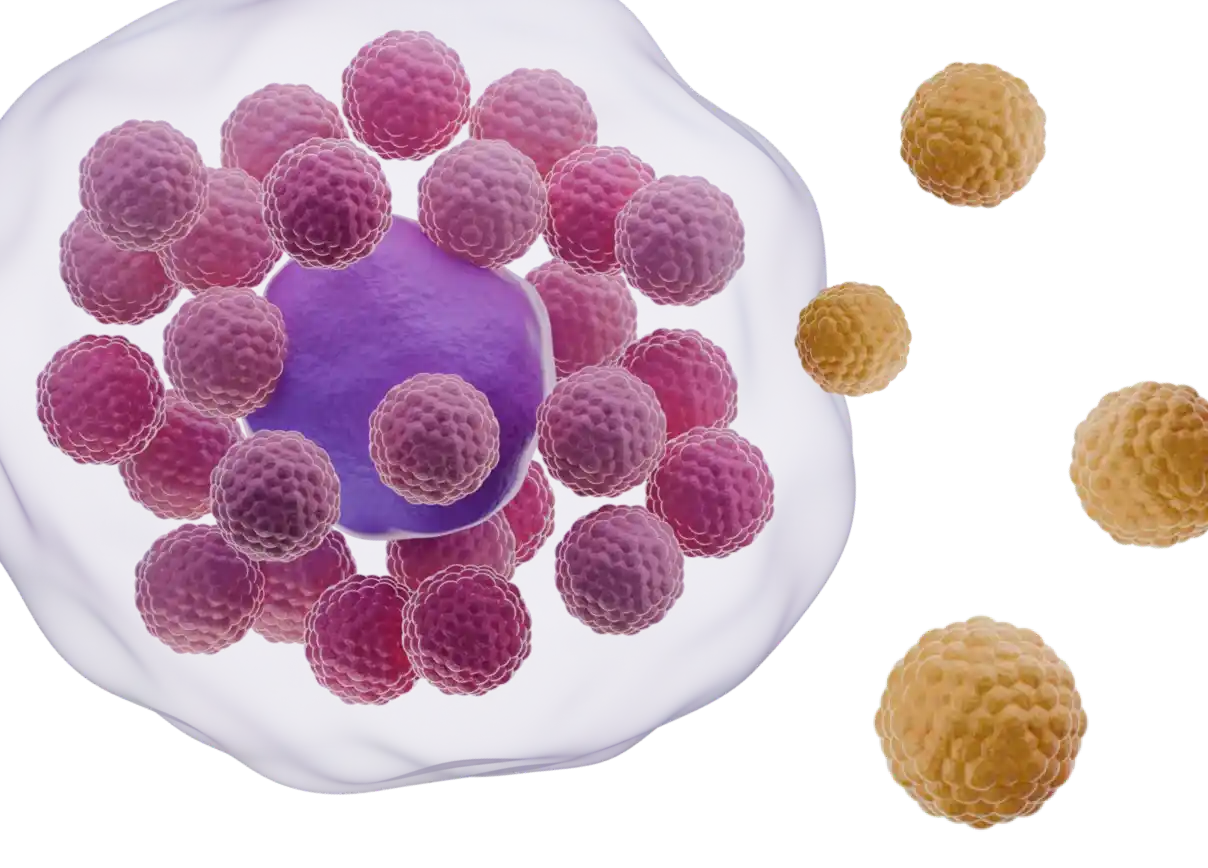
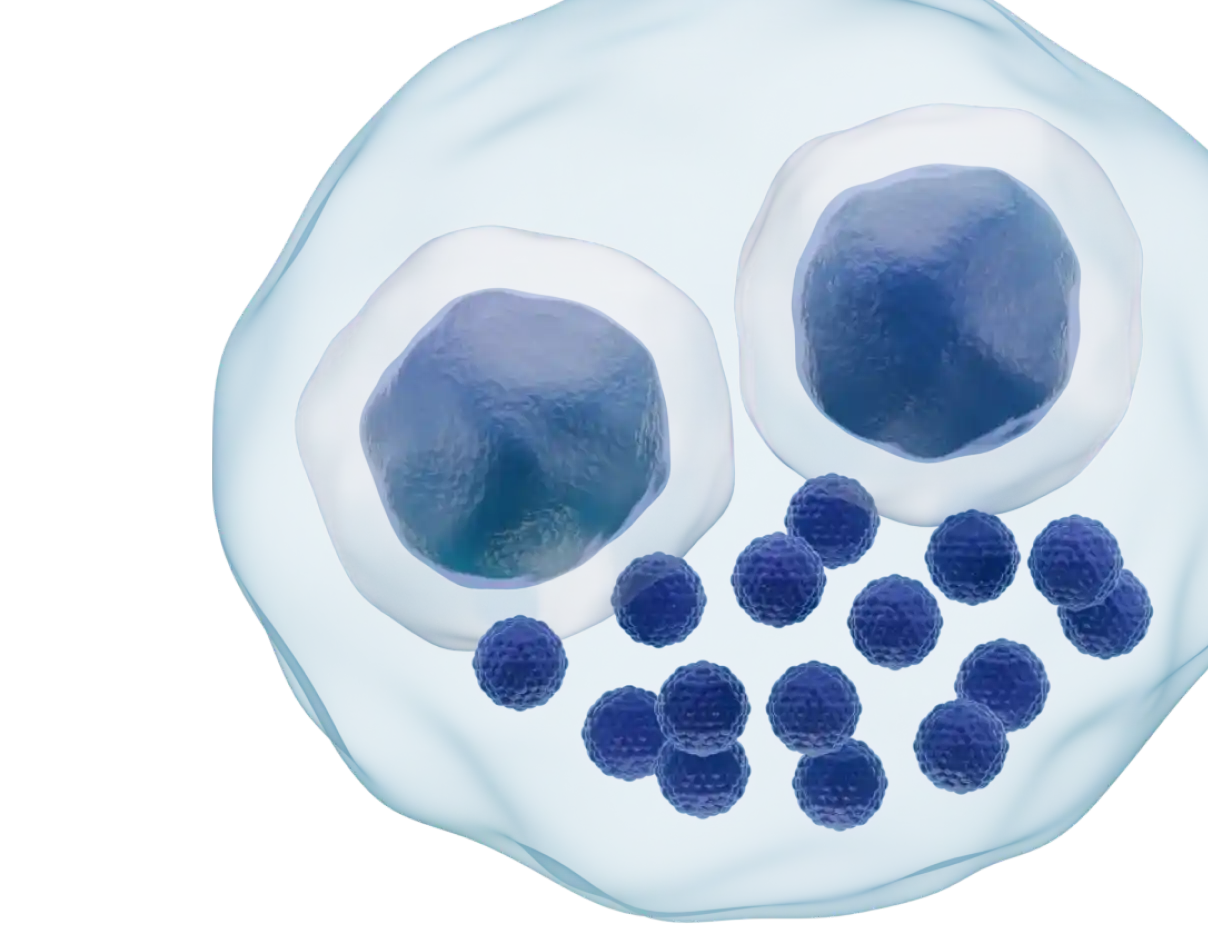
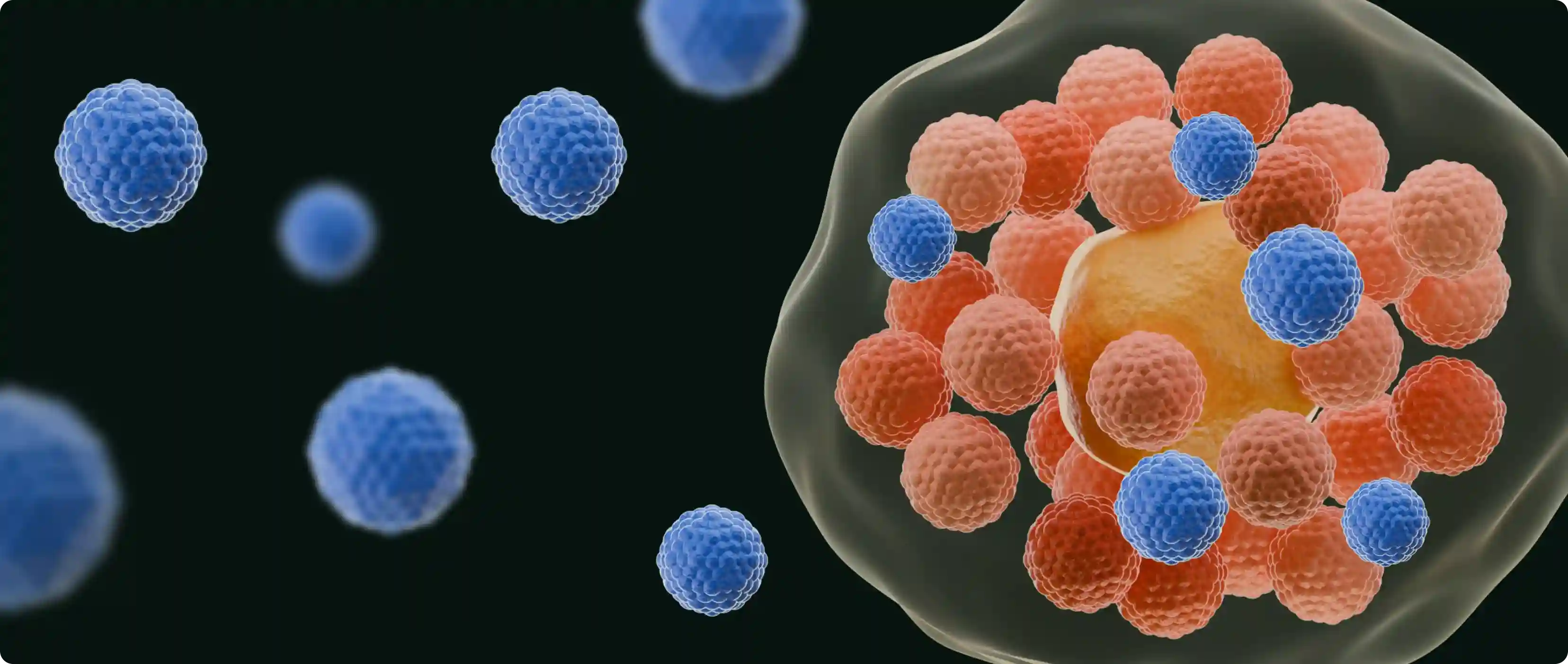
Chlamydia trachomatis is a common bacteria that infects the body during sexual contact causing Chlamydia. It can affect different areas depending on exposure, including the cervix, urethra, rectum, throat, or eyes. Because chlamydia often causes no symptoms, people may carry and transmit the infection without knowing it. Testing is the only reliable way to detect it. Chlamydia is one of the most common sexually transmitted infections and it is treatable.

1.5 M

cases of chlamydia
were officially reported.

Chlamydia

Gonorrhea

Syphilis (3,882 congenital syphilis cases,
includes 279 stillbirths/infant deaths)

0

200

400

600

800

1000

1200

1400

1500

Reported Cases in U.S., 2009 (thousands)

According to the Cleveland Clinic, there are about 1.5 million cases of chlamydia every year. Because many people don't have signs of chlamydia, they may not receive a formal diagnosis. As a result, they're not getting the care they need, leading to the number of chlamydia infections being higher.

How is Chlamydia transmitted?

Someone with the infection who doesn't use a condom can transmit chlamydia through:

  • Vaginal intercourse
  • Anal sex
  • Oral sex
  • Sharing sex toys
  • Touching of the genitals or anus
  • Sexual contact with an infected partner, even if they have no symptoms
  • Transmission from mother to baby during childbirth

What symptoms can Chlamydia cause?

Many people ask, "What does chlamydia look like?" Chlamydia symptoms tend to show up one week to three months after contracting this STI. However, it may take longer for some people. Others may never notice symptoms. This is why it's important to regularly use a chlamydia self-testing test.

If issues do appear, chlamydia symptoms in men and women tend to look different.
Women who have chlamydia may notice:

  • Foul-smelling vaginal discharge that is white, yellow, or gray
  • Needing to pee more often and burning during urination
  • Bleeding in between periods
  • Painful periods and sex
  • Dull pain in the lower abdomen
  • Vaginal itching or burning

Men with chlamydia may experience:

  • Clear, watery discharge from the penis
  • Pain or burning during urination

Chlamydia can also cause problems in other body parts, including the anus, throat, and eyes.

What are the complications when untreated?

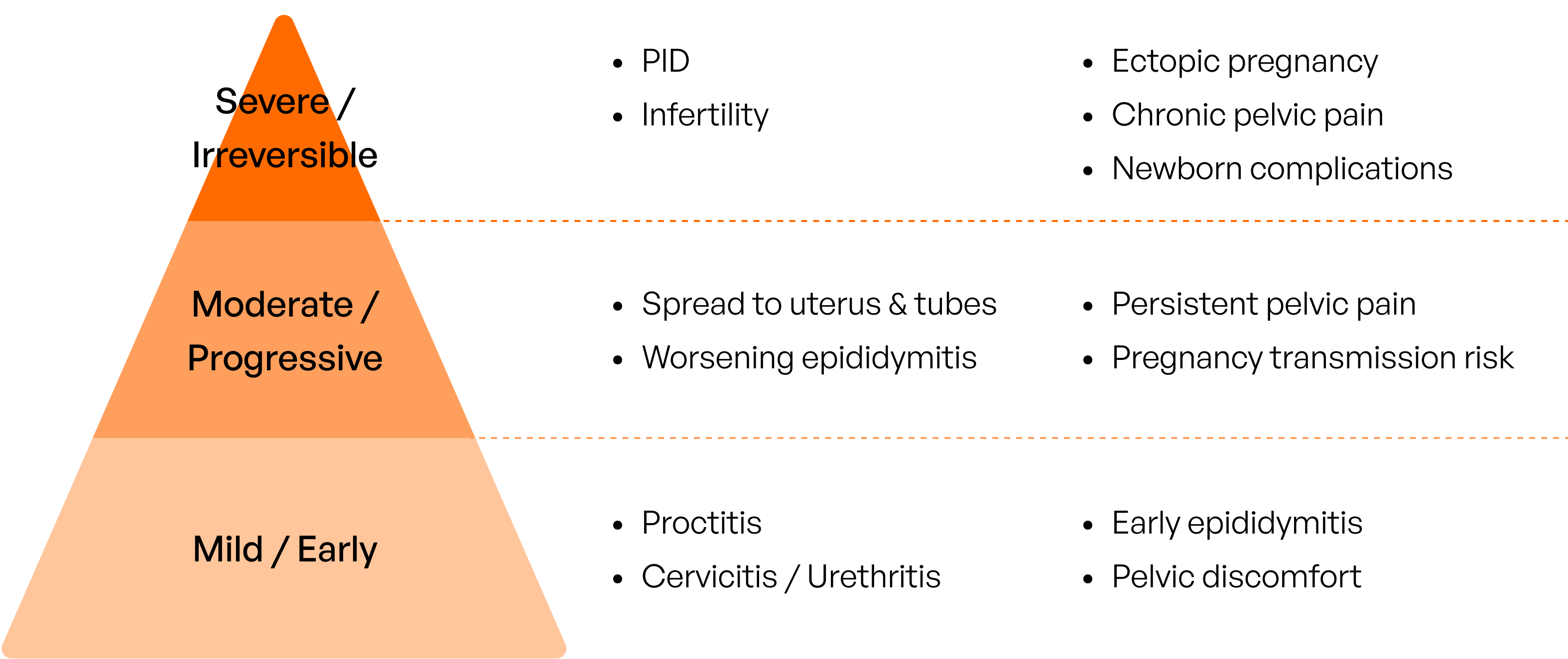
Chlamydia complications pyramid showing progression from Mild/Early to Severe/Irreversible stages

People with this infection don't always have symptoms or signs of chlamydia. However, even without symptoms, untreated chlamydia can cause serious long-term health issues.

The consequences of chlamydia for women include pelvic inflammatory disease (PID). This infection can cause infertility and pelvic pain. In rare cases, untreated chlamydia can cause testicular pain and infertility in men.

When should I get tested for Chlamydia?

Because chlamydia is often symptomless and can cause serious health issues, it's important to regularly take a chlamydia test.

The Centers for Disease Control and Prevention (CDC) offers the following guidelines:

  • Sexually active women under 25 should test annually
  • Women 25 and over with new or multiple partners should test every year
  • At-risk pregnant women should test in early pregnancy
  • Sexually active men who have sex with men should test at least once a year

What are my testing options?

To determine if you need chlamydia treatment, you will need to provide a cell sample. According to the Mayo Clinic, a sample can be collected with:

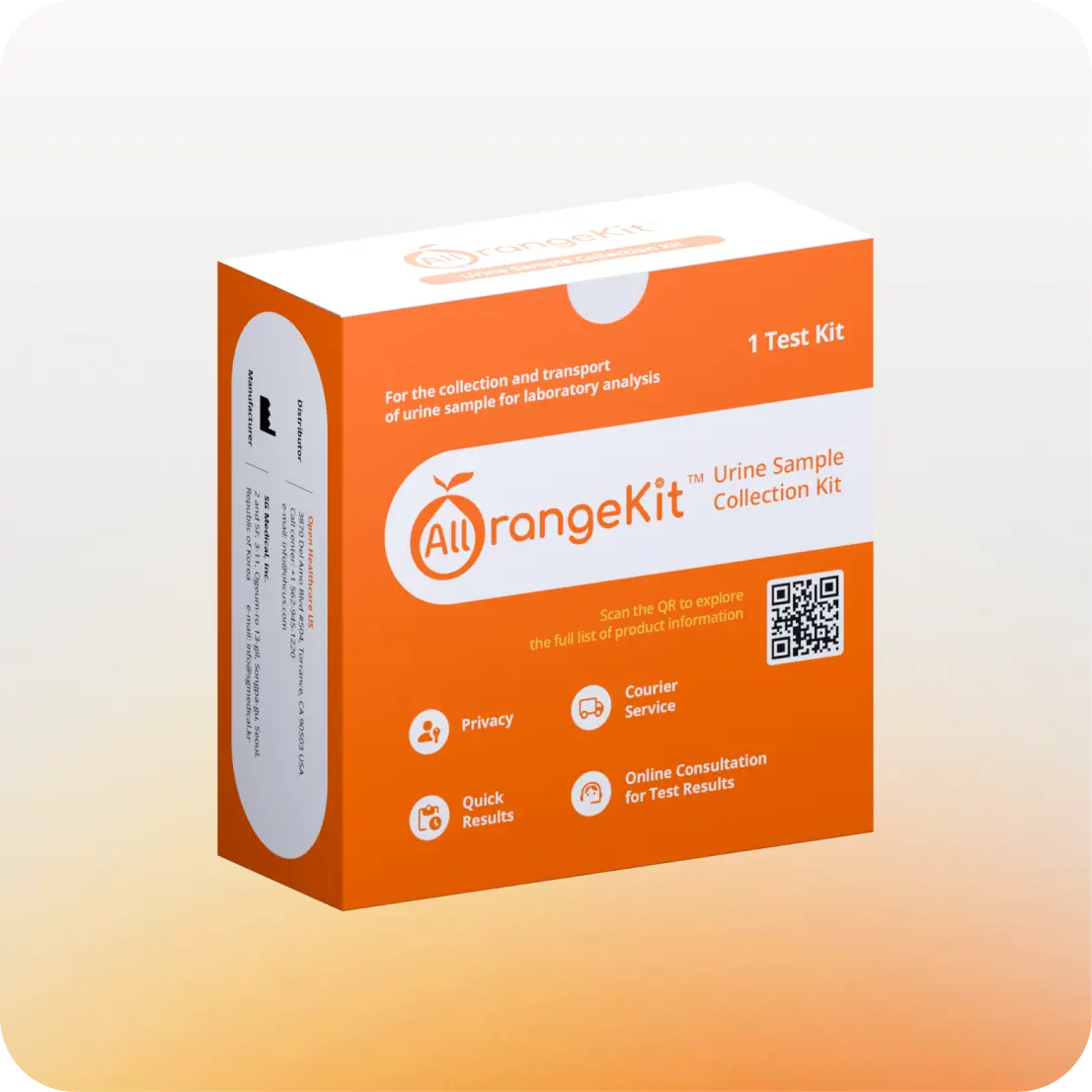
  • A urine sample, which is what we use in the AllrangeKit for chlamydia
  • A swab of the cervix, vagina, throat, or anus

You can have a chlamydia test at a clinic or from the comfort of home. Many people prefer to collect a sample at home and send the at-home collection STI test off for analysis.

AllrangeKit offers discreet chlamydia testing with at-home collection, making it easy to find out if you have chlamydia.

  • Our private and affordable chlamydia at-home collection STI tests just require a urine sample.
  • We offer clear instructions that explain how to collect a sample at home to test for chlamydia.
  • After collecting your sample, you will send it off for testing.
  • We work with CLIA-certified labs that use a Multiplex PCR Test for enhanced accuracy.
  • You'll typically receive your chlamydia test results at home within a week.
  • We can connect you with the appropriate providers for chlamydia treatment, if needed.

How is this bacteria treated?

Chlamydia is a curable sexually transmitted infection, and treatment is typically provided by a licensed healthcare provider after a confirmed diagnosis.

In most cases, healthcare providers prescribe a short course of clinician-recommended antibiotics to clear the infection. The specific medication and treatment plan depend on individual medical factors and should always be determined by a provider who is overseeing your care.

The Cleveland Clinic states that the common antibiotics to cure chlamydia include:

  • Doxycycline
  • Azithromycin

AllrangeKit offers prescription support for Chlamydia trachomatis.

Our role is not only to help you test and receive clear, clinically validated information about your sexual health, but also to support appropriate next steps when treatment is indicated. If your at-home sample collection test returns a positive result for one of the eligible conditions, you may be connected with a licensed clinician for medical evaluation and, when appropriate, prescription treatment.

It is important to follow the clinician's guidance carefully, complete any prescribed medication as directed, and avoid sexual activity until a healthcare professional confirms it is safe to resume.

What should I do next?

  • Follow up with a healthcare provider
  • Complete all prescribed medication
  • Avoid sexual contact until treatment is completed
  • Recent sexual partners may also need testing
  • Additional STI testing may be recommended, as infections can occur together
AllrangeKit™ 13-in-1 Extended STI Test

AllrangeKit™ 13-in-1 Extended STI(STD) Test

$ 109.00

  • Detect major types of sexually transmitted infections (STI): Bacteria, Virus, Parasite
  • 1 Test, 13 Targets: Chlamydia, Gonorrhea, Trichomoniasis, and more
  • Clinically validated, advanced Real-time Multiplex PCR technology
  • Prescription available (additional fee of $30 applies) for Chlamydia, Trichomoniasis, Herpes Type 1 and 2
Free shippingDiscreet packagingFSA/HSA eligible

At AllrangeKit, our at-home collection STD test can provide information about 13 different STIs, including chlamydia. We aim to provide accurate, easy, and secure STD testing for an affordable price, because everyone deserves to learn about their sexual health.

We invite you to buy your AllrangeKit and take control of your health today. Our support team can also answer your questions about our at-home collection test.

Prevention tips

Use condoms

Limit sexual partners

Regular testing

Transparency

Frequently asked questions

No, chlamydia will not go away without treatment.

The AllrangeKit typically provides chlamydia at-home collection test results within a week of the lab receiving the sample.

Yes. It is very common to have chlamydia and not show symptoms.

Yes, chlamydia is contagious through vaginal, anal, and oral sex.

The accuracy of at-home collection STD tests varies. However, AllrangeKit strives to offer accurate results, with help from CLIA-certified labs and Multiplex PCR testing.

Your first step after a positive diagnosis is to reach out to your doctor for chlamydia treatment. At AllrangeKit, we can connect you with a healthcare provider if your test is positive.

Sources

Learn more about other panels we test

View all highlights

Chlamydia trachomatis

Chlamydia

Trichomonas vaginalis

Trichomoniasis

Herpes simplex virus Type 1

Oral herpes

Herpes simplex virus Type 2

Genital herpes

Neisseria gonorrhoeae

Gonorrhea

Treponema pallidum

Syphilis

Mycoplasma genitalium

NGU

Mycoplasma hominis

Vaginitis

Ureaplasma urealyticum

Urethritis

Ureaplasma parvum

NGU

Lymphogranuloma venereum

LGV

Haemophilus ducreyi

Chancroid

Cytomegalovirus

CMV infection

Uncertainty doesn't have to last.

Get started