





Herpes simplex virus Type 1

Knowledge is power when it comes to herpes simplex virus type 1 (HSV-1). Understanding how it spreads can protect you and others.
Learning your status from an at-home collection herpes test is also important.

Read on to learn more about HSV-1.

Herpes simplex virus Type 1 information

Clarity begins with testing.

At-home testing with secure, clinician-reviewed results.

What is Herpes simplex virus Type 1?

Herpes HSV-1 is also known as oral herpes (also called cold sores). However, it is possible to have HSV-1 on the genitals, as seen in HSV-2. This infection is very common. According to Johns Hopkins Medicine, 50% to 80% of U.S. adults have HSV-1.

HSV-1 is a virus that commonly affects the mouth and lips, but it can also infect the genital area through oral-genital contact. After initial infection, the virus remains inactive (dormant) in the body and may reactivate from time to time. Some people experience noticeable symptoms, while others never develop symptoms. Appropriate treatment can help reduce the frequency and severity of outbreaks and support symptom management.

How is HSV-1 transmitted?

Many people ask, "How is HSV-1 transmitted?" Both HSV-1 and HSV-2 spread through intimate person-to-person contact. HSV-2 spreads through vaginal, anal, or oral sex. In contrast, HSV-1 spreads through:

Kissing

Skin-to-Skin

Saliva

  • Kissing a person with HSV-1
  • Oral sex with an infected person
  • Using items like utensils or lip balm from someone with HSV-1

Additionally, a mother can spread herpes to her baby if the virus is active during childbirth.

You can avoid these HSV-1 infection risks through safe sex and not sharing objects like lip care products and utensils.

What symptoms can oral herpes cause?

HSV-1 comes with distinctive herpes signs and symptoms. Typically, herpes HSV-1 symptoms in females and males are similar. Oral herpes symptoms include mouth blisters.

  • These blisters can appear on the lips or around the mouth.
  • Tingling, itching, or burning can occur up to 48 hours before blisters appear.

If HSV-1 is present on or around the genitals, that is where the blisters will appear. Fever, headache, and swollen lymph nodes can also occur.

Stages of HSV-1 infection

Herpes HSV-1 is an infection that goes through three stages. These stages include the following:

  • Primary infection stage

    This is when the virus first enters your body and starts replicating in the nerve cells of the mouth or genitals.

  • Latency stage

    Occurs within a few weeks. At this point, the primary infection is gone, but HSV-1 is still in your nerve cells. The virus is "sleeping" at this time.

  • Reactivation stage

    This is when the infected cells wake up to trigger an immune response. This could look like asymptomatic viral shedding or a symptomatic herpes outbreak. You are contagious in both situations.

1. Primary Infection Stage

  • First Entry
  • Virus Multiplication

2. Latency Stage

Z
Z
Z
Z
Z
Z
  • Hidden (Dormant)
  • Permanent Presence

3. Reactivation Stage

  • Trigger → Virus Travel
  • Contagious

What are the complications when untreated?

Without treatment, HSV-1 outbreaks can be uncomfortable. However, in rare cases, HSV-1 complications can occur, especially in immunocompromised individuals.

According to the World Health Organization (WHO), these HSV-1 complications may include:

  • Encephalitis, or a brain infection
  • Keratitis, or an eye infection
  • Passing along neonatal herpes to newborns, which can be deadly

When should I get tested for HSV-1?

The Centers for Disease Control and Prevention (CDC) provides guidance on how often to get a herpes test, such as an at-home HSV-1 collection test. In general, most people without symptoms don't need to test for HSV-1 herpes.

However, HSV-1 herpes testing might be helpful in the following situations:

  • You have symptoms that could be herpes
  • You kissed or had oral sex with someone with HSV-1

What are my testing options?

If you suspect you have herpes, you likely want to learn more about how to get a herpes diagnosis. You can visit a clinic or take an at-home collection herpes test. Many people prefer the privacy and convenience of an at-home collection herpes test kit. These tests allow you to provide a sample privately and receive HSV-1 test results at home.

Depending on the type of test you take, you will provide one of the following samples:

  • A swab from an active sore
  • A urine sample
  • A blood sample

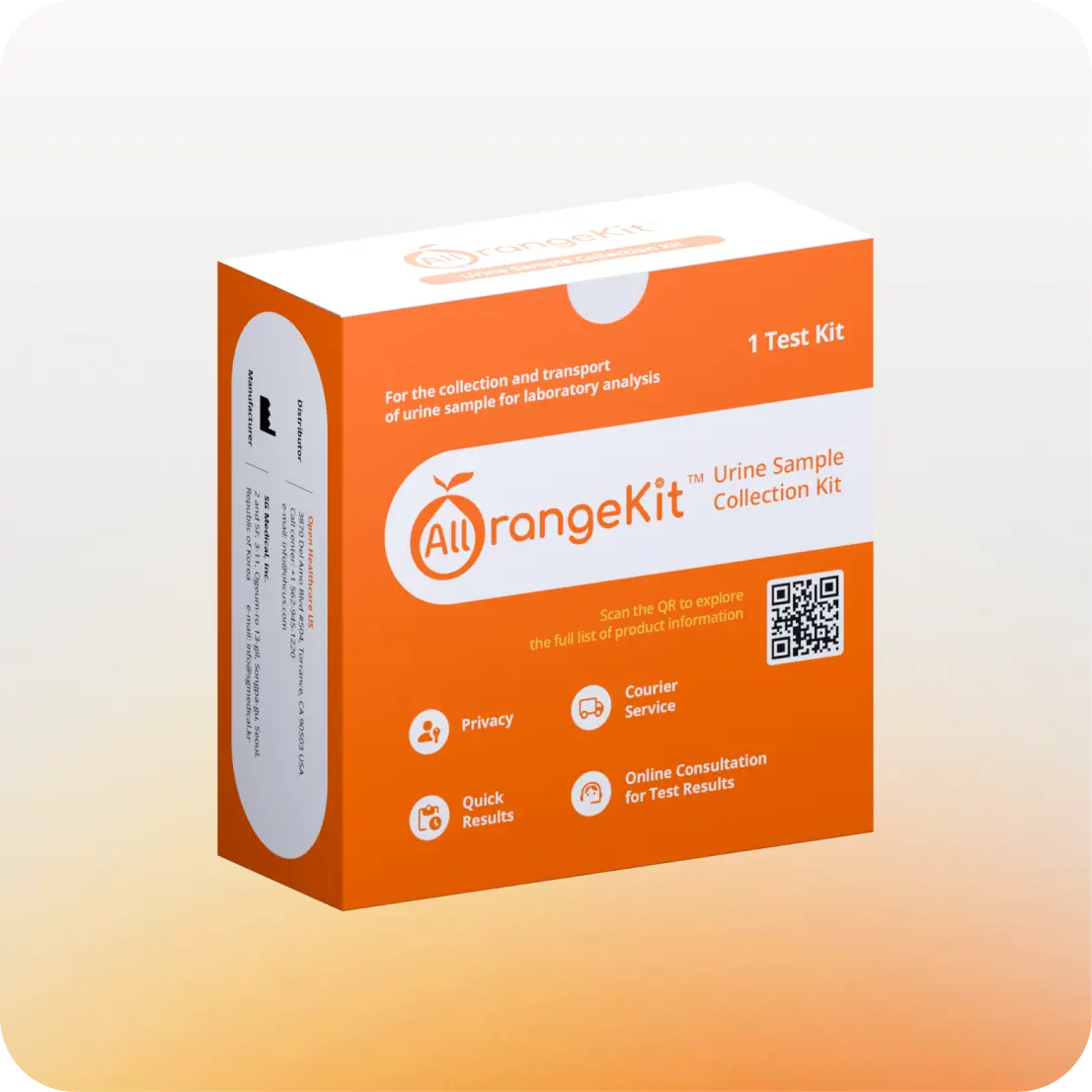
AllrangeKit offers discreet, private, and easy herpes testing options. Using just a urine sample, we can provide information about herpes HSV-1 and 12 other STIs. Our HSV-1 test works as follows:

  • You'll review your HSV-1 test, including instructions that explain how to test for herpes at home.
  • After providing and sending your urine sample, a CLIA-certified lab will test it using advanced Multiplex PCR testing.
  • Finally, you'll receive the results of your HSV-1 at-home collection STD test within about a week of the lab receiving your sample.

How is this virus treated?

Your first step after receiving a positive HSV-1 result is to explore your treatment options with AllrangeKit. You may connect with a licensed clinician who can review your results, discuss appropriate treatments for managing outbreaks.

Here is a closer look at these two types of herpes medications:

  • Episodic therapy is used during an outbreak to reduce symptoms and speed up healing.
  • Chronic suppressive therapy is for long-term use to prevent outbreaks and protect partners.

AllrangeKit offers prescription support for HSV-1.

Our role is not only to help you test and receive clear, clinically validated information about your sexual health, but also to support appropriate next steps when treatment is indicated. If your at-home sample collection test returns a positive result for one of the eligible conditions, you may be connected with a licensed clinician for medical evaluation and, when appropriate, prescription treatment.

It is important to follow the clinician's guidance carefully, complete any prescribed medication as directed, and avoid sexual activity until a healthcare professional confirms it is safe to resume.

What should I do next?

  • Follow up with a healthcare provider
  • Be aware of early symptoms (such as tingling or itching) that may signal an outbreak
  • Avoid sexual contact during active outbreaks
  • Consider additional STI testing, as infections can occur together
AllrangeKit™ 13-in-1 Extended STI Test

AllrangeKit™ 13-in-1 Extended STI(STD) Test

$ 109.00

  • Detect major types of sexually transmitted infections (STI): Bacteria, Virus, Parasite
  • 1 Test, 13 Targets: Chlamydia, Gonorrhea, Trichomoniasis, and more
  • Clinically validated, advanced Real-time Multiplex PCR technology
  • Prescription available (additional fee of $30 applies) for Chlamydia, Trichomoniasis, Herpes Type 1 and 2
Free shippingDiscreet packagingFSA/HSA eligible

At AllrangeKit, our at-home collection STD test can provide information about 13 different STIs, including HSV-1. We aim to provide accurate, easy, and secure STD testing for an affordable price, because everyone deserves to learn about their sexual health.

We invite you to buy your AllrangeKit and take control of your health today. Our support team can also answer your questions about our at-home collection test.

Prevention tips

Use condoms

Limit sexual partners

Regular testing

Transparency

Frequently asked questions

Yes, HSV-1 can spread when you don't have symptoms. This is called asymptomatic shedding.

Yes, cold sores are caused by HSV-1.

No, there is no cure for HSV-1. However, treatment can reduce the number of outbreaks and the chance of spreading it.

Yes. You can test for herpes at home. This is excellent news for people asking, "Is there an at-home herpes test?"

The accuracy of home herpes tests is generally reasonable. With the AllrangeKit, we send our tests to CLIA-certified labs that use Multiplex PCR testing to enhance accuracy.

The herpes simplex virus type 1 causes HSV-1. It can spread through kissing or oral sex.

Sources

Learn more about other panels we test

View all highlights

Chlamydia trachomatis

Chlamydia

Trichomonas vaginalis

Trichomoniasis

Herpes simplex virus Type 1

Oral herpes

Herpes simplex virus Type 2

Genital herpes

Neisseria gonorrhoeae

Gonorrhea

Treponema pallidum

Syphilis

Mycoplasma genitalium

NGU

Mycoplasma hominis

Vaginitis

Ureaplasma urealyticum

Urethritis

Ureaplasma parvum

NGU

Lymphogranuloma venereum

LGV

Haemophilus ducreyi

Chancroid

Cytomegalovirus

CMV infection

Uncertainty doesn't have to last.

Get started