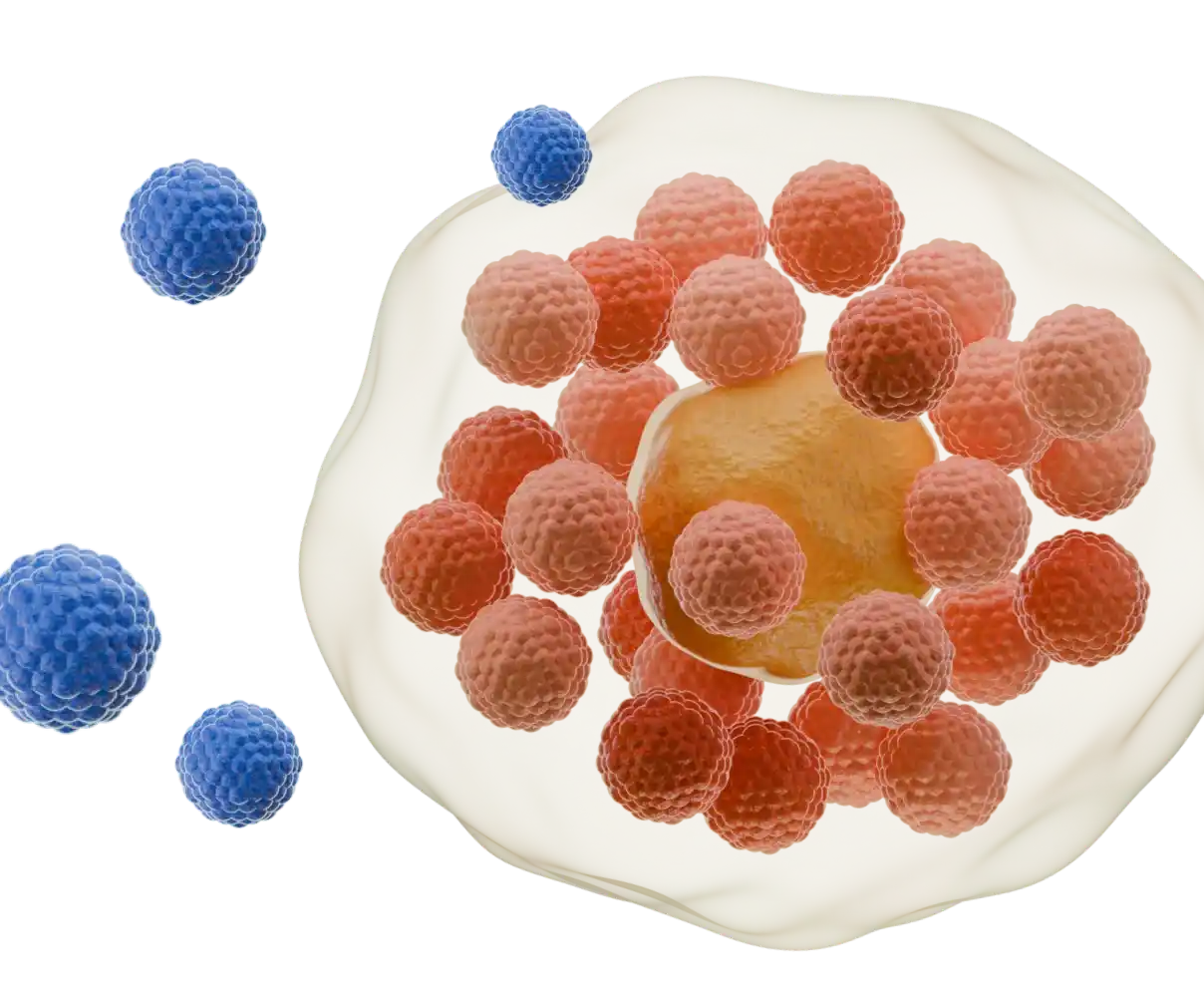
Neisseria gonorrhoeae

CausesGonorrhea

Gonorrhea is a common and treatable sexually transmitted infection (STI).
However, not everyone has symptoms, making it easy to miss.

Read on to find out what you need to know about this infection.

Neisseria gonorrhoeae information

Clarity begins with testing.

At-home testing with secure, clinician-reviewed results.

What is Neisseria gonorrhoeae?

Gonorrhea is a bacterial infection that is transmitted through sexual activity or during childbirth. According to the Cleveland Clinic, other names for gonorrhea include "the clap or drip."

After chlamydia, gonorrhea is the most common bacterial STI. The Cleveland Clinic states that the United States sees 1 million new gonorrhea cases every year. People aged 15 to 24 make up about half of these cases.

How is gonorrhea transmitted?

People commonly ask, "How do you get gonorrhea?" This infection most commonly spreads through exposure to vaginal fluid and semen. As a result, you can contract or spread gonorrhea through:

  • Vaginal intercourse
  • Anal sex
  • Oral sex
  • Sharing sex toys
  • Childbirth

Using protections like condoms or dental dams can help protect you from this and other STIs.

What symptoms can gonorrhea cause?

Another common question is "What does gonorrhea look like?" For some people, there are no symptoms of gonorrhea. However, others can experience different symptoms depending on the area of infection. Gonorrhea in men and women also tends to look different.

Gonorrhea symptoms in women may include:

  • Unusual vaginal discharge
  • Painful sex and/or urination
  • Pelvic discomfort
  • Bleeding between periods
  • Pain in the lower abdomen

Men with gonorrhea symptoms may deal with:

  • White, yellow, or green discharge from the penis
  • Swollen and painful testicles
  • Pain or burning during urination

Rectal infection may cause discomfort, discharge, or itching, though many cases are asymptomatic. Throat infections are often mild or silent but can include soreness or irritation.

What are the complications when untreated?

Gonorrhea is curable with appropriate treatment. Timely treatment is essential to prevent complications. If left untreated, gonorrhea can cause significant health consequences, including:

  • Pelvic inflammatory disease (PID)
  • Chronic pelvic pain
  • Infertility in individuals with a cervix
  • Pain and potential infertility in men
  • Transmission to a newborn during childbirth
  • Infection to the bloodstream or joints
  • Increased risk of coexisting STI

Men with gonorrhea symptoms may deal with:

  • White, yellow, or green discharge from the penis
  • Swollen and painful testicles
  • Pain or burning during urination

When to get tested for gonorrhea

Both asymptomatic and symptomatic gonorrhea can have serious health consequences. As a result, you should regularly use a gonorrhea at-home collection test. So, how often should you test for gonorrhea?

According to the Centers for Disease Control (CDC), the following groups should test for gonorrhea at least every year:

  • All sexually active women younger than 25
  • Women aged 25 and over who have multiple or new partners
  • Sexually active men who have sex with men
  • At-risk pregnant women should also test for both gonorrhea and chlamydia in early pregnancy

What are my testing options?

STI testing can help you find out if you need gonorrhea treatment with antibiotics. You can visit a clinic or use one of the affordable gonorrhea at-home collection tests. Depending on the option you choose, you can expect to do one of the following:

  • Provide a urine sample, which is common for a gonorrhea diagnosis at home
  • Have a cervix, throat, or rectum swab
  • Have fluid from the penis taken

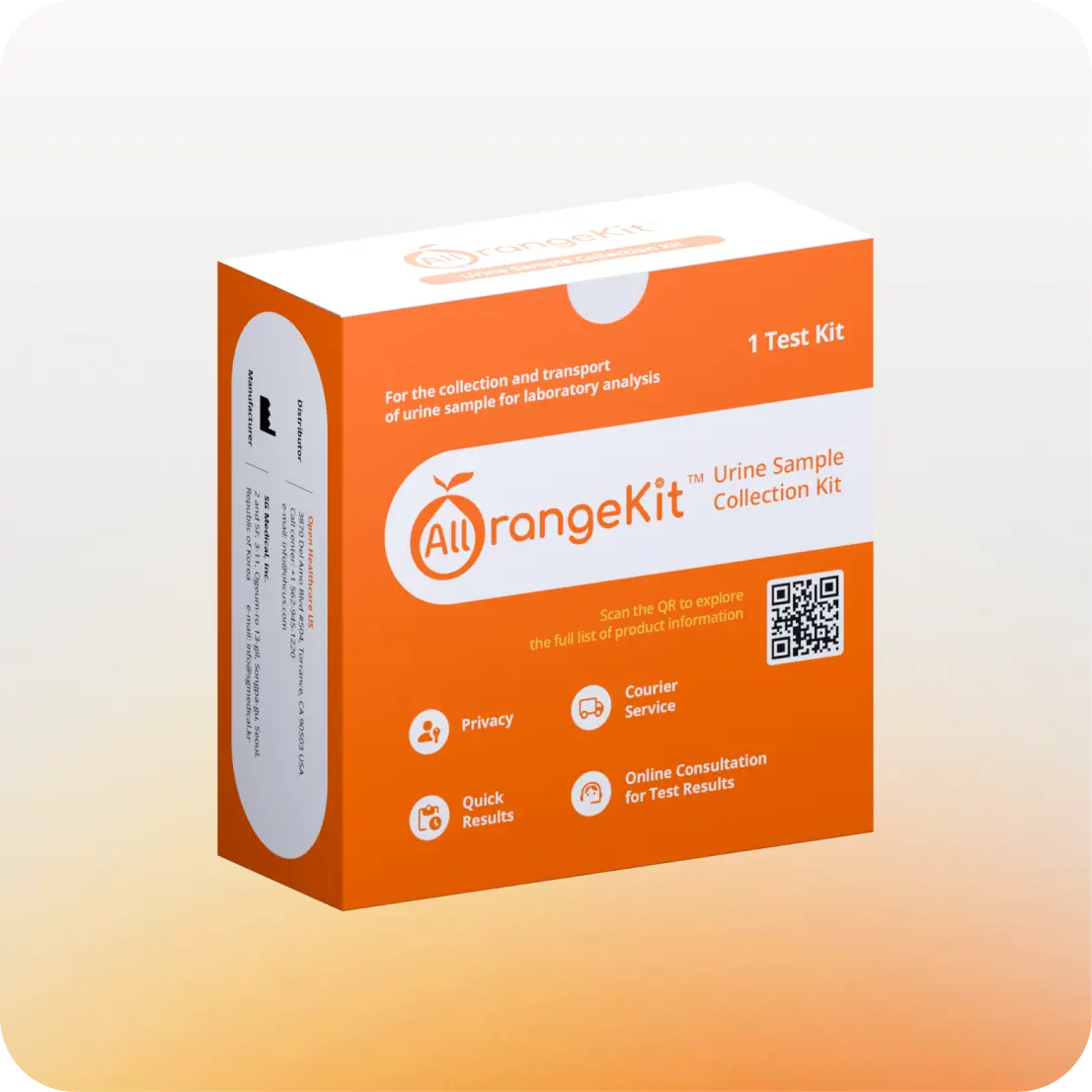
AllrangeKit offers an affordable and discreet way to test for gonorrhea and 12 other STIs. The following steps can help you find out whether you need gonorrhea treatment.

  • Review our at-home collection STD test for gonorrhea. The test includes clear instructions that explain how to test for gonorrhea at home.
  • Provide a urine sample and send it to a CLIA-certified lab for testing. These labs use Multiplex PCR testing to increase accuracy.
  • Within a week of the lab receiving your sample, receive your secure gonorrhea test results at home.

How is this bacteria treated?

Many people wonder what to do after a positive gonorrhea test. The next step is taking gonorrhea medications.

The most common antibiotic for gonorrhea is one shot of ceftriaxone. Other gonorrhea antibiotics are available if you are allergic to ceftriaxone.

AllrangeKit does not provide treatment or prescribe medications. Our role is to help you test and get clear information about your sexual health. If your at-home collection STD test shows a positive result, we can help connect you with a licensed clinician who can discuss appropriate next steps for care. Be sure to follow your provider's instructions closely and avoid sexual activity until a healthcare professional confirms it is safe to resume.

What should I do next?

  • Follow up with a healthcare provider
  • Complete all prescribed medication
  • Avoid sexual contact until treatment is completed
  • Recent sexual partners may also need testing
  • Additional STI testing may be recommended, as infections can occur together
AllrangeKit™ 13-in-1 Extended STI Test

AllrangeKit™ 13-in-1 Extended STI(STD) Test

$ 109.00

  • Detect major types of sexually transmitted infections (STI): Bacteria, Virus, Parasite
  • 1 Test, 13 Targets: Chlamydia, Gonorrhea, Trichomoniasis, and more
  • Clinically validated, advanced Real-time Multiplex PCR technology
  • Prescription available (additional fee of $30 applies) for Chlamydia, Trichomoniasis, Herpes Type 1 and 2
Free shippingDiscreet packagingFSA/HSA eligible

At AllrangeKit, our at-home collection STD test can provide information about 13 different STIs, including gonorrhea. We aim to provide accurate, easy, and secure STD testing for an affordable price, because everyone deserves to learn about their sexual health.

We invite you to buy your AllrangeKit and take control of your health today. Our support team can also answer your questions about our at-home collection test.

Prevention tips

Use condoms

Limit sexual partners

Regular testing

Transparency

Frequently asked questions

Yes, many people have no signs of gonorrhea. However, gonorrhea treatment is still important, even for asymptomatic cases.

If someone has gonorrhea symptoms, they will start experiencing them within two weeks.

Gonorrhea can easily spread through oral, anal, and vaginal sex, as well as during childbirth.

AllrangeKit strives to offer accurate gonorrhea test results. It's possible through our partnership with CLIA-certified labs that use advanced Multiplex PCR testing.

Yes, untreated gonorrhea can cause both male and female infertility in the long term.

Gonorrhea causes include all types of unprotected sex (vaginal, oral, and anal) with an infected person. Mothers can also transmit gonorrhea to their babies during childbirth.

Sources

Learn more about other panels we test

View all highlights

Chlamydia trachomatis

Chlamydia

Trichomonas vaginalis

Trichomoniasis

Herpes simplex virus Type 1

Oral herpes

Herpes simplex virus Type 2

Genital herpes

Neisseria gonorrhoeae

Gonorrhea

Treponema pallidum

Syphilis

Mycoplasma genitalium

NGU

Mycoplasma hominis

Vaginitis

Ureaplasma urealyticum

Urethritis

Ureaplasma parvum

NGU

Lymphogranuloma venereum

LGV

Haemophilus ducreyi

Chancroid

Cytomegalovirus

CMV infection

Uncertainty doesn't have to last.

Get started