Ureaplasma urealyticum

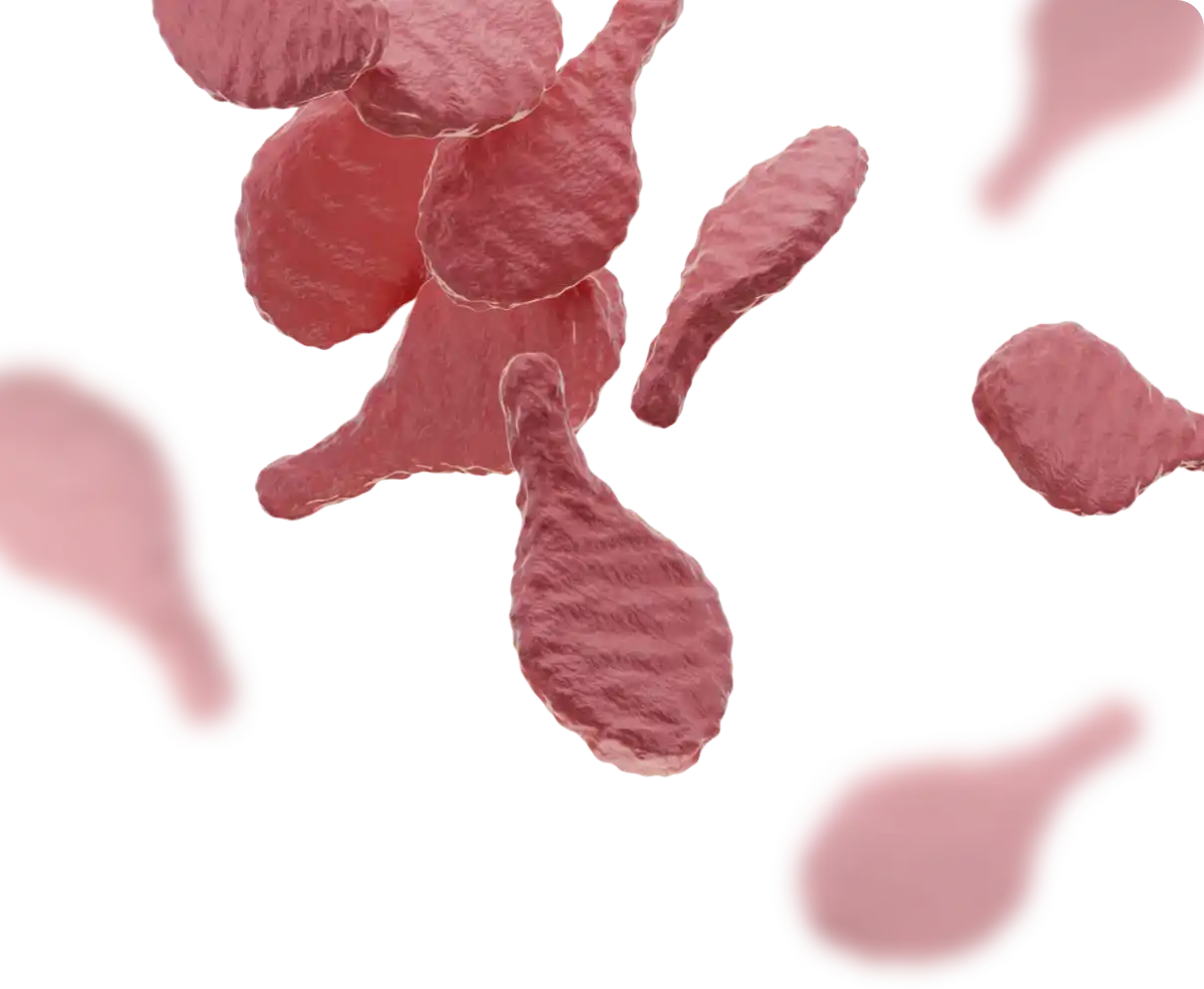
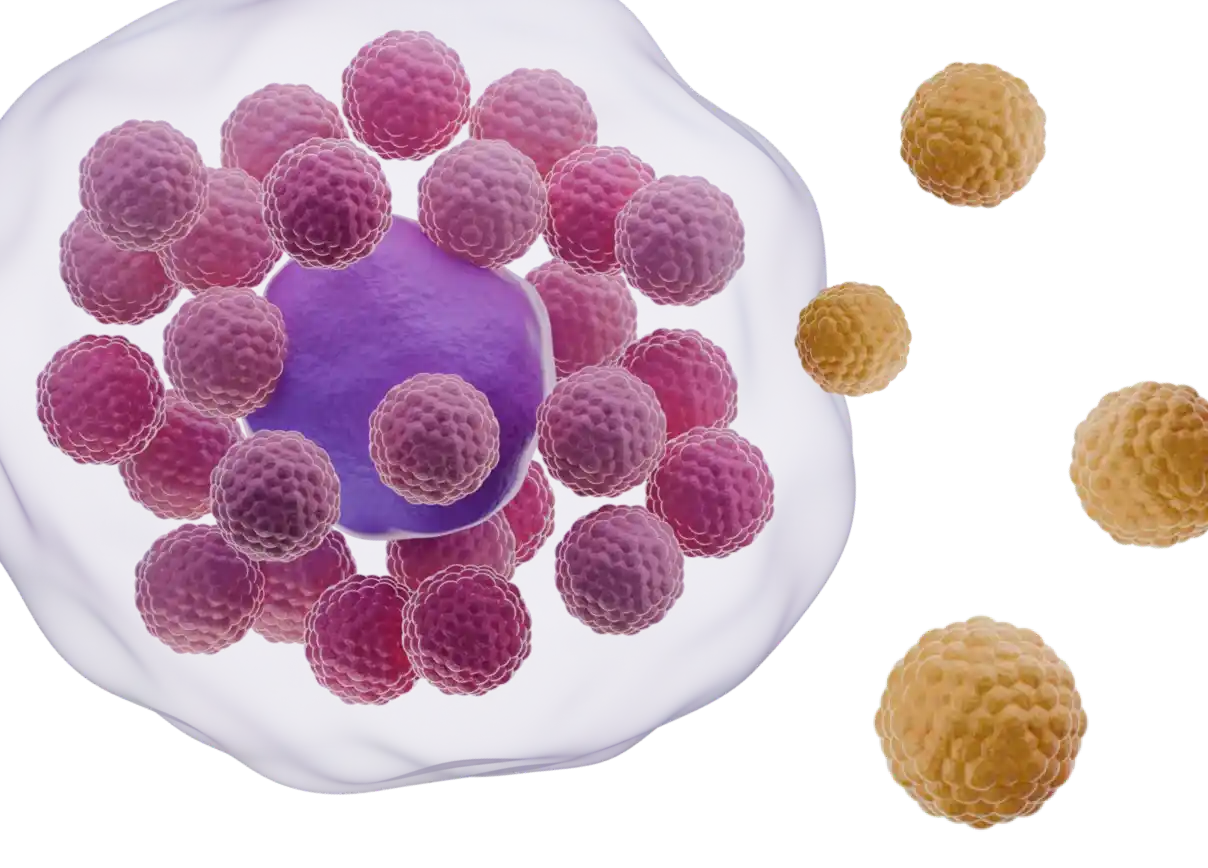
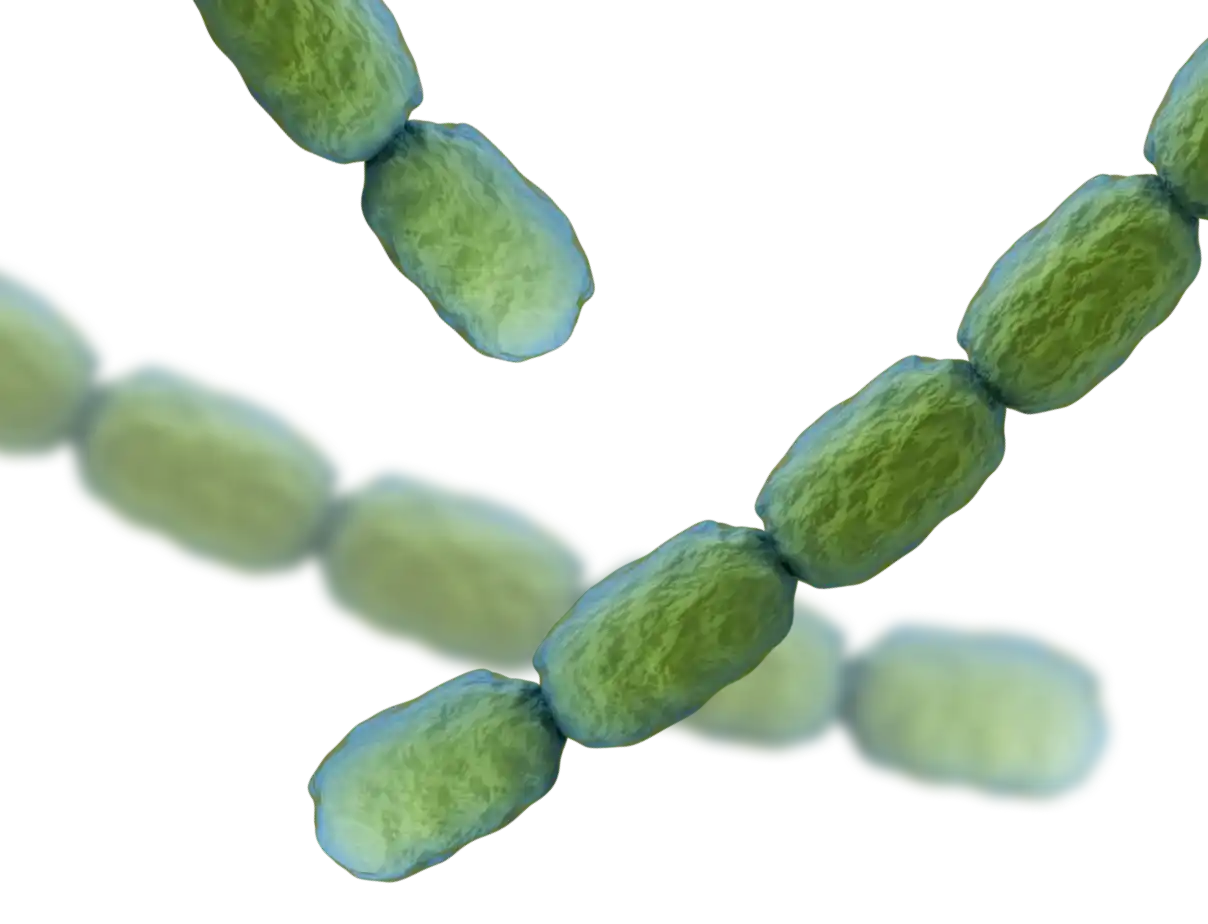
A tiny bacterium without a cell wall is responsible for Ureaplasma urealyticum.
This sexually transmitted infection (STI) can cause uncomfortable symptoms and even fertility issues.

Read on to learn about causes, symptoms, and testing options.

Ureaplasma urealyticum information

Clarity begins with testing.

At-home testing with secure, clinician-reviewed results.

What is Ureaplasma urealyticum?

Ureaplasma urealyticum (Uu) can be present in the genital or urinary tract in people who feel completely well.

Ureaplasma is a very small type of bacteria that can live in the genital and urinary tract. In many sexually active individuals, it may be present as part of the normal genital microbiome (colonization) without causing symptoms or health problems. Because it can be present without causing illness, the clinical significance of a positive result often depends on whether symptoms are present and more common causes of symptoms have been evaluated.

Ureaplasma urealyticum is related to Ureaplasma parvum. Both belong to the Ureaplasma genus and the Mycoplasmaceae family. Despite these similarities, these infections are different.

According to Bangkok Safe Clinic, Ureaplasma urealyticum infection is less common than Ureaplasma parvum.

  • Ureaplasma parvum makes up 65% to 85% of positive Ureaplasma cases.
  • In contrast, Ureaplasma urealyticum accounts for only 15% to 35% of cases.

However, Ureaplasma urealyticum is more likely to cause problems in the reproductive system.

How is Ureaplasma transmitted?

As an STI, Ureaplasma spreads through unprotected vaginal, anal, and oral sex. This means using protection like condoms and dental dams is very important.

Also, a mother with an untreated Ureaplasma infection can pass it to her infant during childbirth.

What symptoms can Ureaplasma cause?

Both men and women with a Ureaplasma infection can have symptoms. These problems tend to affect the reproductive and urinary systems.

Below are some common Ureaplasma urealyticum symptoms:

  • Ureaplasma can cause pelvic pain
  • Painful urination is possible among those with Ureaplasma urealyticum
  • Ureaplasma can cause abnormal discharge or spotting
  • A Ureaplasma diagnosis can also cause urethritis (swelling of the urethra)

Another Ureaplasma complication is possible infertility in men and women. According to Bangkok Safe Clinic, the following reproductive issues can occur:

  • Women may experience pelvic inflammatory disease (PID), inflammation of the uterine lining, and tubal disease
  • Men may experience lower sperm quality, including poorer sperm movement and shape

The Government of Canada also states that Ureaplasma can cause stillbirth or premature delivery. Ureaplasma urealyticum can also cause complications in infants, such as pneumonia.

What are my testing options?

Ureaplasma urealyticum testing can help determine whether you have this infection. You have two main options when you want to take a Ureaplasma screening test:

  • A Ureaplasma lab test requires you to go to a clinic to provide a sample
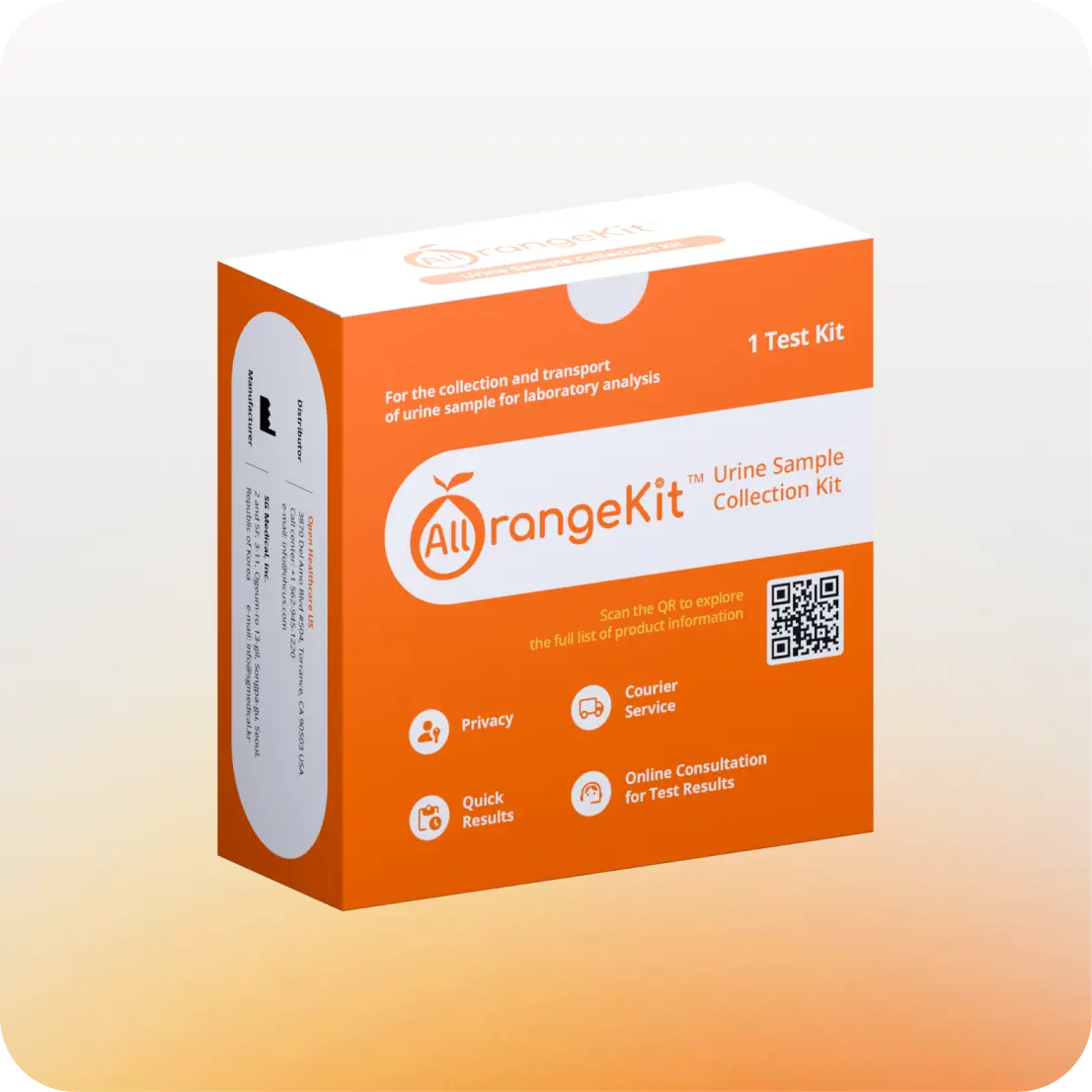
  • An at-home collection STD test for Ureaplasma, like the one from AllrangeKit

Many people select a Ureaplasma at-home collection STD test because it can offer greater privacy and comfort.

People order a Ureaplasma test from AllrangeKit so they can collect their sample at home.

These user-friendly steps can help you get the information you need about this STI:

  • Buy your 13-in-1 at-home collection STD test with Ureaplasma testing.
  • Provide a urine sample after waking up in the morning.
  • Register for testing services and send your sample to a CLIA-certified lab.
  • Review your test results in the AllrangeKit App.
  • Reach out if you want to ask a clinician questions.

We strive to offer enhanced accuracy, so we partner with CLIA-certified labs that use advanced PCR Multiplex Testing. Additionally, we comply with HIPAA to protect your medical information.

What should I do next?

  • Follow up with a healthcare provider
  • Complete all prescribed medication
  • Avoid sexual contact until treatment is completed
  • Recent sexual partners may also need testing
  • Additional STI testing may be recommended, as infections can occur together
AllrangeKit™ 13-in-1 Extended STI Test

AllrangeKit™ 13-in-1 Extended STI(STD) Test

$ 109.00

  • Detect major types of sexually transmitted infections (STI): Bacteria, Virus, Parasite
  • 1 Test, 13 Targets: Chlamydia, Gonorrhea, Trichomoniasis, and more
  • Clinically validated, advanced Real-time Multiplex PCR technology
  • Prescription available (additional fee of $30 applies) for Chlamydia, Trichomoniasis, Herpes Type 1 and 2
Free shippingDiscreet packagingFSA/HSA eligible

At AllrangeKit, our at-home collection STD test can provide information about 13 different STIs, including Ureaplasma urealyticum. We aim to provide accurate, easy, and secure STD testing for an affordable price, because everyone deserves to learn about their sexual health.

We invite you to buy your AllrangeKit and take control of your health today. Our support team can also answer your questions about our at-home collection test.

Prevention tips

Use condoms

Limit sexual partners

Regular testing

Transparency

Frequently asked questions

Yes, Ureaplasma urealyticum is an STD that can spread through unprotected oral, anal, or vaginal sex. It can also spread from mother to child during childbirth.

We recommend testing for Ureaplasma if you have symptoms of the infection. It is also wise to test if your partner has a positive Ureaplasma STD test result.

No, you don't need a prescription to order a Ureaplasma diagnostic test from AllrangeKit.

Sources

Learn more about other panels we test

View all highlights

Chlamydia trachomatis

Chlamydia

Trichomonas vaginalis

Trichomoniasis

Herpes simplex virus Type 1

Oral herpes

Herpes simplex virus Type 2

Genital herpes

Neisseria gonorrhoeae

Gonorrhea

Treponema pallidum

Syphilis

Mycoplasma genitalium

NGU

Mycoplasma hominis

Vaginitis

Ureaplasma urealyticum

Urethritis

Ureaplasma parvum

NGU

Lymphogranuloma venereum

LGV

Haemophilus ducreyi

Chancroid

Cytomegalovirus

CMV infection

Uncertainty doesn't have to last.

Get started