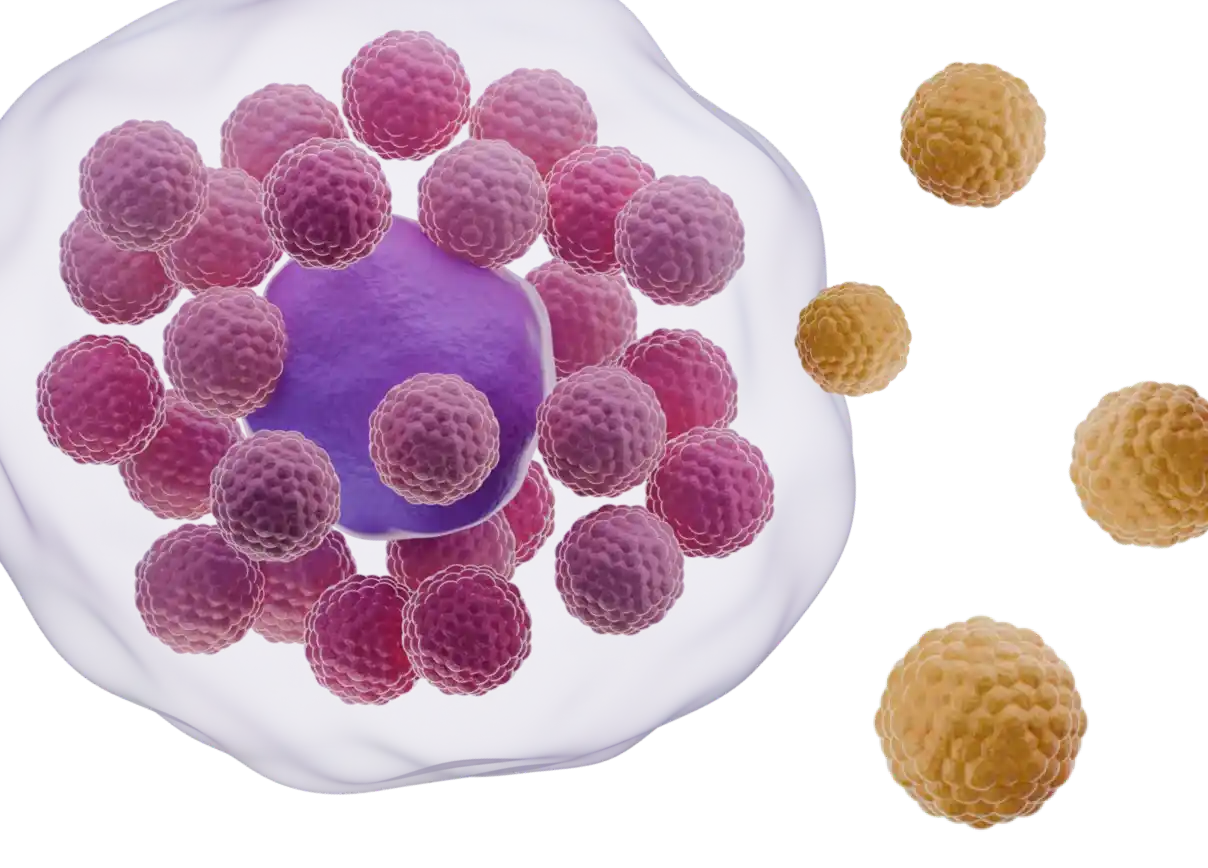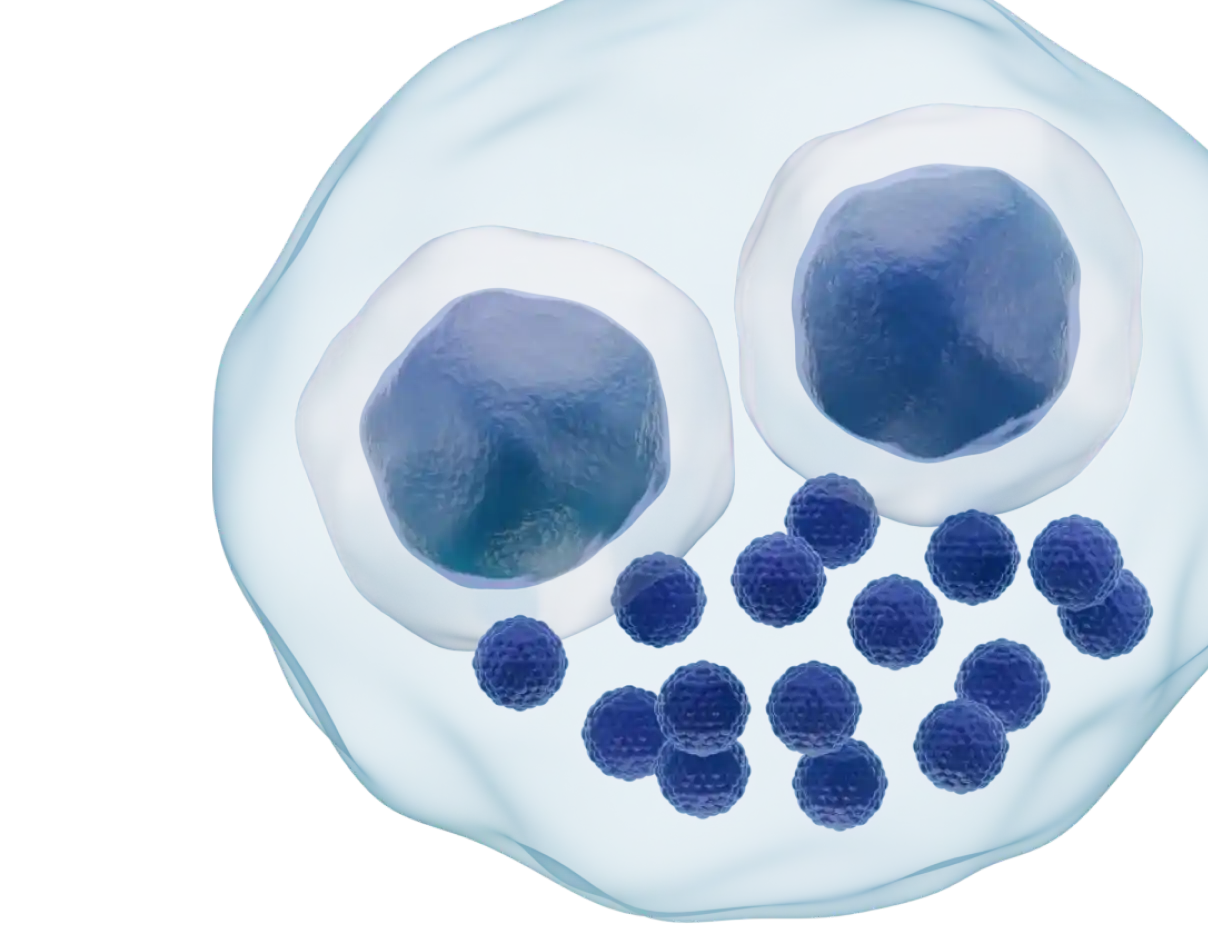







Treponema pallidum

CausesSyphilis

This bacterial infection is treatable when diagnosed early and treated by a licensed healthcare provider.
However, you need to get syphilis testing to get a diagnosis first.

Read on to learn more about syphilis testing with us.

Treponema pallidum information

Clarity begins with testing.

At-home testing with secure, clinician-reviewed results.

What is Treponema pallidum?

Syphilis is a bacterial infection that develops in stages and often spreads through sexual contact. Once the infection happens, the syphilis bacteria can remain in the body for years without causing symptoms.

Syphilis is often described in stages, and symptoms and contagiousness can vary depending on the stage. A healthcare provider can help determine the stage and what follow-up is appropriate. Syphilis is treatable, and timely treatment helps prevent long-term complications. Because syphilis can progress in stages and can cause complications if not treated, it is important to follow up promptly with a healthcare provider for evaluation, staging, and next steps.

How is syphilis transmitted?

Many people ask, "How do you get syphilis?" Sexual intercourse is the most common route of transmission. Other causes include:

  • Vaginal, anal, or oral sex with an infected person
  • Kissing or touching an active sore on the lips, tongue, mouth, breast, or genitals

According to the Mayo Clinic, babies can also catch syphilis during pregnancy, childbirth, and sometimes breastfeeding.

Stages of syphilis infection

The symptoms and signs of syphilis in women and men vary depending on the infection's stage.
The syphilis stages include:

1

2

3

4

Primary Syphilis

Secondary Syphilis

Latent Syphilis

Tertiary Syphilis

  • Small, painless sore (chancre)
  • Rash
  • Fever
  • Fatigue
  • No symptoms present
  • Damage organs (brain, eye, bone, heart, and liver)
  • Primary syphilis

    People first develop a small, painless sore. This sore is called a chancre. It appears where the bacteria entered the body, and it heals on its own in three to six weeks.

  • Secondary syphilis

    Tends to produce other symptoms after the first chancre heals. These symptoms range from a rash and wart-like sores to fever and fatigue. These symptoms can appear and disappear for months or even years.

  • Latent stage

    Have no symptoms present. For some people, symptoms never come back. Others may see the disease continue to progress.

  • Tertiary syphilis

    Happens to 30% to 40% of people who don't get syphilis treatment, according to the Mayo Clinic. This stage can damage organs, including the brain, eyes, bones, heart, and liver.

What are the complications when untreated?

Antibiotics can treat and cure a syphilis infection. While the medications cure the infection, they cannot repair organ damage from syphilis.

Untreated syphilis can cause many complications and risks, including organ damage and complications during pregnancy. Syphilis can also increase the risk of contracting HIV, according to HIV.gov.

Without treatment, other risks of syphilis include:

  • Neurological problems, including stroke and dementia-like symptoms
  • Vision changes or blindness
  • Hearing loss, vertigo (dizziness), or ringing in the ears
  • Bulging and swelling of the aorta (the heart's major artery)
  • Damage to heart valves

When should I get tested for syphilis?

Syphilis treatment is only effective if you know you need it. The Centers for Disease Control (CDC) have specific syphilis screening recommendations for the following groups:

  • Pregnant women should all have screening at the first prenatal visit
  • Asymptomatic men and women should have screening if they are considered "high risk"
  • Men who have sex with men should screen for syphilis at least every year

What are my testing options?

To get a syphilis diagnosis, you can choose from clinic testing or an at-home collection STD test. Depending on the option you choose, the syphilis test may involve:

  • Giving a blood sample
  • Providing fluid from a sore
  • Giving a urine sample

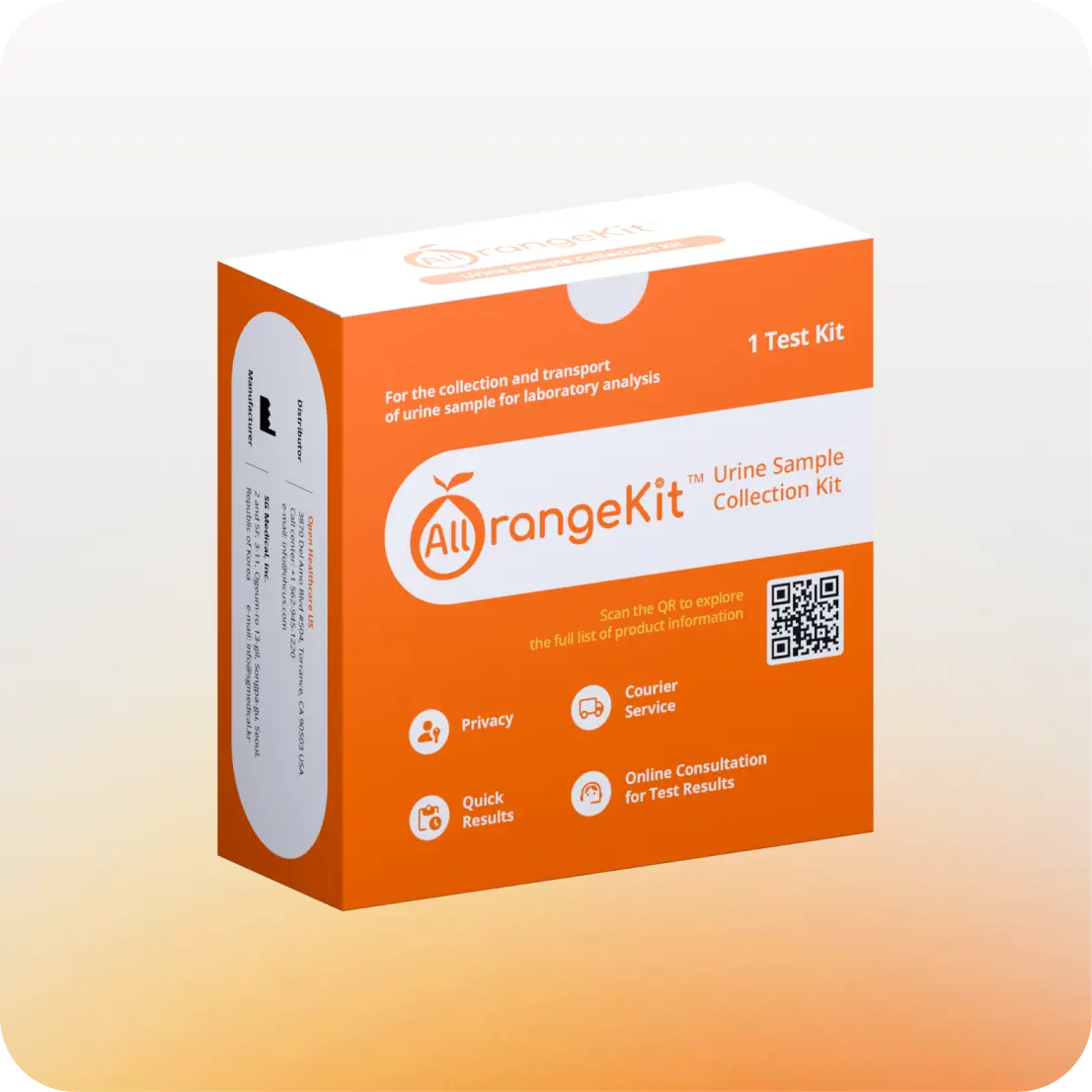
AllrangeKit allows you to test for syphilis and 12 other STIs from the comfort of home.
All you need is a urine sample and to follow these steps:

  • Review our discreet at-home collection STD test, which includes instructions that explain how to test for syphilis at home.
  • Provide and ship your urine sample to a CLIA-certified lab. The lab will use advanced Multiplex PCR testing to offer enhanced accuracy.
  • Within a week of the lab receiving your sample, you will typically receive your syphilis test results at home.

How is this virus treated?

The preferred medication for all stages of syphilis is penicillin, which is most effective when given in the earliest stages of infection. Treatment can still be effective in later stages of syphilis, though additional doses may be required.

AllrangeKit does not provide treatment or prescribe medications, but we can help connect you with a licensed clinician who can discuss appropriate next steps for care based on your results.

AllrangeKit™ 13-in-1 Extended STI Test

AllrangeKit™ 13-in-1 Extended STI(STD) Test

$ 109.00

  • Detect major types of sexually transmitted infections (STI): Bacteria, Virus, Parasite
  • 1 Test, 13 Targets: Chlamydia, Gonorrhea, Trichomoniasis, and more
  • Clinically validated, advanced Real-time Multiplex PCR technology
  • Prescription available (additional fee of $30 applies) for Chlamydia, Trichomoniasis, Herpes Type 1 and 2
Free shippingDiscreet packagingFSA/HSA eligible

Wondering where to buy a syphilis test? You're in the right place because AllrangeKit offers a 13-in-1 at-home collection STD test. We also provide support for every step of your testing journey. You can purchase your AllrangeKit today to learn more about your sexual health and wellness.

What should I do next?

  • Consult a Professional

    Take a copy of this lab report to your Primary Care Provider (PCP) or a local sexual health clinic.

  • Share Your Results

    Showing this report to your provider can help skip redundant testing and move directly to the treatment.

  • Complete the Treatment

    Once you receive a prescription, you must finish the entire course of medication, even if you feel better within a few days.

  • Protect Your Partners

    To prevent the infection from spreading or coming back to you, notify any recent sexual partners.

  • Comprehensive Screening

    It is a standard medical recommendation to screen for other STIs, as having one infection can increase getting other STIs.

Prevention tips

Use condoms

Limit sexual partners

Regular testing

Transparency

Frequently asked questions

AllrangeKit aims to provide an accurate at-home collection test for syphilis. We offer enhanced accuracy through Multiplex PCR testing at CLIA-certified labs.

Yes, you can provide a sample for a syphilis test at home. You will then send it away for testing.

Many people will first develop a small, painless sore called a chancre. However, not everyone will notice they have this sore, especially if it's in a hidden place.

The CDC offers specific syphilis screening recommendations for sexually active adults. For example, pregnant women should have syphilis screening at their first prenatal visit.

Sources

Learn more about other panels we test

View all highlights

Chlamydia trachomatis

Chlamydia

Trichomonas vaginalis

Trichomoniasis

Herpes simplex virus Type 1

Oral herpes

Herpes simplex virus Type 2

Genital herpes

Neisseria gonorrhoeae

Gonorrhea

Treponema pallidum

Syphilis

Mycoplasma genitalium

NGU

Mycoplasma hominis

Vaginitis

Ureaplasma urealyticum

Urethritis

Ureaplasma parvum

NGU

Lymphogranuloma venereum

LGV

Haemophilus ducreyi

Chancroid

Cytomegalovirus

CMV infection

Uncertainty doesn't have to last.

Get started