



Herpes simplex virus Type 2

Herpes HSV-2 is one of the better-known sexually transmitted infections (STIs).
However, there is still a lot of misinformation circulating about herpes HSV-2 tests and treatment.

Read on to learn more about HSV-1.

Herpes simplex virus Type 2 information

Clarity begins with testing.

At-home testing with secure, clinician-reviewed results.

What is Herpes?

Herpes simplex virus (HSV) is an infection that primarily affects the genitals (genital herpes) and mouth (oral herpes). This infection is very common, affecting over 1 in 5 adults worldwide, according to the World Health Organization (WHO).

During a herpes outbreak, people experience fluid-filled blisters . However, some people with herpes don't have outbreaks, so they don't realize they have the STI.

Both types of herpes are very contagious. The condition spreads through skin-to-skin contact with an infected person.

1 in 5 adults have HSV-2

846M

people aged between 15 and 49
are living with genital herpes

What is Herpes simplex virus Type 2?

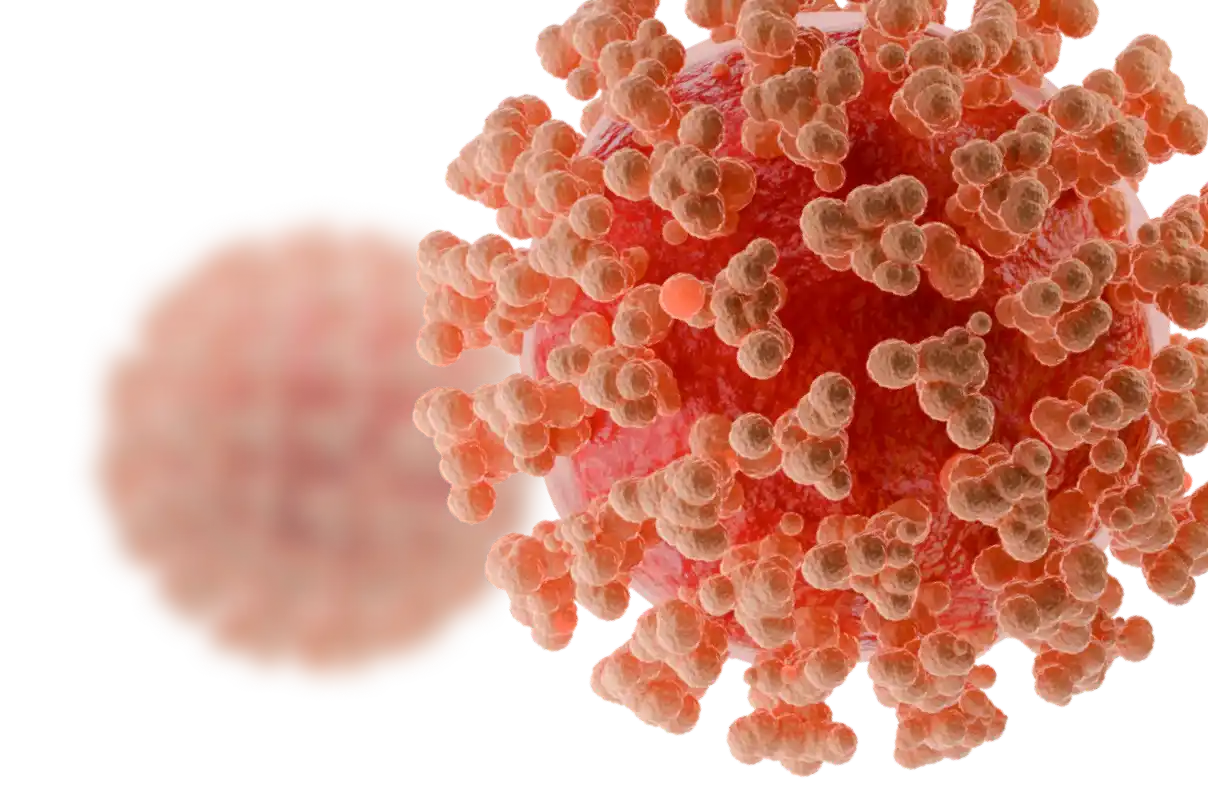
Two types of herpes exist, including herpes simplex virus type 1 (HSV-1) and herpes simplex virus type 2 (HSV-2). Contrary to popular belief, both types of herpes can cause oral or genital herpes. As a result, it's false to say HSV-2 is solely "genital herpes."

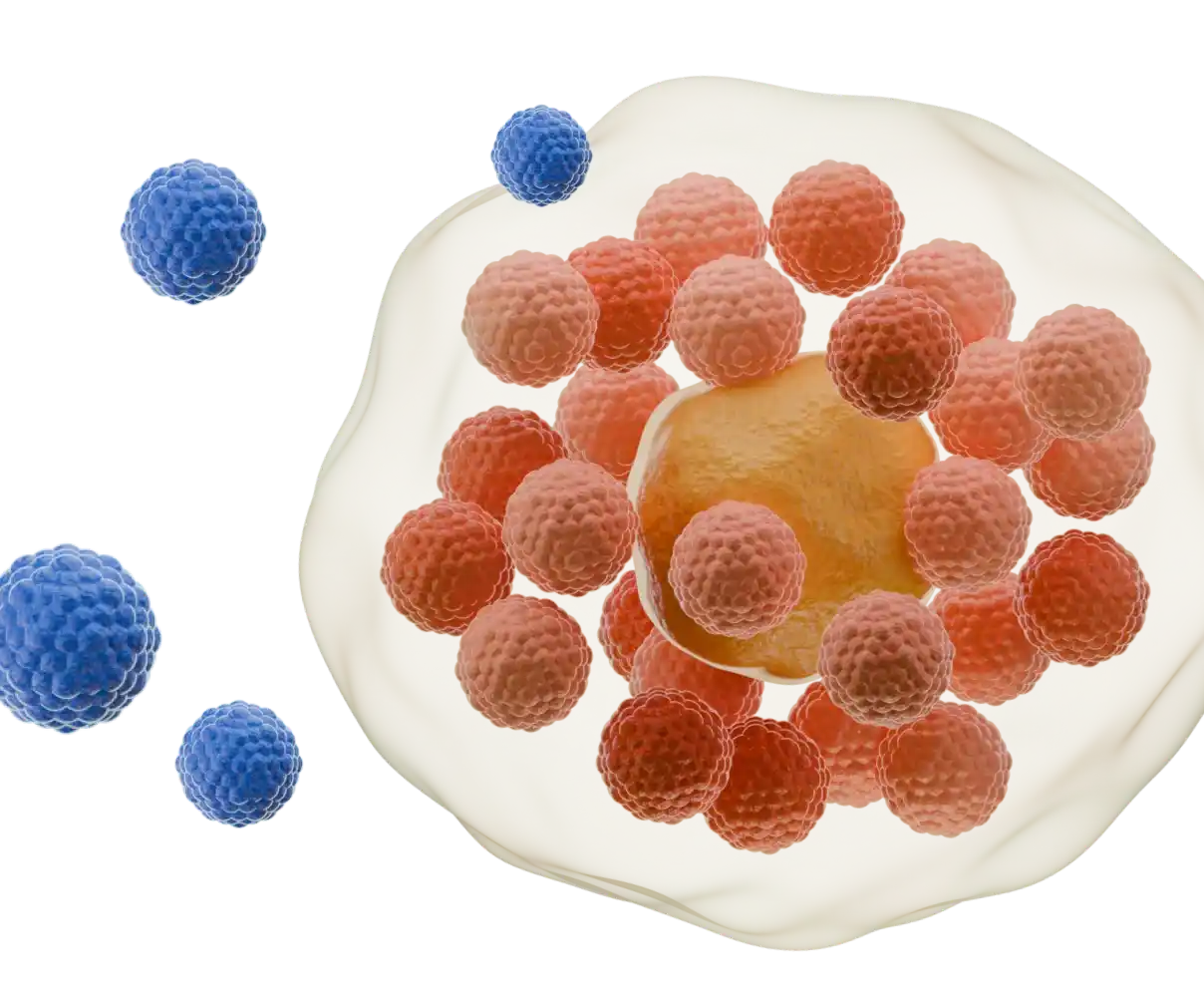
Both HSV-1 and HSV-2 spread through skin-to-skin contact. When the herpes virus enters the body through the skin and mucous membranes, the herpes infection can occur.

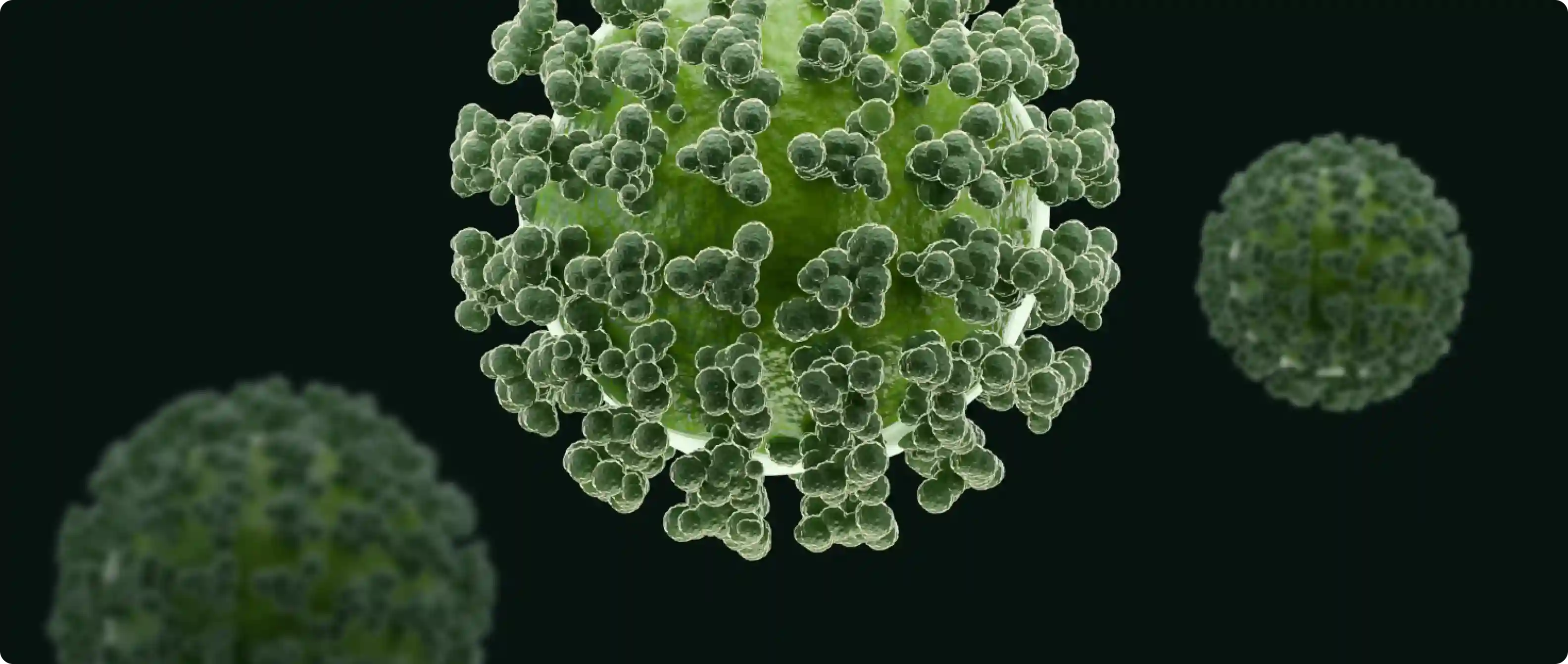
When someone has HSV-2, the virus:

  • Uses the body's cells to make copies of itself (replication)
  • Stays in the body for life, either remaining asleep (dormant) or activating to cause an outbreak

While no herpes cure exists, effective herpes HSV-2 treatment is available.

How is HSV-2 transmitted?

Unprotected skin-to-skin contact with an infected person is what causes HSV-2. Specifically, you can catch HSV-2 by touching:

  • Herpes sores on the mouth or genitals
  • Surfaces like the mouth, vagina, or anus (even if sores aren't visible)
  • Saliva, semen, and vaginal discharge (even if the person isn't having an outbreak)

A person with a herpes diagnosis only sheds the virus from the body part that has the infection. Typically, this is the area where HSV-2 first entered the body.

Kissing

Skin-to-Skin

Saliva

Herpes HSV-2 can easily spread from person to person. The most common routes of transmission include:

  • Genital-to-genital contact, which can occur during sexual intercourse
  • Oral-to-oral contact when kissing
  • Oral-to-genital or genital-to-oral contact during oral sex
  • Skin-to-sore contact by touching an oral or genital sore

What symptoms can genital herpes cause?

It's common to ask, "What does herpes look like?" The signs of HSV-2 vary depending on where the infection is located in the body. Below are common HSV-2 symptoms:

  • Oral herpes features blisters on the lips and mouth
  • Genital herpes involves blisters on and around the genitals

These fluid-filled blisters tend to rupture (break open) and ooze and bleed. After the sores break open, scabs form over the area.

With genital and oral herpes, people tend to notice tingling, itching, or burning up to 48 hours before the first blister appears. Those with genital herpes may also experience a fever, headache, and swollen lymph nodes.

The signs of HSV-2 are similar in men and women. However, the infection may affect different body parts.

  • HSV-2 symptoms in females may include blisters on the vulva, vagina, and cervix
  • HSV-2 symptoms in males may include blisters on the penis and scrotum

Stages of HSV-2 infection

Herpes HSV-2 has three main stages. Each one comes with unique signs.

  • Primary infection stage

    This is when the virus first enters the body. Some people may experience blisters and inflammation at this time. Others may have no symptoms.

  • Latency stage

    Occurs when the immune system resolves the primary infection. The virus is still in the body, but it is mostly inactive (asleep). There are no symptoms during this time.

  • Reactivation stage

    This is when the infected cells wake up. This can (1) end quickly with containment in the nerve tissue, (2) cause asymptomatic viral shedding (contagious without symptoms), or (3) cause a full herpes outbreak.

What are the complications when untreated?

If left untreated, HSV-2 carries several health risks. According to the Mayo Clinic, these HSV-2 complications may include:

  • A higher risk of catching or transmitting other STIs like HIV/AIDS
  • Inflammation in the reproductive and urinary tracts
  • Finger infection (herpetic whitlow)
  • Eye infection (herpes keratitis), which can lead to blindness
  • Brain swelling (HSV encephalitis), in rare cases

It's also possible to transmit HSV-2 to a newborn baby during delivery. This can increase the risk of serious infection and developmental problems in the baby.

When should I get tested for HSV-2?

Because you can have HSV-2 without symptoms, an HSV-2 herpes test is the only way to know if you have it.

According to the Centers for Disease Control (CDC), you should test for HSV-2 in the following situations:

  • You have herpes-like symptoms
  • You had sex with someone who has genital herpes

A herpes HSV-2 test can provide the information you need about this STI.

What are my testing options?

You have more than one herpes testing option. You can choose between in-clinic testing or a convenient at-home collection HSV-2 test.

  • Clinic testing involves going to a medical office to provide a sample for HSV-2 testing.
  • A herpes at-home collection test allows you to collect a sample at home and then send it away for testing.

Many people prefer the convenience and privacy of herpes at-home collection testing options.

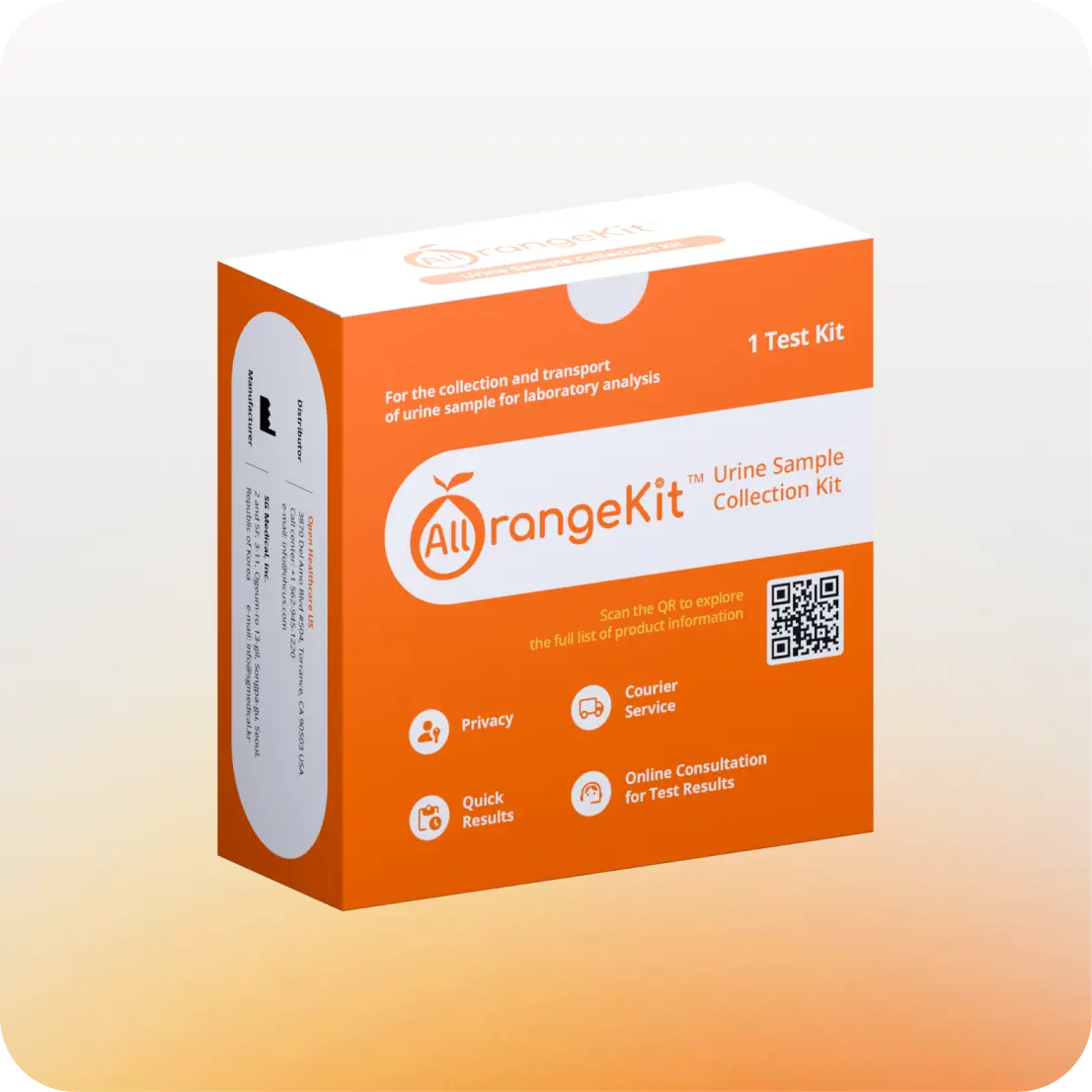
AllrangeKit offers a 13-in-1 at-home collection STI test that looks for HSV-2 and 12 other STIs with just a few easy steps:

  • Order your 13-in-1 STI at-home collection test.
  • Review the materials and instructions before getting started.
  • Provide a urine sample in the collection container.
  • Register your test by using the AllrangeKit App.
  • Ship your sample to a CLIA-certified lab using the prepaid label.
  • View your HSV-2 test results at home in the AllrangeKit App.

If your test shows you have herpes, we can help you with what to do after a positive HSV-2 test.

How is this virus treated?

Because HSV-2 is caused by a virus, antiviral medications like acyclovir and valacyclovir are the treatment of choice. Two main types of HSV-2 herpes treatments are available:

  • Episodic treatment to manage the symptoms of herpes outbreaks
  • Chronic suppressive therapy for long-term treatment in people who have severe oral herpes outbreaks or have six or more outbreaks per year

According to the Cleveland Clinic, chronic suppressive therapy can decrease symptom severity and reduce the number of outbreaks by 70% to 80%. It may also help protect sexual partners.

AllrangeKit offers prescription support for HSV-2.

Our role is not only to help you test and receive clear, clinically validated information about your sexual health, but also to support appropriate next steps when treatment is indicated. If your at-home sample collection test returns a positive result for one of the eligible conditions, you may be connected with a licensed clinician for medical evaluation and, when appropriate, prescription treatment.

It is important to follow the clinician's guidance carefully, complete any prescribed medication as directed, and avoid sexual activity until a healthcare professional confirms it is safe to resume.

What should I do next?

  • Follow up with a healthcare provider
  • Be aware of early symptoms (such as tingling or itching) that may signal an outbreak
  • Avoid sexual contact during active outbreaks
  • Consider additional STI testing, as infections can occur together
AllrangeKit™ 13-in-1 Extended STI Test

AllrangeKit™ 13-in-1 Extended STI(STD) Test

$ 109.00

  • Detect major types of sexually transmitted infections (STI): Bacteria, Virus, Parasite
  • 1 Test, 13 Targets: Chlamydia, Gonorrhea, Trichomoniasis, and more
  • Clinically validated, advanced Real-time Multiplex PCR technology
  • Prescription available (additional fee of $30 applies) for Chlamydia, Trichomoniasis, Herpes Type 1 and 2
Free shippingDiscreet packagingFSA/HSA eligible

At AllrangeKit, our at-home collection STD test can provide information about 13 different STIs, including HSV-2. We aim to provide accurate, easy, and secure STD testing for an affordable price, because everyone deserves to learn about their sexual health.

We invite you to buy your AllrangeKit and take control of your health today. Our support team can also answer your questions about our at-home collection test.

Prevention tips

Use condoms

Limit sexual partners

Regular testing

Transparency

Frequently asked questions

HSV-2 is short for herpes simplex virus type 2. This is a contagious STI that often affects the genitals and mouth.

Herpes HSV-2 spreads through direct skin-to-skin contact with someone who has the virus. Someone can transmit herpes even when they don't have an active outbreak.

People commonly ask, "Is there an at-home herpes test?" The answer is yes. AllrangeKit offers a 13-in-1 at-home collection STI kit. It looks for 13 different conditions, including HSV-1 and HSV-2.

Herpes test accuracy is very important to us at AllrangeKit. Your test sample will be processed in a CLIA-certified lab using Multiplex PCR Testing for enhanced accuracy.

Yes, herpes medication can help manage HSV-2 symptoms and prevent outbreaks.

Sources

Learn more about other panels we test

View all highlights

Chlamydia trachomatis

Chlamydia

Trichomonas vaginalis

Trichomoniasis

Herpes simplex virus Type 1

Oral herpes

Herpes simplex virus Type 2

Genital herpes

Neisseria gonorrhoeae

Gonorrhea

Treponema pallidum

Syphilis

Mycoplasma genitalium

NGU

Mycoplasma hominis

Vaginitis

Ureaplasma urealyticum

Urethritis

Ureaplasma parvum

NGU

Lymphogranuloma venereum

LGV

Haemophilus ducreyi

Chancroid

Cytomegalovirus

CMV infection

Uncertainty doesn't have to last.

Get started