
Cytomegalovirus

CausesCMV

Cytomegalovirus (CMV) is a common virus that often causes no noticeable symptoms and can affect reproductive health.

Read on to learn about transmission, testing, and prevention.

Cytomegalovirus information

Clarity begins with testing.

At-home testing with secure, clinician-reviewed results.

What is Cytomegalovirus?

Cytomegalovirus (CMV) is a common virus that spreads through close contact and, in some cases, sexual contact. Many people with CMV do not have noticeable symptoms, which makes testing important for early awareness and prevention.

CMV is a virus that belongs to the herpesvirus family. After infection, it can remain in the body and stay inactive for long periods. Most healthy adults do not have noticeable symptoms. However, it can cause complications for pregnant women, newborns and those with weakened immune systems.

How is CMV transmitted?

CMV can be transmitted through sexual contact, such as:

  • Unprotected sexual contact
  • Exchange of bodily fluids during intimate contact
  • Contact with infected semen or vaginal fluids

But is not formally classified as a sexually transmitted infection (STI) because it commonly spreads through non-sexual contact, such as:

  • Saliva
  • Blood
  • Urine
  • Semen
  • Vaginal fluids
  • Breast milk
  • Shared personal items

CMV can also spread through:

  • Direct contact with contaminated bodily fluids
  • Mother-to-child transmission during birth or breastfeeding
  • Organ transplants or blood transfusions

Individuals who are at increased risk of CMV infection include the following:

  • Those with multiple sexual partners
  • Individuals with close contact to young children
  • Pregnant women
  • Healthcare or childcare workers
  • People with weakened immune systems

Regular testing supports early detection for those at higher risk.

What symptoms can CMV cause?

The CMV virus enters the body through direct contact with infected fluids. After exposure, it can multiply and remain dormant or active depending on an individual's immune response and overall health. CMV does not always cause noticeable illness which is why testing is the most reliable way to confirm exposure.

Although most people will not experience noticeable symptoms, when they do occur, they often resemble other viral infections.

  • Fatigue
  • Fever
  • Sore throat
  • Swollen lymph nodes
  • Muscle aches
  • Mild headache

Severe symptoms are less common but may occur in:

  • People with weakened or compromised immune systems
  • Newborns infected during pregnancy or breastfeeding
  • Pregnant individuals with a new infection

Complications may include vision changes, organ inflammation or developmental concerns in infants.

What are the complications when untreated?

Untreated CMV is often mild in healthy individuals but can lead to severe complications for those who are immunocompromised. These include individuals with HIV/AIDS, cancer, diabetes, sickle cell disease or autoimmune disorders.

Health risks among vulnerable populations may include:

  • Immunocompromised
    1. Pneumonia
    2. Gastrointestinal damage
    3. Neurological issues
    4. Organ rejection for transplant recipients
  • Newborns infected via the mother:
    1. Permanent hearing loss
    2. Cognitive impairment
    3. Developmental and motor delays
    4. Potential complications over time

In vulnerable populations, long-term complications of CMV may include:

  • Hearing or vision concerns
  • Organ inflammation

Early detection using a confidential, at-home collection CMV test is essential for timely treatment and ongoing monitoring when needed.

What are my testing options?

CMV diagnosis typically includes lab-based testing that detects:

  • Antibodies indicating past or current infection
  • Viral DNA through molecular testing

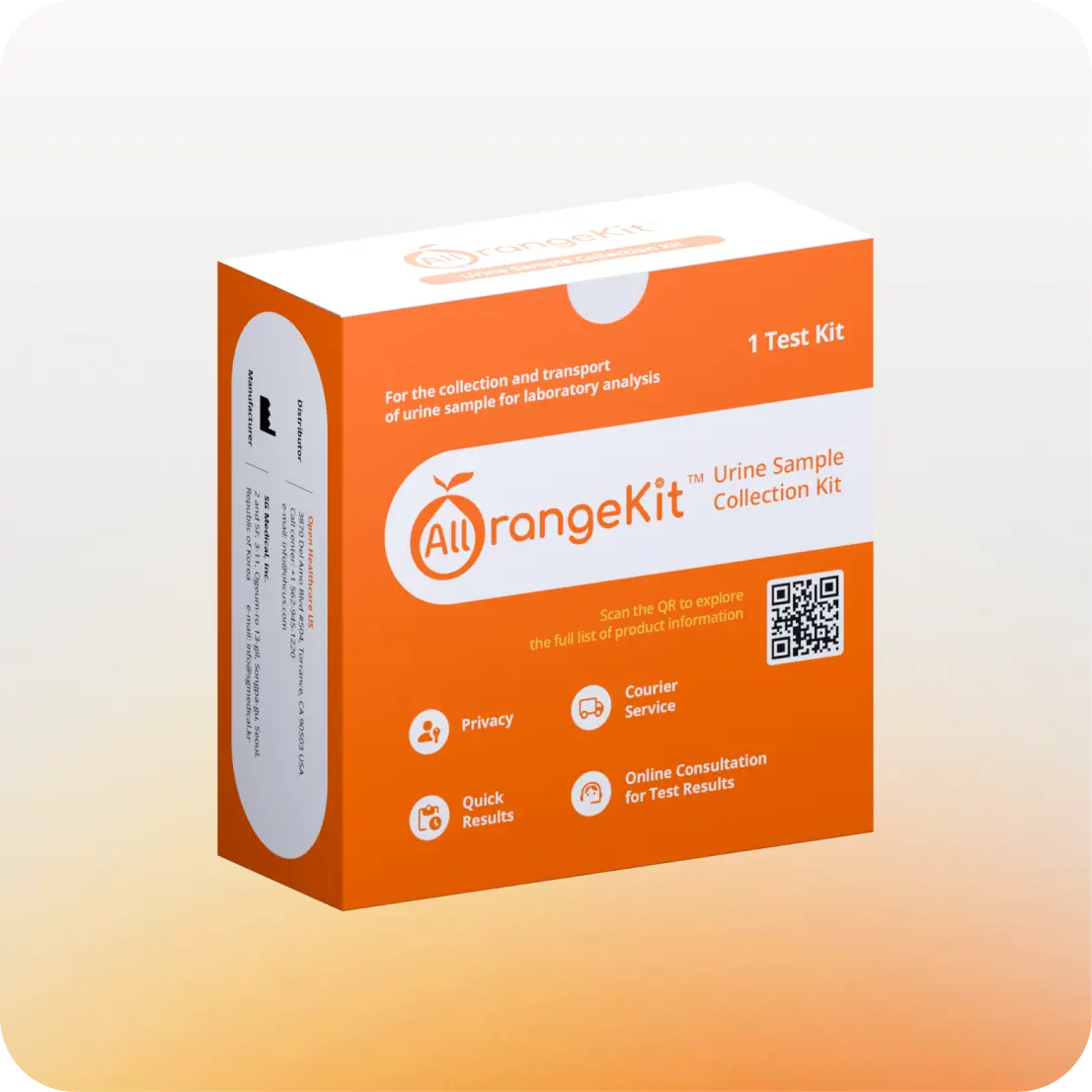
AllrangeKit CMV testing can be easily completed through at-home sample collection and mailed to one of our certified partner laboratories for analysis.

All samples are processed in a certified lab using Multiplex PCR technology, an efficient and cost-effective method that supports rapid diagnosis, patient management and infection control.

When should I get tested for CMV?

Consider CMV STD testing if:

  • You have noticeable symptoms
  • You had possible exposure
  • You are planning or trying to get pregnant
  • Your partner tested positive
  • You want routine screening for peace of mind
AllrangeKit™ 13-in-1 Extended STI Test

AllrangeKit™ 13-in-1 Extended STI(STD) Test

$ 109.00

  • Detect major types of sexually transmitted infections (STI): Bacteria, Virus, Parasite
  • 1 Test, 13 Targets: Chlamydia, Gonorrhea, Trichomoniasis, and more
  • Clinically validated, advanced Real-time Multiplex PCR technology
  • Prescription available (additional fee of $30 applies) for Chlamydia, Trichomoniasis, Herpes Type 1 and 2
Free shippingDiscreet packagingFSA/HSA eligible

The AllRangeKit CMV at-home collection STD test includes:

  • A self-collection test
  • Secure shipping to a certified partner laboratory
  • Lab analysis using Multiplex PCR
  • Digital access to results through the AllrangeKit mobile app

Once your test is registered, you can receive updates via the mobile app, including shipping status, delivery confirmation and lab processing updates. Results are typically available within a week of receipt.

Tests are processed in CLIA-certified OHUS labs and reviewed by licensed clinicians.

How is this virus treated?

Treatment may include antiviral medications when clinically indicated. A healthcare professional determines whether medication or monitoring is the right approach.

Many healthy individuals recover without medical intervention. However, monitoring may include follow-up testing or symptom tracking if recommended by a clinician.

What should I do next?

  • Follow up with a healthcare provider
  • Complete all prescribed medication
  • Avoid sexual contact until treatment is completed
  • Recent sexual partners may also need testing
  • Additional STI testing may be recommended, as infections can occur together

Prevention tips

Use condoms

Limit sexual partners

Regular testing

Transparency

Ureaplasma may be shared between partners, but detection does not always indicate an STI causing disease. If you are sexually active, consistent condom use can reduce the risk of many sexually transmitted infections.

Frequently asked questions

Yes. Many healthy individual's clear symptoms without medical treatment. However, the virus can remain dormant in the body for a lifetime after initial infection. It can also reactivate during periods of stress or in individuals with weakened immune systems.

Symptoms may appear within a few weeks of exposure, though many people never develop noticeable symptoms.

Yes. CMV often causes mild or no symptoms, making testing with AllRangeKit essential.

Yes. AllRangeKit tests are shipped in discreet packaging, samples are processed in a certified laboratory, and results are accessed privately through secure systems.

No prescription is required to order an at-home collection STD test through our website.

Sources

Learn more about other panels we test

View all highlights

Chlamydia trachomatis

Chlamydia

Trichomonas vaginalis

Trichomoniasis

Herpes simplex virus Type 1

Oral herpes

Herpes simplex virus Type 2

Genital herpes

Neisseria gonorrhoeae

Gonorrhea

Treponema pallidum

Syphilis

Mycoplasma genitalium

NGU

Mycoplasma hominis

Vaginitis

Ureaplasma urealyticum

Urethritis

Ureaplasma parvum

NGU

Lymphogranuloma venereum

LGV

Haemophilus ducreyi

Chancroid

Cytomegalovirus

CMV infection

Uncertainty doesn't have to last.

Get started