Mycoplasma hominis

CausesM.hominis

Mycoplasma hominis is a sexually transmitted infection that may not cause noticeable symptoms
but can be linked to reproductive complications.

Read on to learn about testing and treatment options.

Mycoplasma hominis information

Clarity begins with testing.

At-home testing with secure, clinician-reviewed results.

What is Mycoplasma hominis?

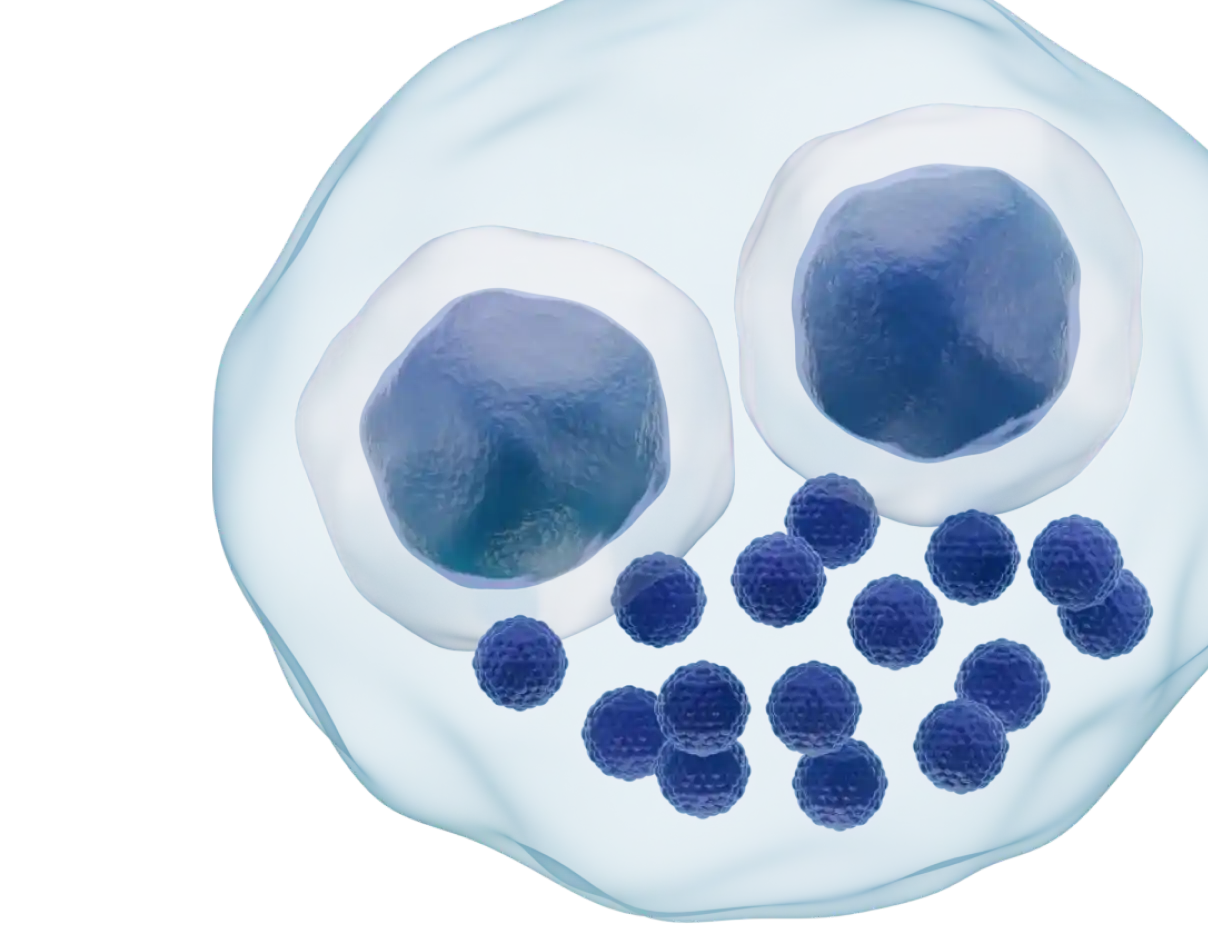
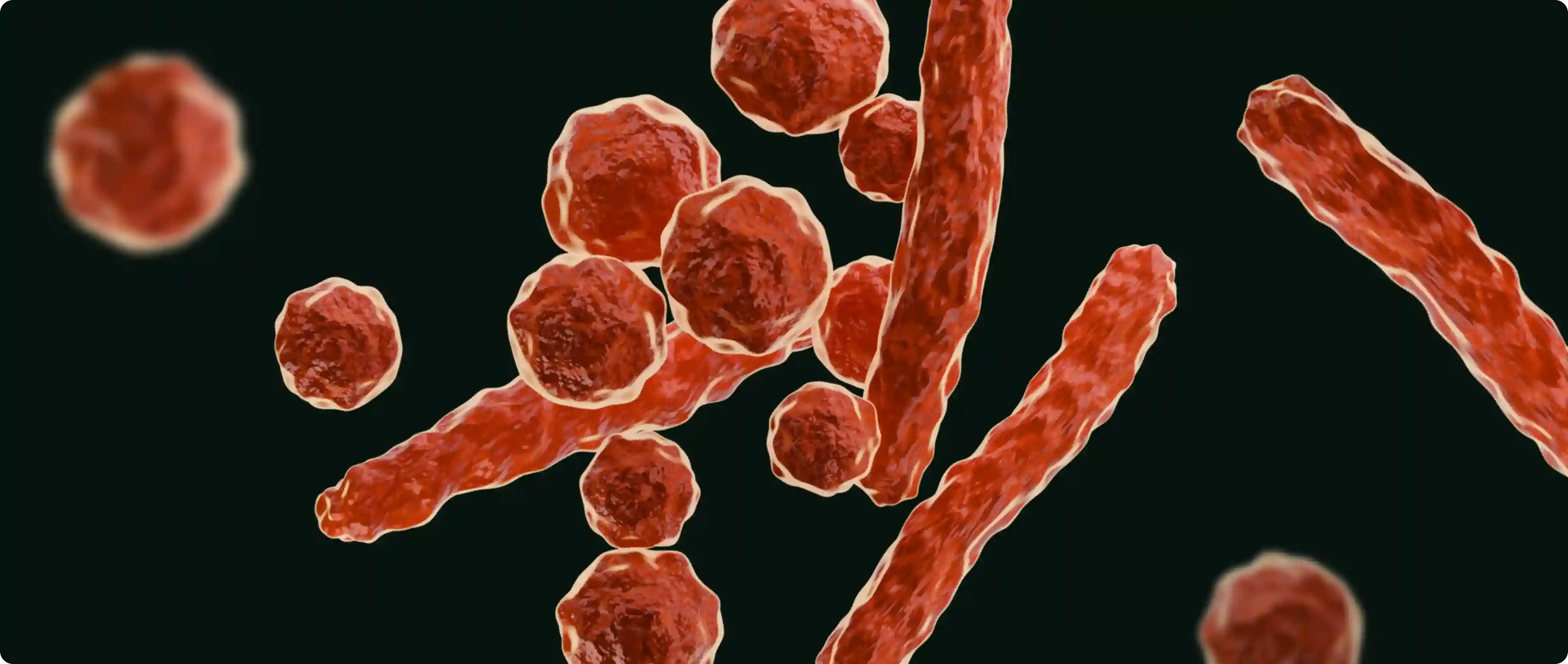
Mycoplasma hominis (M.hominis) is caused by a unique type of bacteria that spreads through unprotected sexual contact.

It is relatively common. One study from Reproductive Medicine and Biology looked at women with no known gynecological issues. 11.3% of the women in the study had the M.hominis bacteria.

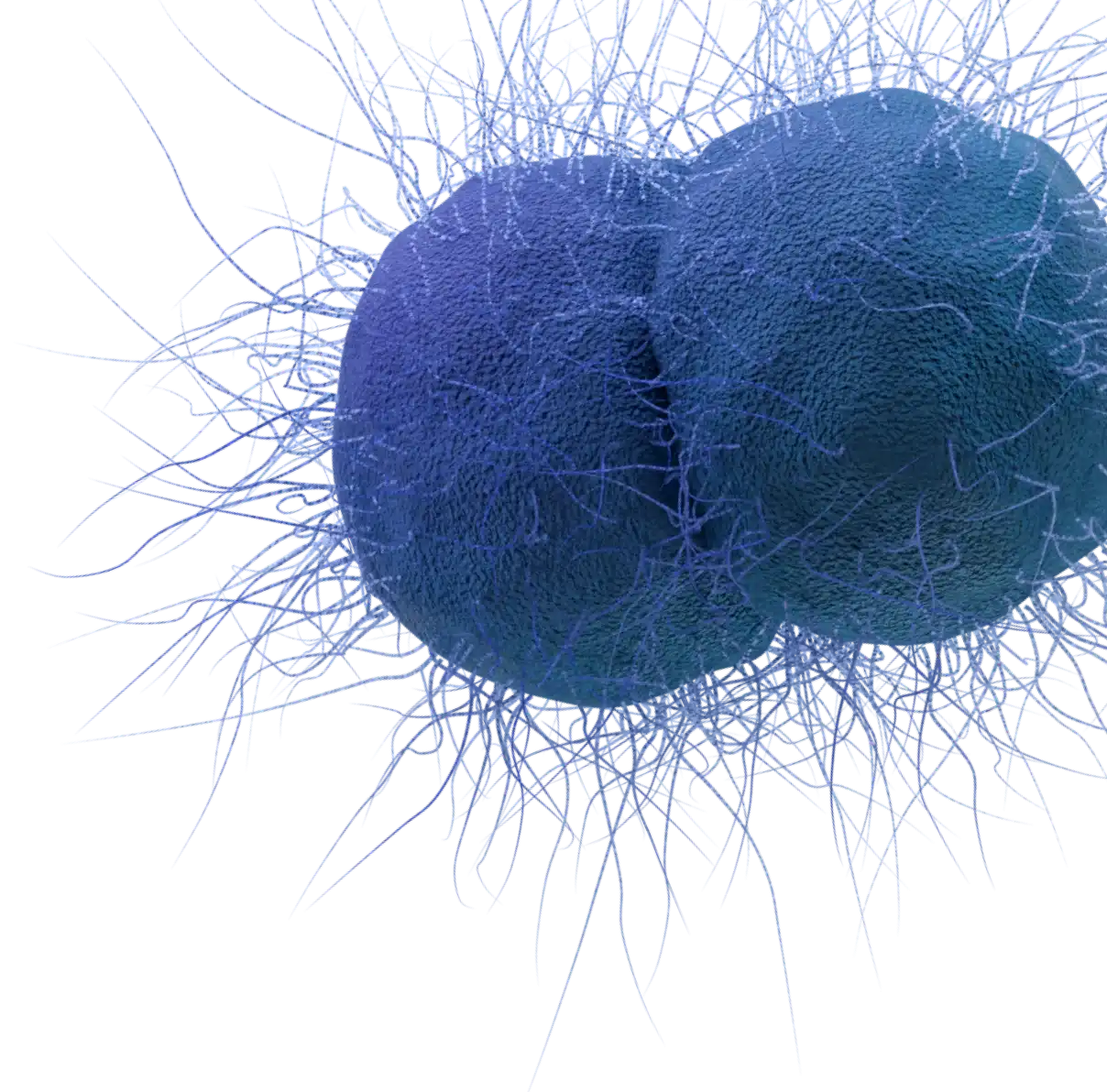
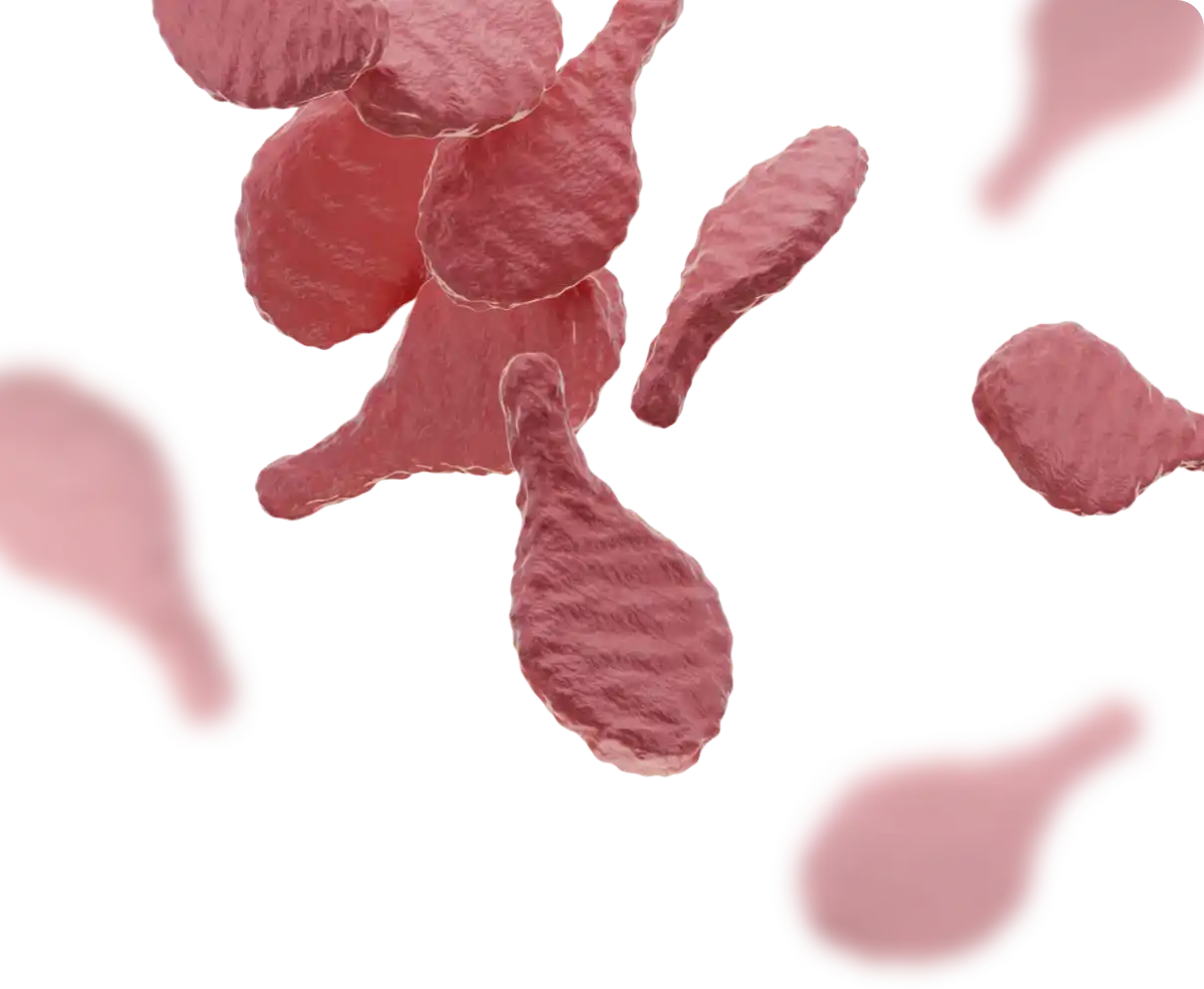
M.hominis is part of a group of bacteria (mycoplasma). These bacteria target specific parts of the body. M.hominis specifically targets the urinary tract and genitals. Unlike many bacteria, it does not have a typical cell wall. It is frequently found as part of the normal genital microbiome, especially in sexually active adults. Because M. hominis can be present without causing disease, detection alone does not always indicate an infection that requires treatment.

How is M. hominis transmitted?

Many people with this diagnosis ask, "How did I get Mycoplasma hominis?" This infection spreads through the following types of unprotected sexual contact:

  • Vaginal sex
  • Anal sex
  • Oral sex

This bacteria can also spread from parent to child during childbirth. This is especially true when babies are born prematurely.

What symptoms can M. hominis cause?

Not everyone who tests positive for M.hominis will show symptoms. However, the people who do tend to deal with discharge from the genitals. They may also have painful and/or more frequent urination.

If M.hominis spreads to the throat, it can cause a sore throat. When it infects the rectum, it can cause pain, tenderness, and discharge.

Men who have symptoms of M.hominis tend to experience mild ones. These symptoms may include:

  • A mild burning during urination
  • Clear or cloudy discharge from the penis
  • Redness of the opening to the penis (in the morning)

If a man has more severe symptoms, he may need to urinate more often and notice pain when he does so. He may also notice pus that comes from the penis.

M.hominis characteristics can vary in women. When the STI infects the cervix (the area between the vagina and uterus), a woman may experience:

  • Frequent urges to urinate
  • Painful urination
  • Painful sex
  • Pelvic pain and discomfort
  • Yellow pus from the vagina or urethra

In some cases, women don't experience any of these symptoms. However, even without symptoms, untreated M.hominis can come with health risks.

What are the complications when untreated?

In most healthy adults, M.hominis does not lead to complications. However, in certain situations, it may be associated with infection or inflammation, particularly when other organisms are present or when the normal balance of genital bacteria is disrupted. M. hominis has also been studied in the context of pregnancy-related conditions. During pregnancy, genital tract bacteria, including M. hominis, have been associated with inflammation of pregnancy tissues and an increased risk of preterm birth.

Taking a M.hominis test is important. This STI may not always cause symptoms. However, untreated infections can still have long-term complications and risks, especially in women. The biggest concern is developing pelvic inflammatory disease (PID), which can lead to future infertility.

When should I get tested for M.hominis?

It's possible to have M.hominis without symptoms which is why taking a test is so important.

The Centers for Disease Control (CDC) doesn't have specific STI testing recommendations for M.hominis. However, it can be wise to take a test in the following situations:

  • After being exposed to someone with this diagnosis
  • If you experience M.hominis symptoms
  • You have multiple sexual partners

Your M.hominis test results can help you understand, protect and maintain your genital health.

What are my testing options?

A Mycoplasma hominis test can diagnose this STI. You can choose between in-clinic testing or at-home collection for a M.hominis test.

  • Clinic testing requires you to visit a medical office to provide your sample for testing.
  • At-home collection testing for M.hominis allows you to test without a doctor visit.

Both options will require you to provide a sample for your test. This could be a urine sample or a swab of the genitals, throat, or anus.

Many people prefer the discreet and private testing option that at-home collection provides.

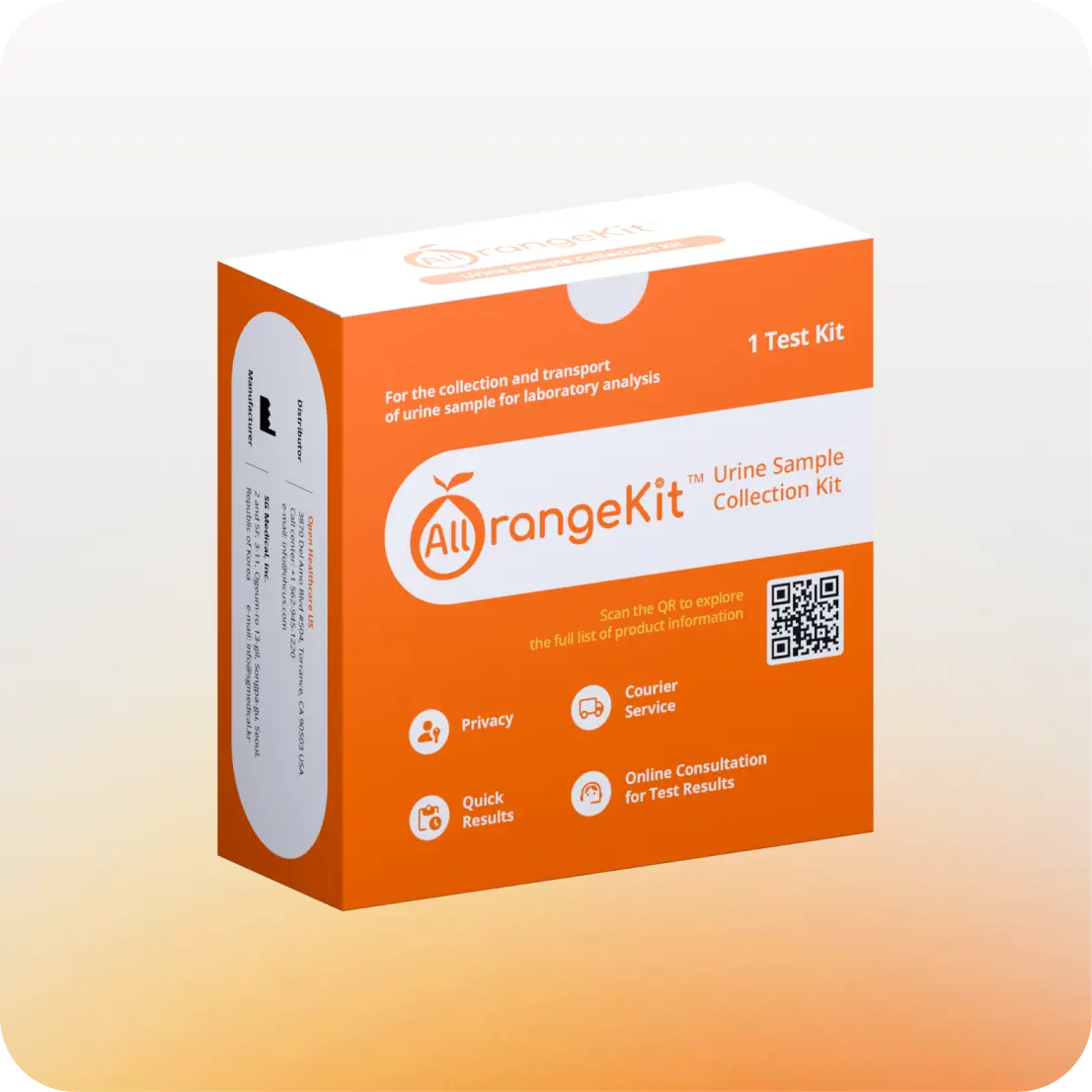
AllrangeKit offers an at-home collection test. Our 13-in-1 test looks for M.hominis and 12 other STIs with just a few easy steps:

  • Order your M.hominis at-home collection test.
  • Review the materials and instructions when your test arrives.
  • Provide a sample of urine in the collection container.
  • Register your test using the AllrangeKit App.
  • Ship your sample using the prepaid label.
  • View your results in the AllrangeKit App.

How is this bacteria treated?

Many people want to know how to get rid of M.hominis. If you need M.hominis treatment, specific antibiotics can help clear up the infection.

According to the Cleveland Clinic, antibiotics in the so-called macrolide class tend to be the most effective. Some examples include:

  • Azithromycin
  • Clarithromycin
  • Erythromycin

Once you start taking antibiotics, your symptoms should start to improve within two to three days.

What should I do next?

  • Follow up with a healthcare provider
  • Complete all prescribed medication
  • Avoid sexual contact until treatment is completed
  • Recent sexual partners may also need testing
  • Additional STI testing may be recommended, as infections can occur together
AllrangeKit™ 13-in-1 Extended STI Test

AllrangeKit™ 13-in-1 Extended STI(STD) Test

$ 109.00

  • Detect major types of sexually transmitted infections (STI): Bacteria, Virus, Parasite
  • 1 Test, 13 Targets: Chlamydia, Gonorrhea, Trichomoniasis, and more
  • Clinically validated, advanced Real-time Multiplex PCR technology
  • Prescription available (additional fee of $30 applies) for Chlamydia, Trichomoniasis, Herpes Type 1 and 2
Free shippingDiscreet packagingFSA/HSA eligible

At AllrangeKit, our at-home collection STD test can provide information about 13 different STIs, including M.hominis. We aim to provide accurate, easy, and secure STD testing for an affordable price, because everyone deserves to learn about their sexual health.

We invite you to buy your AllrangeKit and take control of your health today. Our support team can also answer your questions about our at-home collection test.

Prevention tips

Use condoms

Limit sexual partners

Regular testing

Transparency

Frequently asked questions

Yes, Mycoplasma hominis is contagious and can spread through unprotected sexual contact.

According to the Cleveland Clinic, mycoplasma can sometimes clear up on its own. This is especially true for mild symptoms. However, Mycoplasma hominis treatment can help ensure the infection is gone.

Many people ask, 'Is there a Mycoplasma hominis home test?' and the answer is yes. AllrangeKit gives you the option to collect a sample at home and send it away for testing. It provides an easier and more private way to test.

At AllrangeKit, we take Mycoplasma hominis test accuracy very seriously. As a result, we partner with CLIA-certified labs that use Multiplex PCR Testing for enhanced accuracy.

Sources

Learn more about other panels we test

View all highlights

Chlamydia trachomatis

Chlamydia

Trichomonas vaginalis

Trichomoniasis

Herpes simplex virus Type 1

Oral herpes

Herpes simplex virus Type 2

Genital herpes

Neisseria gonorrhoeae

Gonorrhea

Treponema pallidum

Syphilis

Mycoplasma genitalium

NGU

Mycoplasma hominis

Vaginitis

Ureaplasma urealyticum

Urethritis

Ureaplasma parvum

NGU

Lymphogranuloma venereum

LGV

Haemophilus ducreyi

Chancroid

Cytomegalovirus

CMV infection

Uncertainty doesn't have to last.

Get started