Lymphogranuloma venereum

CausesLGV

Lymphogranuloma venereum (LGV) is a sexually transmitted infection caused by certain strains of
Chlamydia trachomatis that can lead to complications if left untreated.

Read on to learn more about LGV symptoms, stages, and testing options.

Lymphogranuloma venereum information

Clarity begins with testing.

At-home testing with secure, clinician-reviewed results.

What is Lymphogranuloma venereum?

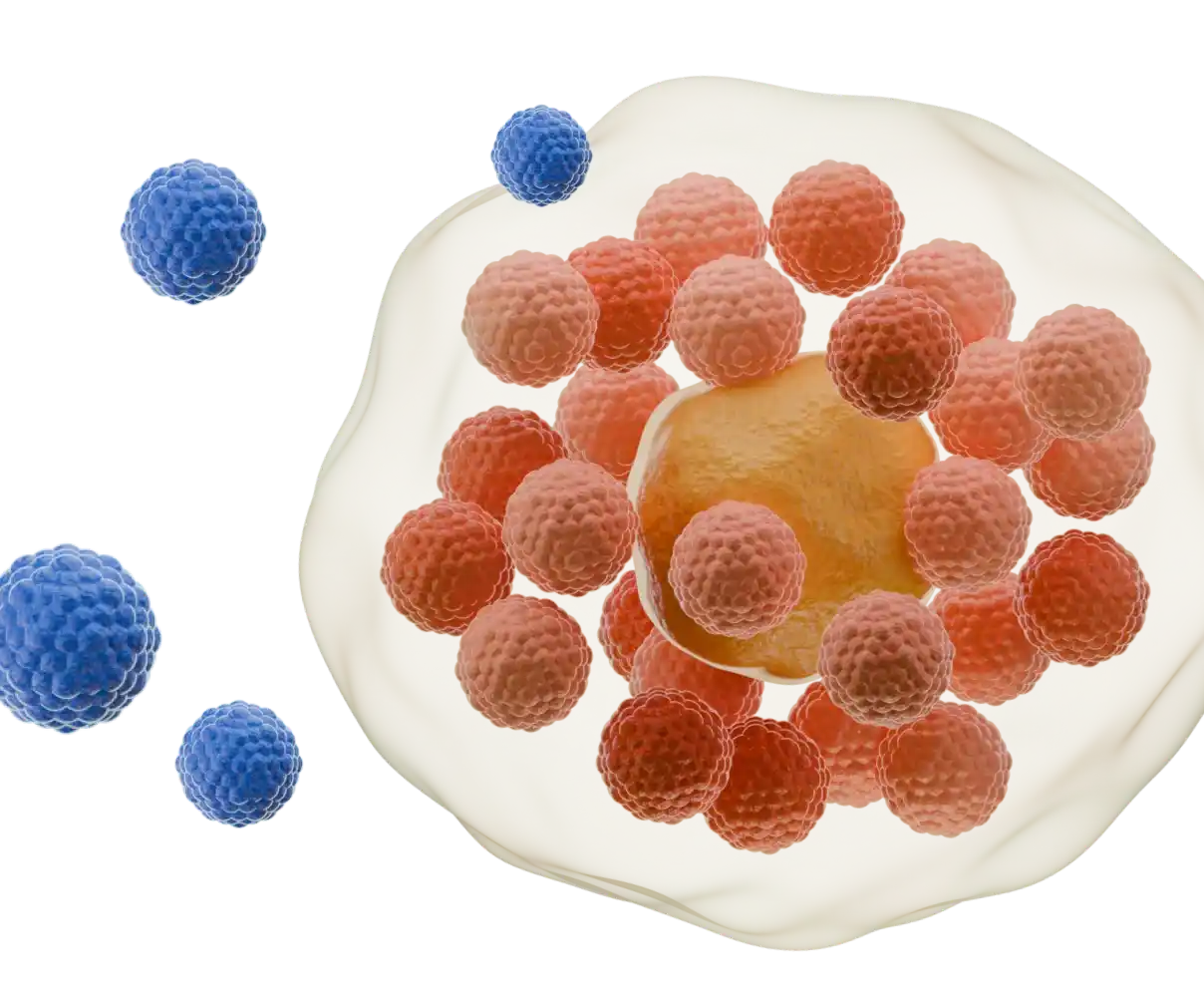
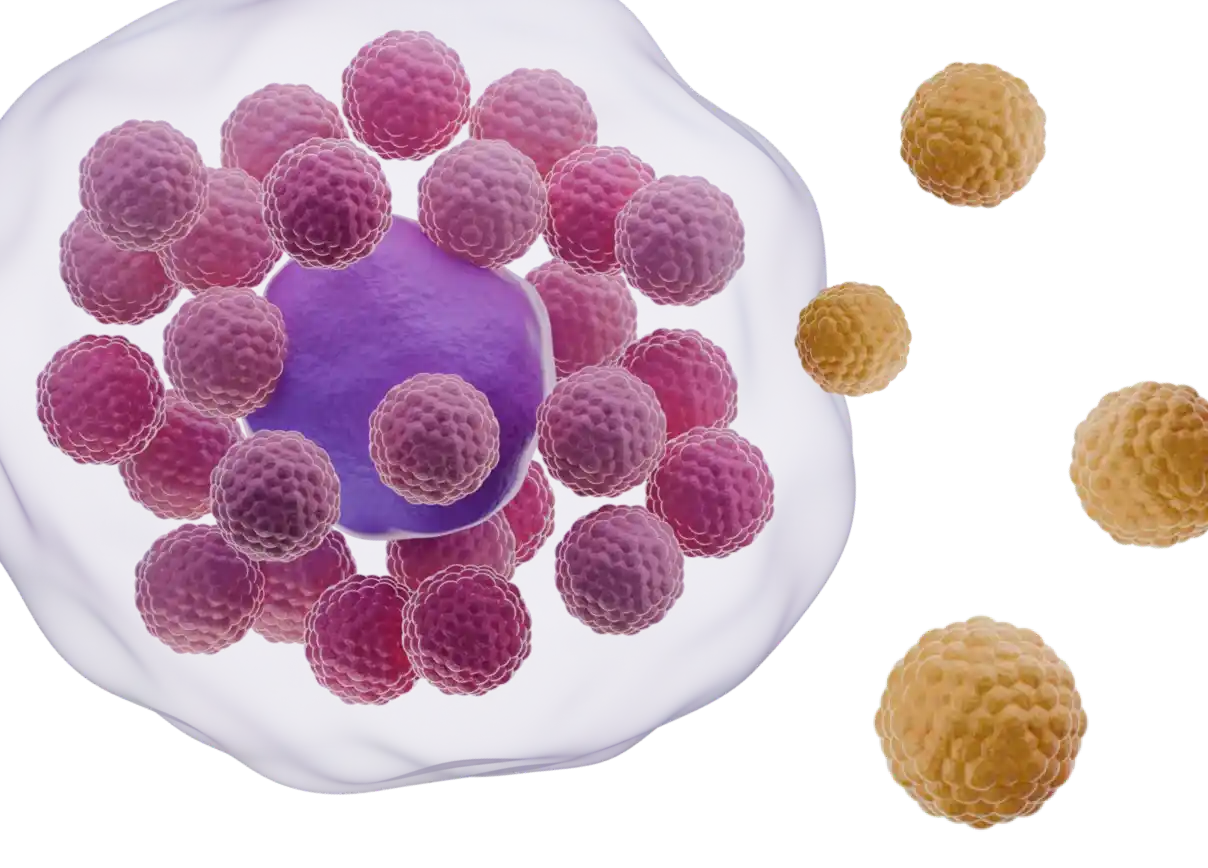
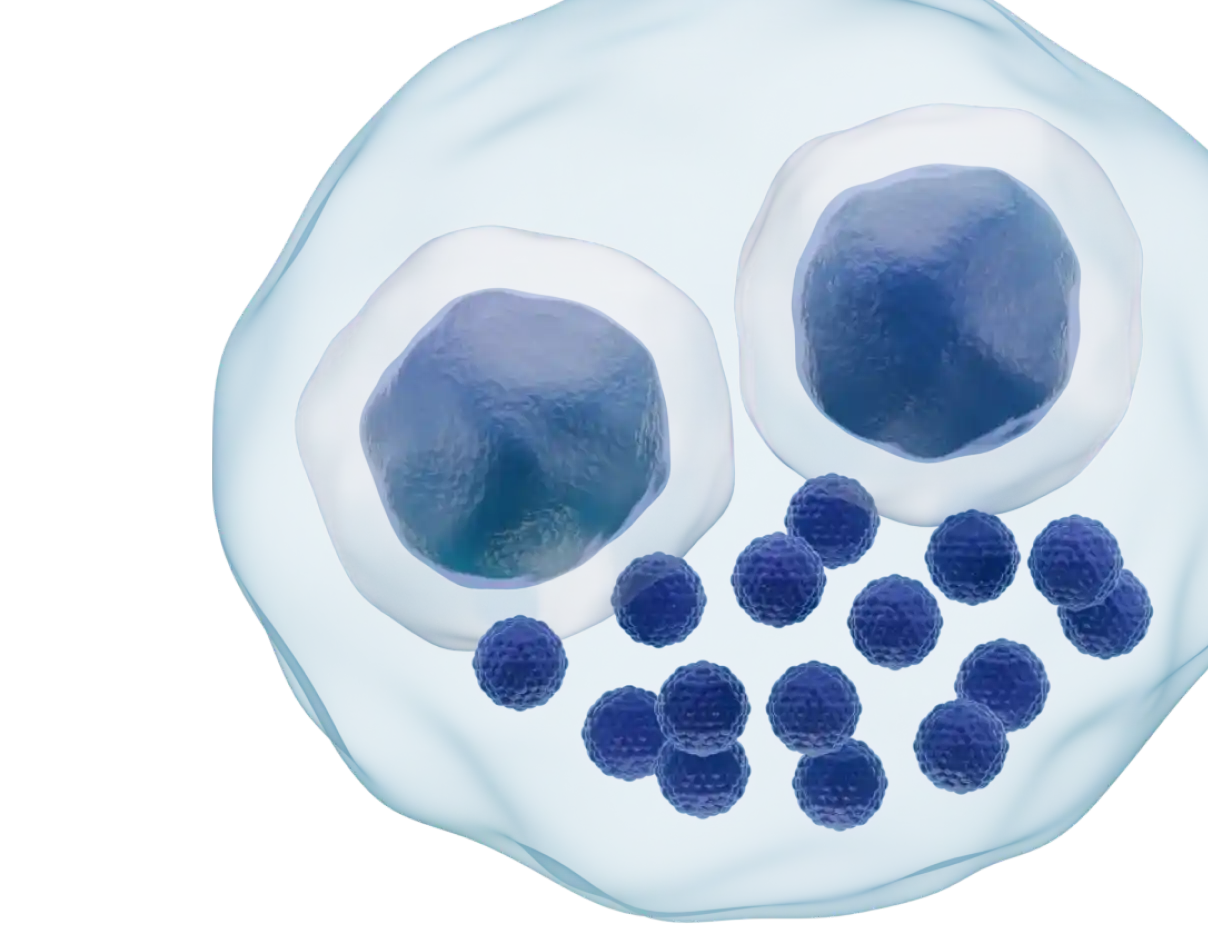
Lymphogranuloma venereum (LGV) is a specific form of Chlamydia trachomatis (types L1, L2, or L3) that spreads through unprotected sexual contact. LGV is less common than typical chlamydia, but it can cause more inflammation and may involve nearby lymph nodes. People with this diagnosis can experience symptoms that progress through three stages.

LGV is a sexually transmitted infection caused by certain bacteria of Chlamydia. These bacteria can affect the genital area or rectum and can spread to nearby lymphatic tissue. LGV is often reported in people with rectal exposure, including men who have sex with men, but it can occur in anyone depending on exposure.

LGV is different from common genital chlamydia, according to Johns Hopkins Medicine. The main differences between LGV and chlamydia include:

  • LGV symptoms are more invasive, affecting more than just the genitals
  • LGV complications and inflammation can be more severe

These differences are because serovars L1, L2, and L3 cause LGV, while D-K cause chlamydia.

How is LGV transmitted?

Sexual contact is how LGV is transmitted. Specifically, the causes of lymphogranuloma venereum include unprotected:

  • Vaginal intercourse
  • Oral sex
  • Anal sex

People are more likely to see a positive LGV diagnostic test if they are:

  • Sexually active and between the ages of 15 and 40
  • A man who has sex with men
  • Someone with an HIV diagnosis

What are stages and symptoms of LGV?

People with an untreated LGV infection tend to go through three stages. According to the Cleveland Clinic, the first LGV symptoms typically appear in 3 to 12 days. However, it can take up to 30 days.

The first stage of LGV is when small fluid-filled blisters appear on the penis or vagina. They may also appear in the mouth or throat. These blisters tend to heal quickly.

The second stage of LGV tends to happen 2 to 6 weeks later. During this stage, you may notice:

  • Swollen, tender lymph nodes that may drain blood or pus. Men experience this in the groin, while it is more common in the pelvis or near the rectum in women.
  • Abdominal pain and constipation
  • Rectal bleeding, discharge, itching, or swelling
  • Body aches and fatigue
  • Headache and fever
  • Back or pelvic pain in women
  • Pain when peeing
  • Weight loss

The third stage of LGV occurs when the infection is left untreated. It is when the following long-term LGV complications can occur:

  • Scars after the sores heal
  • Abscesses and anal fistulas
  • Deformed and swollen genitals
  • Narrowing of the rectum
  • Pelvic floor dysfunction

Lymphogranuloma venereum can also increase the likelihood of catching other STDs. These infections include gonorrhea, syphilis, hepatitis B and C, and HIV.

What are my testing options?

If you're concerned about this infection, discreet LGV STD testing is available. You can choose between two main testing options:

  • In-clinic LGV diagnostic testing
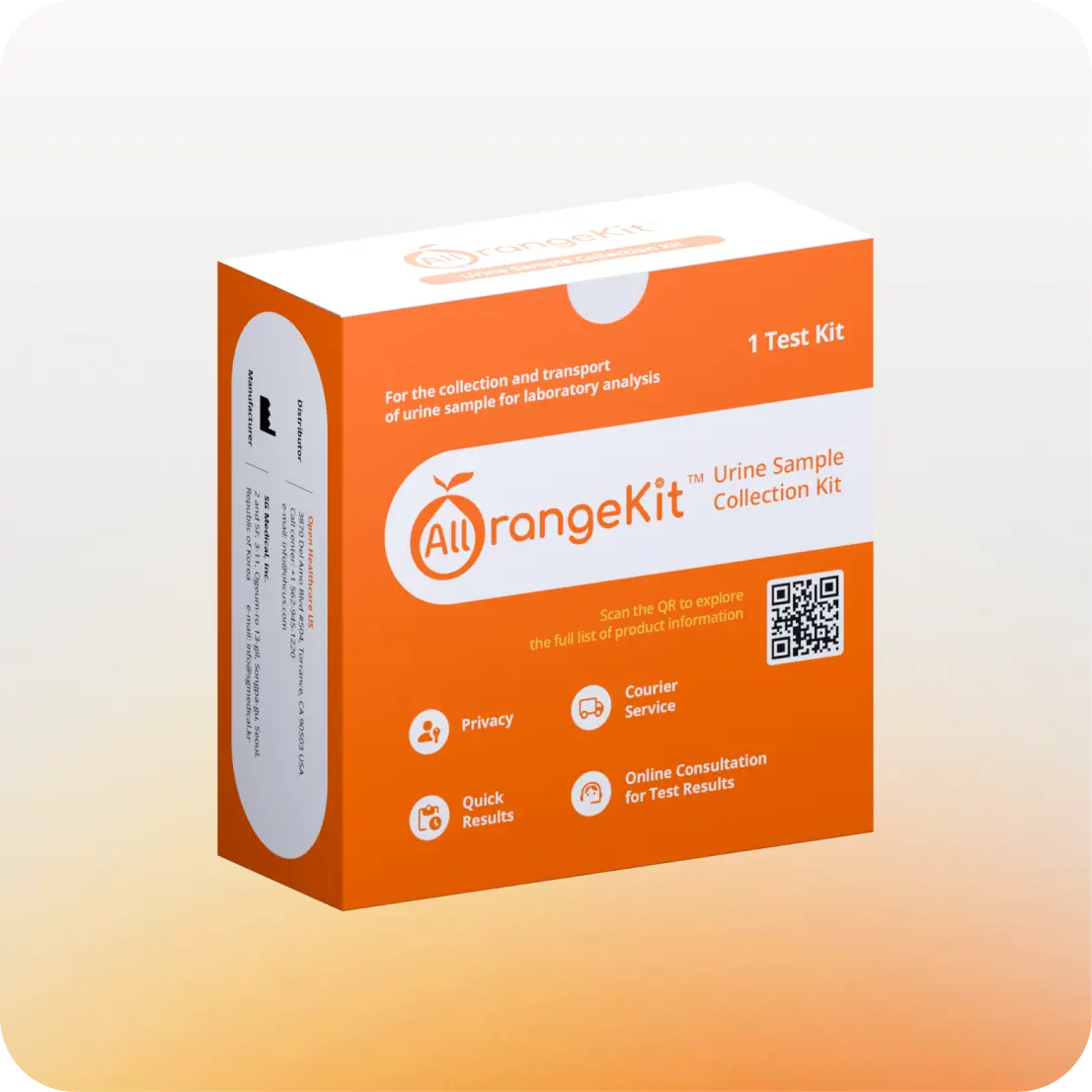
  • An LGV STD test with at-home collection, like the 13-in-1 option from AllrangeKit

It is wise to test for LGV if you have symptoms or have been exposed to someone with it.

When you order from AllrangeKit, you can collect an LGV test sample from the privacy and comfort of your home. You'll follow these steps to test with AllrangeKit:

  • Order your 13-in-1 at-home collection STD test.
  • Collect your urine sample after waking up in the morning.
  • Register for testing services and mail your sample.
  • Review your test results in the AllrangeKit App.
  • Reach out to a clinician if you have a positive diagnosis or any questions.

For enhanced accuracy and reliability, our partner CLIA-certified labs use advanced PCR Multiplex Testing. We work hard to keep your private information secure by following HIPAA.

What should I do next?

  • Follow up with a healthcare provider
  • Complete all prescribed medication
  • Avoid sexual contact until treatment is completed
  • Recent sexual partners may also need testing
  • Additional STI testing may be recommended, as infections can occur together
AllrangeKit™ 13-in-1 Extended STI Test

AllrangeKit™ 13-in-1 Extended STI(STD) Test

$ 109.00

  • Detect major types of sexually transmitted infections (STI): Bacteria, Virus, Parasite
  • 1 Test, 13 Targets: Chlamydia, Gonorrhea, Trichomoniasis, and more
  • Clinically validated, advanced Real-time Multiplex PCR technology
  • Prescription available (additional fee of $30 applies) for Chlamydia, Trichomoniasis, Herpes Type 1 and 2
Free shippingDiscreet packagingFSA/HSA eligible

At AllrangeKit, our at-home collection STD test can provide information about 13 different STIs, including LGV. We aim to provide accurate, easy, and secure STD testing for an affordable price, because everyone deserves to learn about their sexual health.

We invite you to buy your AllrangeKit and take control of your health today. Our support team can also answer your questions about our at-home collection test.

Prevention tips

Use condoms

Limit sexual partners

Regular testing

Transparency

Frequently asked questions

You should test for LGV if you have symptoms of this infection. It's also wise to test if you have been exposed to someone with this diagnosis.

Yes, LGV can cause painful symptoms, including swollen and draining lymph nodes. It can also cause long-term complications like genital deformities, abscesses, and pelvic floor dysfunction.

Yes, LGV can be cured with prompt medical attention and antibiotics.

Sources

Learn more about other panels we test

View all highlights

Chlamydia trachomatis

Chlamydia

Trichomonas vaginalis

Trichomoniasis

Herpes simplex virus Type 1

Oral herpes

Herpes simplex virus Type 2

Genital herpes

Neisseria gonorrhoeae

Gonorrhea

Treponema pallidum

Syphilis

Mycoplasma genitalium

NGU

Mycoplasma hominis

Vaginitis

Ureaplasma urealyticum

Urethritis

Ureaplasma parvum

NGU

Lymphogranuloma venereum

LGV

Haemophilus ducreyi

Chancroid

Cytomegalovirus

CMV infection

Uncertainty doesn't have to last.

Get started