Trichomonas vaginalis

Trichomoniasis, often referred to as trich, is a common but less widely recognized sexually transmitted infection (STI).
While many individuals do not experience symptoms, those who do may find the infection uncomfortable.

Read on to learn more about trichomoniasis test options and treatments.

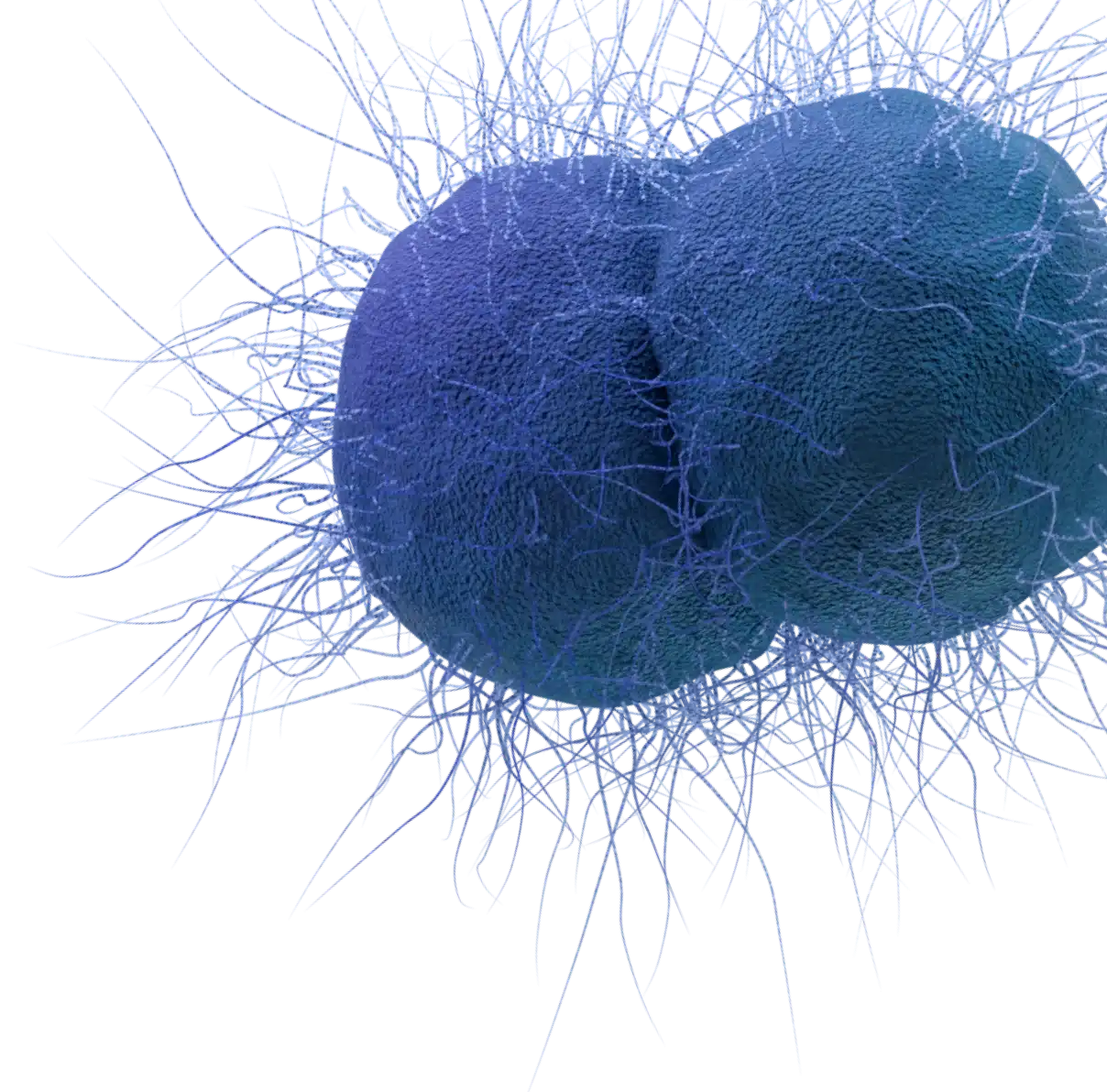
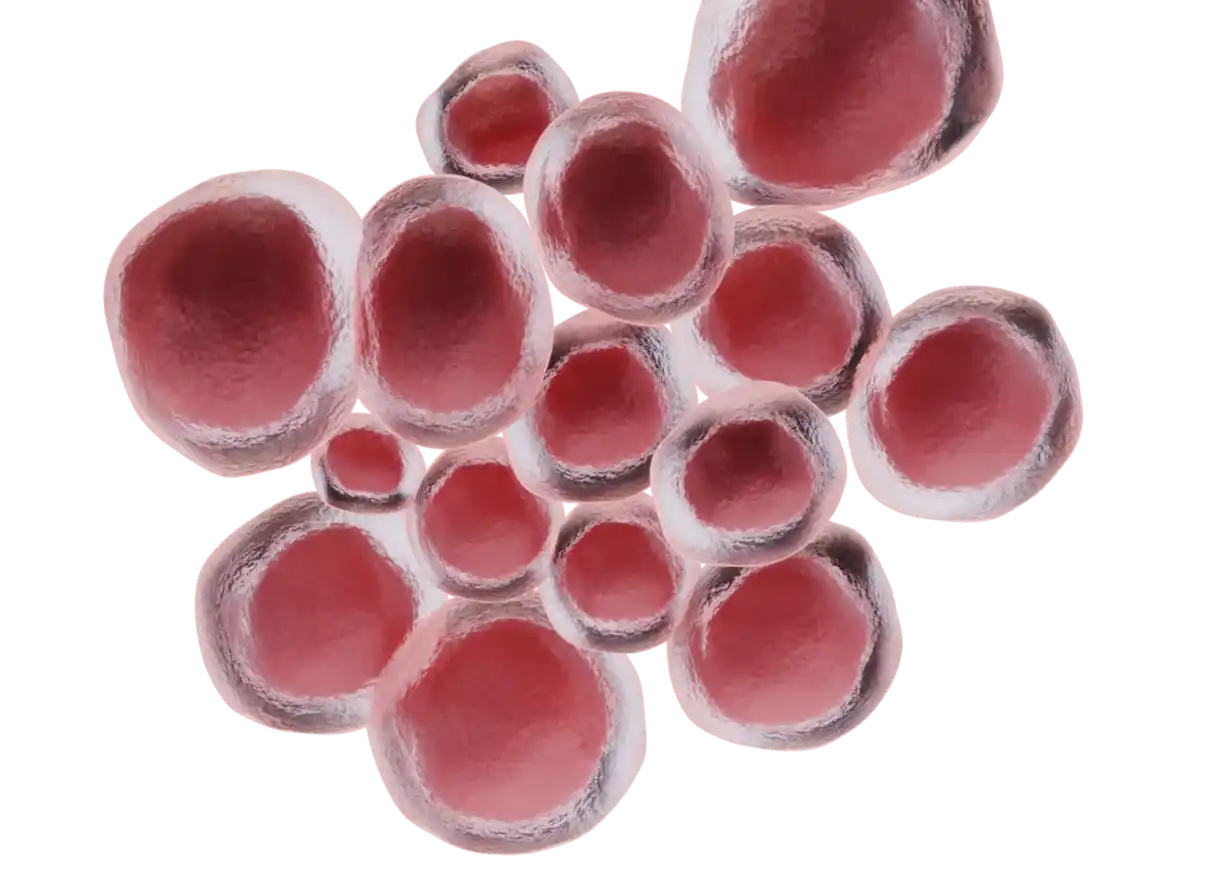
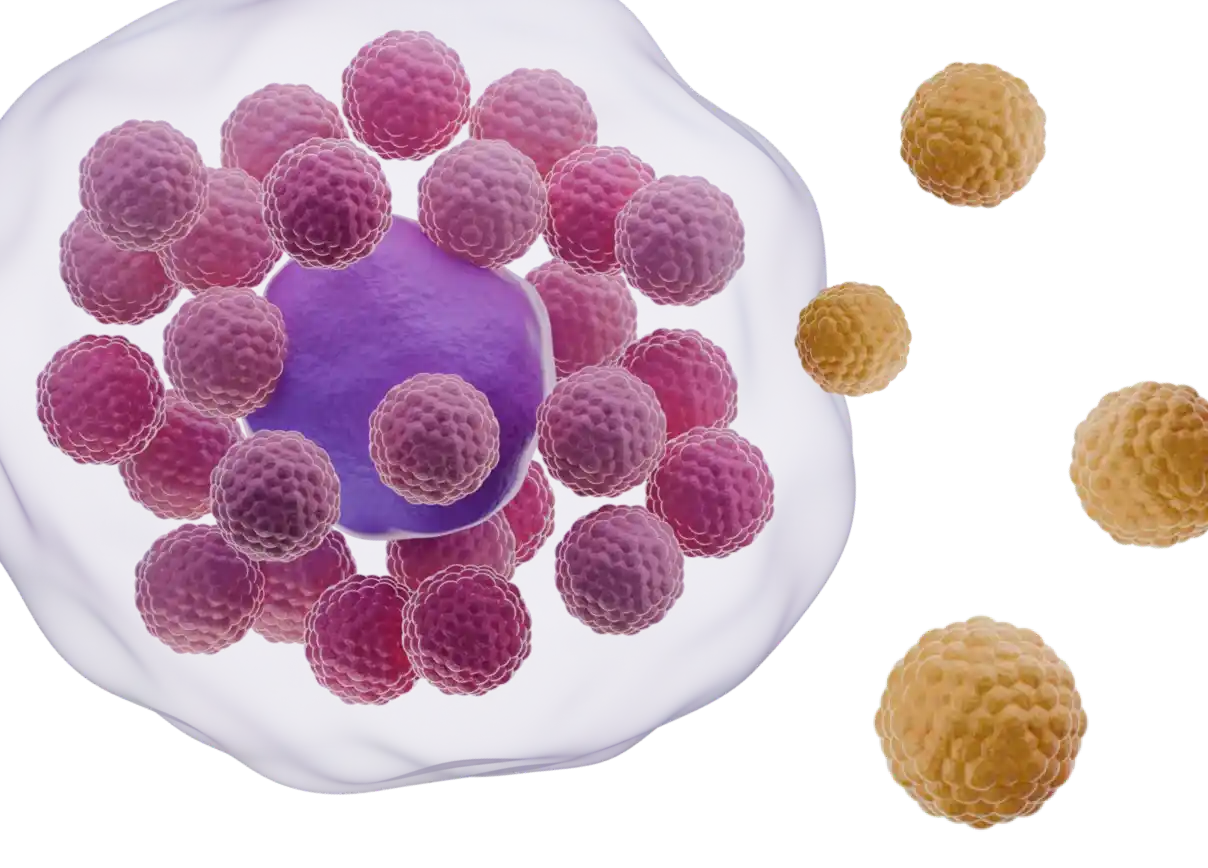
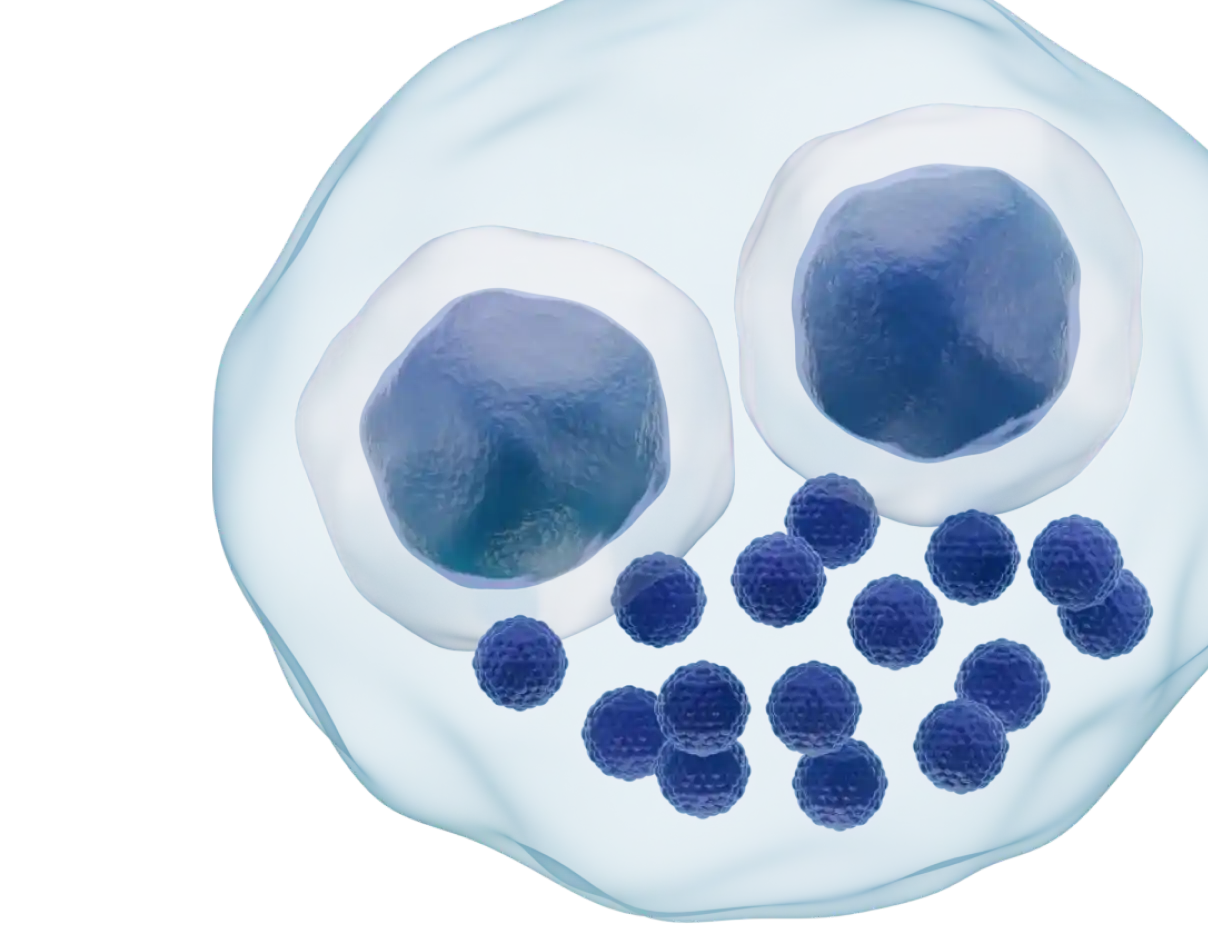
Microscopic view of Trichomonas vaginalis protozoan

Clarity begins with testing.

At-home testing with secure, clinician-reviewed results.

What is Trichomonas vaginalis?

Trichomonas vaginalis is a microscopic parasite that infects the urogenital tract and causes trichomoniasis, a common and treatable sexually transmitted infection (STI). In women, it most commonly affects the vagina and cervix, while in men it typically involves the urethra. Many individuals experience no symptoms, allowing the infection to be carried and transmitted without awareness. Because asymptomatic infection is common, testing remains the most reliable way to detect trichomoniasis and help prevent further transmission.

Trichomoniasis

2.6M

6.9M

Chlamydia

2.4M

4M

Gonorrhea

209,000

1.6M

Prevalence
Incidence

Trichomoniasis is the most common nonviral STI in the world.
According to the Cleveland Clinic, about 3.7 million people in the United States have trichomoniasis. This infection is so common because only about 30% of people have symptoms.

How is trichomoniasis transmitted?

It's important to note that trich does not spread through nonsexual forms of contact like kissing or hand-holding, but can spread through unprotected:

  • Vaginal sex
  • Anal sex
  • Oral sex
  • Genital touching (even without ejaculation)

What symptoms can trichomoniasis cause?

Many people will have no trichomoniasis symptoms. According to the Cleveland Clinic, up to 70% of people never have symptoms. However, in those who do have them, trichomoniasis causes symptoms within 5 to 28 days of exposure.

Women are more likely to experience trich symptoms than men. Some of the most common signs include:

  • Thin or foamy vaginal discharge with an odor and a white, yellow, or green color
  • Irritation or soreness at the vaginal opening
  • Pain during sex or urination

Men don't often have symptoms of trich. However, the patients who do may experience:

  • Frothy discharge from the penis
  • Burning or pain after ejaculation or urination
  • Irritation or itching inside the penis

What are the complications when untreated?

Trichomoniasis can cause more than just uncomfortable symptoms. Untreated trich also has health risks. The biggest is an increased risk of contracting HIV. Women who have both trich and HIV are more likely to pass both infections to their sexual partners. This shows the importance of trichomoniasis tests and treatments.

If left untreated, trichomoniasis can persist and increase the risk of transmitting or acquiring other STIs. In women, ongoing infection may cause inflammation and discomfort over time. Prompt treatment helps clear the infection and reduces the risk of complications and reinfection.

Untreated Infection
Persistent Inflammation
Higher risk of acquiring HIV
Increased transmission risk

When should I get tested for trich?

The best way to get a trichomoniasis diagnosis is by taking a trich test. It is wise to take a trichomoniasis test in the following situations:

  • You have been exposed to someone with trich
  • You're experiencing trichomoniasis symptoms, including vaginal discharge

The Centers for Disease Control (CDC) also suggests annual trich testing for the following groups:

  • People who receive care at STI clinics
  • Those in correctional facilities
  • Asymptomatic women at high risk of trich, including those with multiple partners

What are my testing options?

You have several options for trichomoniasis testing, including clinic testing and an at-home collection trich test. Each option can give you the answers you need about this STI.

  • Clinic testing requires you to visit a clinic for in-person testing
  • Trichomoniasis tests with at-home collection allow you to collect your sample from the comfort of home

Can you test for trich from home?

Trichomoniasis testing with at-home collection is available.
At AllrangeKit, we offer the option to take a private trich test with at-home sample collection.

We work with CLIA-certified labs that use Multiplex PCR Testing for enhanced accuracy.

Our trich test option also comes with easy-to-follow directions that guide you through the testing process.

How to test for trich: A step-by-step guide

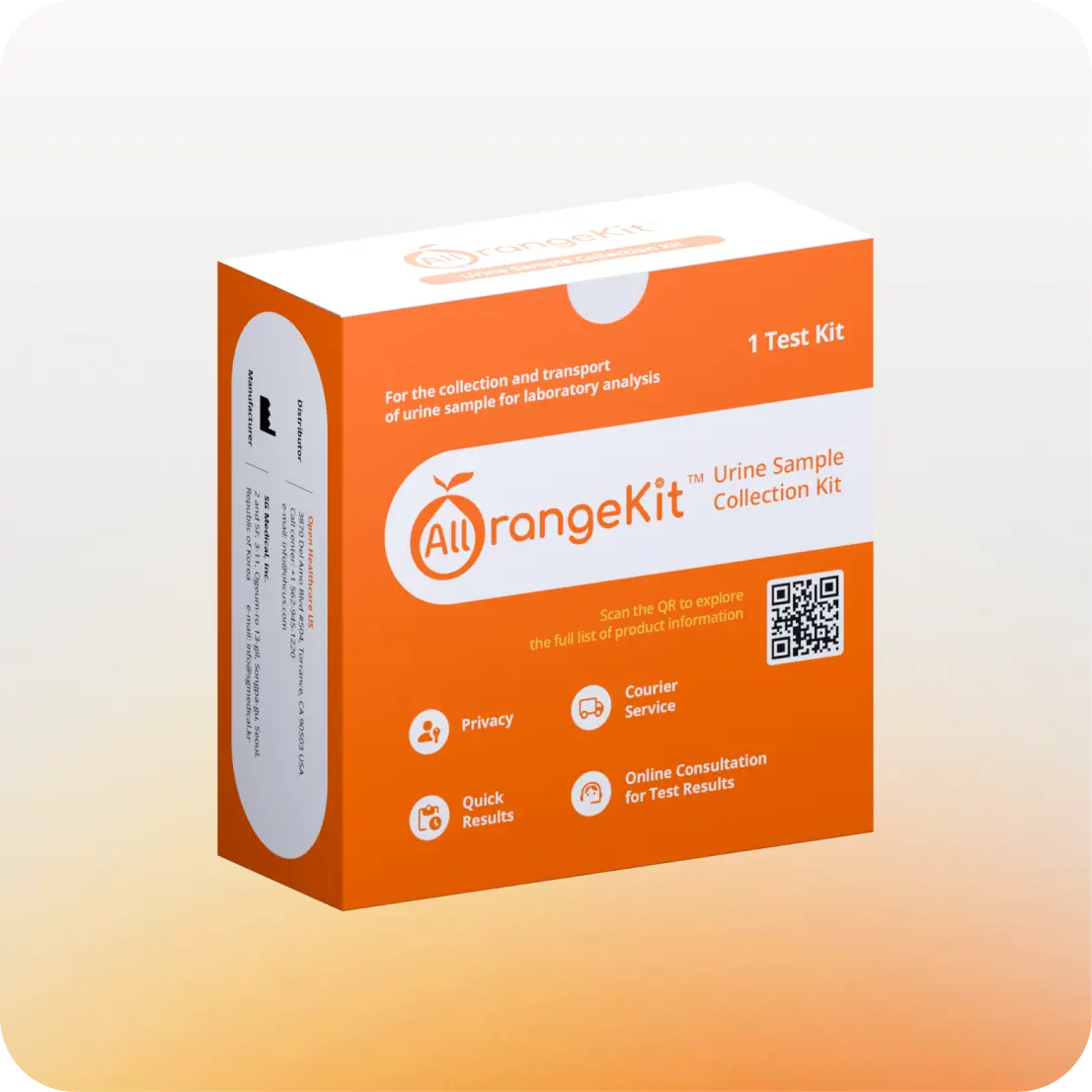
After you buy a trich test from home, you'll wait for your AllrangeKit test materials to arrive. Once you receive them, you'll follow these easy steps:

  • Review all your AllrangeKit materials and read the directions before getting started.
  • Scan the QR code and register your AllrangeKit test.
  • Collect a urine sample in the provided container from AllrangeKit.
  • Ship your sample using the prepaid return label.
  • Review your trich test results at home within a few days.
  • Message a doctor if you have questions or need trichomoniasis treatments.

The process is simple, and the AllrangeKit team is here to help every step of the way.

How is trichomoniasis treated?

If you have a positive test result, know that trich is curable. For your convenience, you can get a prescription from a licensed clinician using the AllrangeKit App.

Trichomoniasis treatment involves a round of oral antibiotics. The most common trichomoniasis medications include metronidazole and tinidazole.

AllrangeKit offers prescription support for Trichomonas vaginalis.

AllrangeKit is here to help you take control of your sexual health. Our 13-in-1 at-home collection test looks for 13 STIs, including trichomoniasis. It relies on CLIA-certified labs that use Multiplex PCR Testing to enhance accuracy.

This private testing option is HIPAA-compliant and makes it easy to get trichomoniasis testing and treatment. We invite you to take the first step and order your test from AllrangeKit today.

What should I do next?

  • Follow up with a healthcare provider
  • Complete all prescribed medication
  • Avoid sexual contact until treatment is completed
  • Recent sexual partners may also need testing
  • Additional STI testing may be recommended, as infections can occur together
AllrangeKit™ 13-in-1 Extended STI Test

AllrangeKit™ 13-in-1 Extended STI(STD) Test

$ 109.00

  • Detect major types of sexually transmitted infections (STI): Bacteria, Virus, Parasite
  • 1 Test, 13 Targets: Chlamydia, Gonorrhea, Trichomoniasis, and more
  • Clinically validated, advanced Real-time Multiplex PCR technology
  • Prescription available (additional fee of $30 applies) for Chlamydia, Trichomoniasis, Herpes Type 1 and 2
Free shippingDiscreet packagingFSA/HSA eligible

At AllrangeKit, our at-home collection STD test can provide information about 13 different STIs, including trichomoniasis. We aim to provide accurate, easy, and secure STD testing for an affordable price, because everyone deserves to learn about their sexual health.

We invite you to buy your AllrangeKit and take control of your health today. Our support team can also answer your questions about our at-home collection test.

Prevention tips

Use condoms

Limit sexual partners

Regular testing

Transparency

Frequently asked questions

Trichomoniasis spreads through unprotected sex with someone who has the STI. It can spread through vaginal, anal, or oral sex, as well as genital touching.

Trich doesn't cause symptoms in up to 70% of people. However, it can cause abnormal discharge and burning, pain, and itching in the genitals.

Yes, trich is curable with the right antibiotics. The most common trichomoniasis medications include metronidazole and tinidazole.

Yes, AllrangeKit offers an at-home collection test that can identify trich and 12 other STIs.

AllrangeKit believes in the importance of trich test accuracy. That's why we work with CLIA-certified labs that use advanced Multiplex PCR Testing.

Sources

Learn more about other panels we test

View all highlights

Chlamydia trachomatis

Chlamydia

Trichomonas vaginalis

Trichomoniasis

Herpes simplex virus Type 1

Oral herpes

Herpes simplex virus Type 2

Genital herpes

Neisseria gonorrhoeae

Gonorrhea

Treponema pallidum

Syphilis

Mycoplasma genitalium

NGU

Mycoplasma hominis

Vaginitis

Ureaplasma urealyticum

Urethritis

Ureaplasma parvum

NGU

Lymphogranuloma venereum

LGV

Haemophilus ducreyi

Chancroid

Cytomegalovirus

CMV infection

Uncertainty doesn't have to last.

Get started