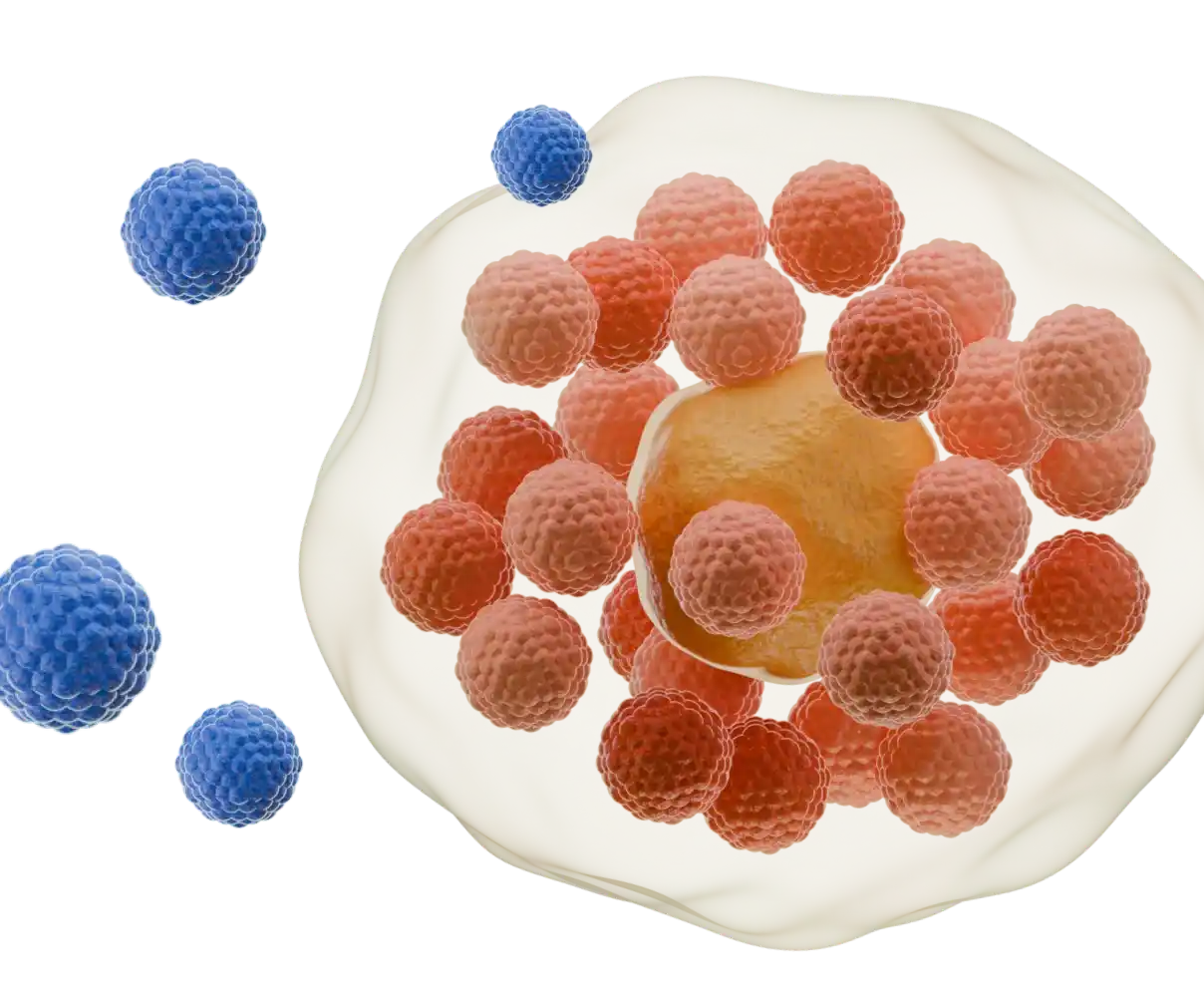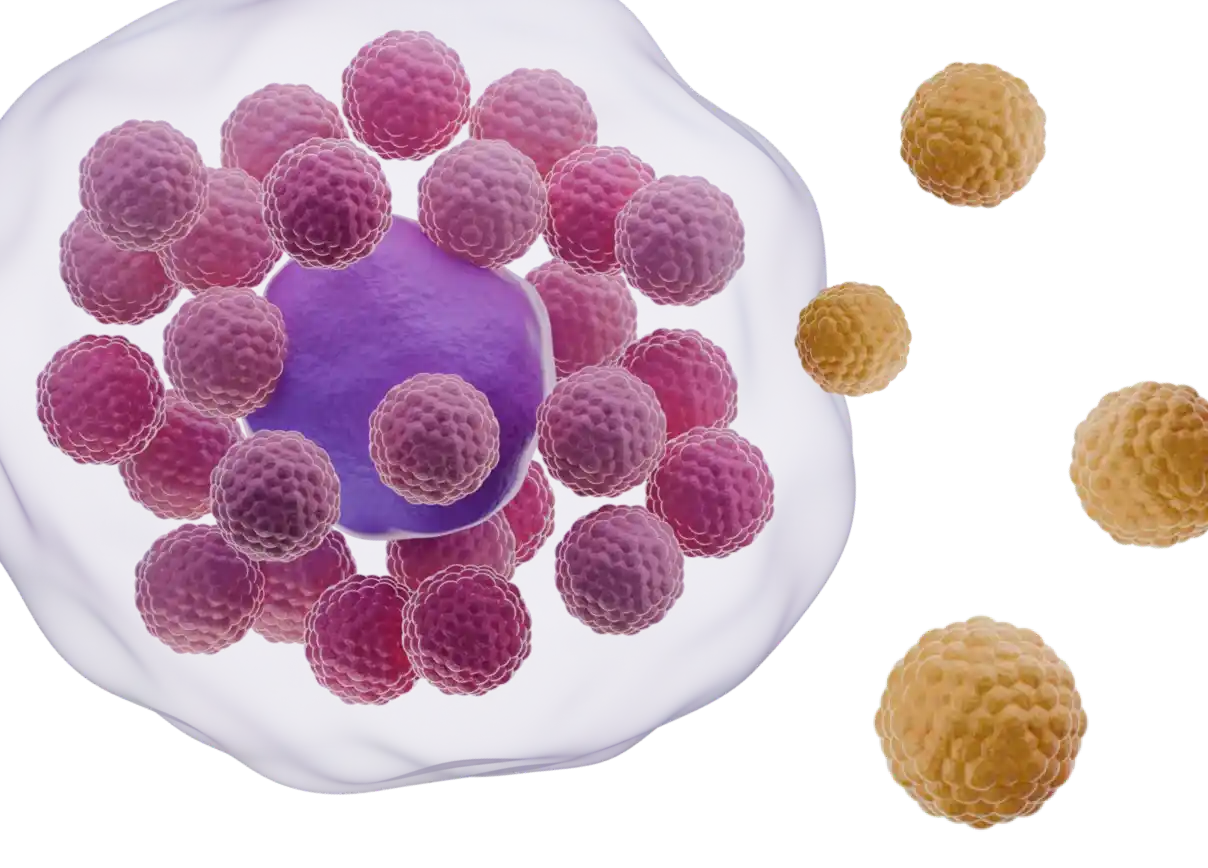
Haemophilus ducreyi

CausesChancroid

Haemophilus ducreyi bacteria causes a sexually transmitted infection (STI) called chancroid.
While this infection is highly contagious, it is curable.

Read on to learn about everything from chancroid symptoms to testing options.

Haemophilus ducreyi information

Clarity begins with testing.

At-home testing with secure, clinician-reviewed results.

What is Haemophilus ducreyi?

Haemophilus ducreyi bacteria can spread through unprotected sexual contact. It can also spread through non-sexual touching of an infected sore.

This bacteria is associated with chancroid, a sexually transmitted infection that can cause genital sores. When chancroid is symptomatic, symptoms are usually noticeable, especially because sores can be painful. People with this diagnosis also experience swelling in the groin's lymph nodes. This type of swelling happens in less than 50% of cases, according to the CDC.

Untreated chancroid causes more than just painful symptoms. It can also increase the risk of transmitting and acquiring HIV. As a result, it's important to get an accurate chancroid diagnosis.

How is chancroid transmitted?

Chancroid spreads through both sexual and non-sexual contact. In terms of sexual contact, this infection spreads through:

  • Vaginal intercourse
  • Oral sex
  • Anal sex

This infection can also spread through any other type of contact with an infected sore.

Safe sex is the best way to prevent the spread of this infection. This involves:

  • Using latex condoms during vaginal and anal sex
  • Relying on dental dams during oral sex

Limiting sexual partners and routine chancroid testing can also help with prevention.

What symptoms can chancroid cause?

A chancroid causes two main symptoms. Both affect the genital areas and include:

  • Open and draining genital sores that cause pain
  • Swollen and painful lymph nodes in the groin (inguinal lymphadenitis)

According to the Minnesota Department of Health, these symptoms can start within 4 to 10 days of exposure.

What are the complications when untreated?

Developing painful sores and lymph node swelling aren't the only risks of chancroid. Other risks of this infection include:

  • Greater risk of transmitting or acquiring HIV through sex.
  • Destruction of the foreskin tissue on the penis.

Genital sores can also become more easily infected with other types of germs.

When should I get tested for chancroid?

You might want to order a chancroid test if you have:

  • Symptoms of this STI (genital sores and/or swollen lymph nodes in the groin)
  • Had sex with someone who has this infection.

What are my testing options?

A chancroid diagnostic test is the best way to diagnose this infection.

Two main testing methods are available, including:

  • An in-clinic chancroid STD test
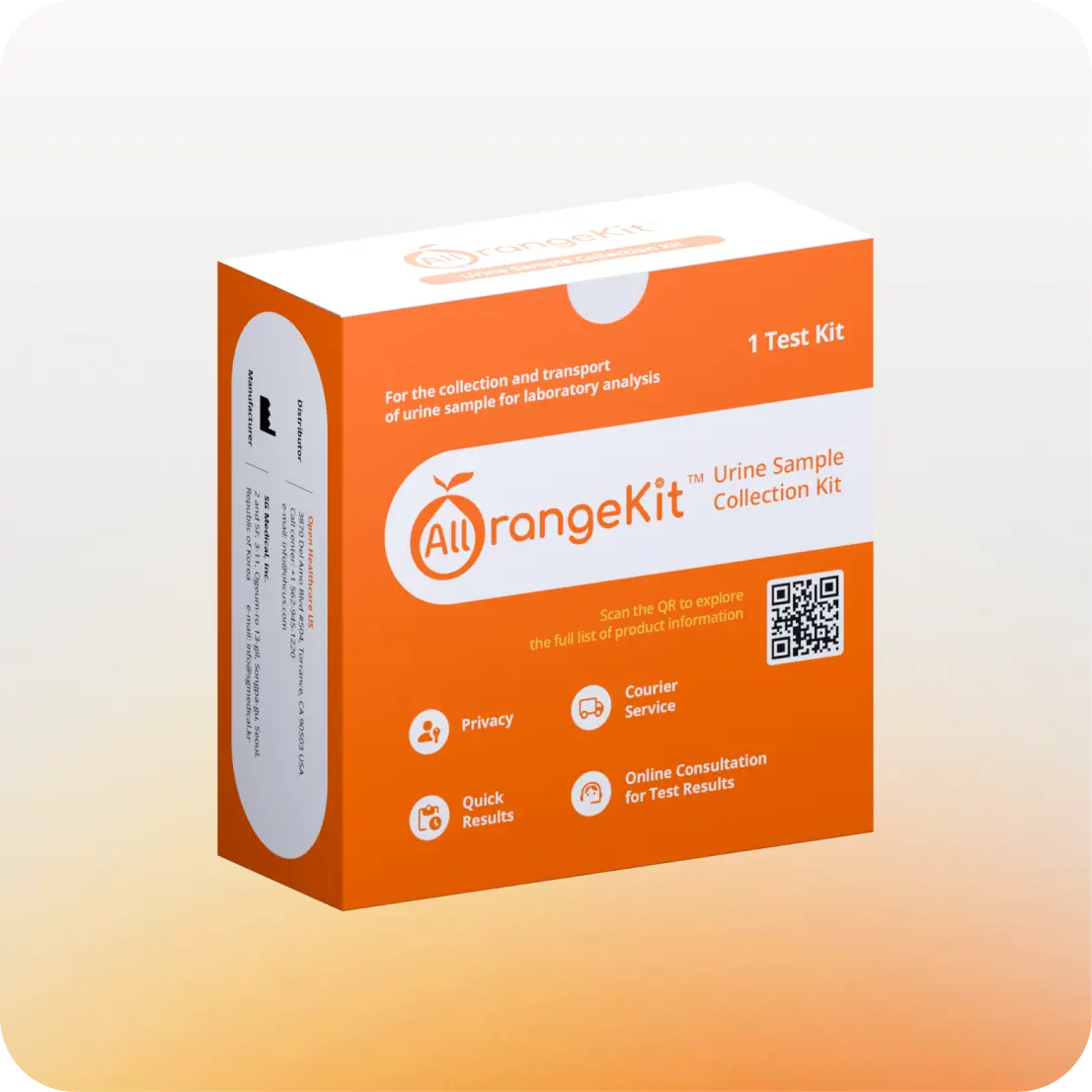
  • An at-home collection chancroid test, like the one from AllrangeKit

Some forms of testing use a urine sample, while others test a swab from a genital sore.

AllrangeKit™ 13-in-1 Extended STI Test

AllrangeKit™ 13-in-1 Extended STI(STD) Test

$ 109.00

  • Detect major types of sexually transmitted infections (STI): Bacteria, Virus, Parasite
  • 1 Test, 13 Targets: Chlamydia, Gonorrhea, Trichomoniasis, and more
  • Clinically validated, advanced Real-time Multiplex PCR technology
  • Prescription available (additional fee of $30 applies) for Chlamydia, Trichomoniasis, Herpes Type 1 and 2
Free shippingDiscreet packagingFSA/HSA eligible

With the discreet chancroid testing from AllrangeKit, you can collect your test sample from the comfort of home.

These easy steps can help you get the information you need about this infection:

  • Order your 13-in-1 AllrangeKit that tests for chancroid.
  • Review your at-home collection test upon arrival.
  • Collect your urine sample first thing in the morning.
  • Register for testing services before mailing your sample.
  • Review your test results in the AllrangeKit App.
  • Message a clinician with any questions.

For your peace of mind, our partner CLIA-certified labs use advanced PCR Multiplex Testing. This type of testing offers enhanced accuracy and reliability.

You can also feel confident that your private information will remain that way, thanks to our commitment to upholding HIPAA standards.

What should I do next?

  • Follow up with a healthcare provider
  • Be aware of early symptoms (such as tingling or itching) that may signal an outbreak
  • Avoid sexual contact during active outbreaks
  • Consider additional STI testing, as infections can occur together

Prevention tips

Use condoms

Limit sexual partners

Regular testing

Transparency

Frequently asked questions

Chancroid symptoms can appear 4 to 10 days after exposure.

Yes, AllrangeKit's HIPAA-compliant at-home collection STD test strives to keep your medical information and results private.

No, you do not need a prescription to order an at-home collection STI test kit from AllrangeKit.

Sources

Learn more about other panels we test

View all highlights

Chlamydia trachomatis

Chlamydia

Trichomonas vaginalis

Trichomoniasis

Herpes simplex virus Type 1

Oral herpes

Herpes simplex virus Type 2

Genital herpes

Neisseria gonorrhoeae

Gonorrhea

Treponema pallidum

Syphilis

Mycoplasma genitalium

NGU

Mycoplasma hominis

Vaginitis

Ureaplasma urealyticum

Urethritis

Ureaplasma parvum

NGU

Lymphogranuloma venereum

LGV

Haemophilus ducreyi

Chancroid

Cytomegalovirus

CMV infection

Uncertainty doesn't have to last.

Get started