


Urinary Tract Infections

Everything you need to know about UTIs
Urinary tract infections information

Clarity begins with testing.

At-home testing with secure, clinician-reviewed results.

What is UTI?

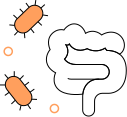
Urinary tract infection (UTI) is an infection caused by bacteria or fungi that enter and multiply in the urinary system (kidneys, ureters, bladder, urethra). It can occur in any part of the urinary tract.

Where does UTI occur?

Diagram of the male and female urinary tract showing upper and lower regions, with kidneys, ureters, bladder, prostate, and urethra labeled

UTI can start anywhere in the urinary tract, and where it starts matters.

Lower UTI affects the bladder and urethra, and is the most common form of UTI. Typical symptoms include a burning or painful sensation when urinating, more frequent and urgent trips to the bathroom, and a feeling that you never quite finish. You may also notice changes in your urine such as cloudiness, an unusual odor, or occasionally blood.

Upper UTIaffects the ureters and kidneys, and tends to be more serious. If you're experiencing fever, chills, or pain in your back or side, the infection may have traveled further up the urinary tract. Nausea and vomiting can also occur. These symptoms are a sign to get checked sooner rather than later.

How is UTI transmitted?

1

External Bacteria & Gut Microbiome

2

Entry through Urethra

3

Settles in Bladder

4

Symptoms Appear

5

May spread to Upper Tract

Most UTIs start in the lower tract, where bacteria enter through the urethra and settle in the bladder. In some cases, the infection can travel further up to the ureters and kidneys. When that happens, you may notice additional symptoms like fever, chills, flank pain, nausea, or a feeling that things are getting worse quickly. Note that in some cases, infection can also reach the kidneys through the bloodstream rather than ascending from the bladder.

Defense mechanisms

The urinary tract is not a simple a passage for urine. It has multiple natural defense mechanisms against infection. When these mechanisms are well-maintained, microorganisms have difficulty taking hold. However, disruptions in flow, drainage, or the urinary environment can increase infection risk.

1. Complete Bladder Emptying

  • Fully emptying the bladder leaves bacteria less time to linger.
  • Holding urine or incomplete emptying gives bacteria a chance to settle.
  • Residual urine and voiding dysfunction can increase UTI risk.

2. One-Way Flow

  • Urine normally flows downward, helping prevent bacteria from traveling up.
  • Obstructions or reflux can disrupt this flow and increase infection risk.
  • Catheters can create a direct pathway for bacteria to enter the urinary tract.

3. Urinary Environment

  • The urinary lining naturally resists bacterial attachment and growth.
  • Irritation or environmental changes can alter the pathogen profile.
  • Recurrent infections or risk factors may involve less common pathogens.

Symptoms

UTI may start as mild urinary discomfort, but depending on accompanying symptoms and context, it can indicate upper tract infection (kidney) or a more complex situation.

Early

Burning urination & Frequency

Progressing

Lower abdominal discomfort, possible blood in urine

Upper UTI warning

Possible fever, chills, flank pain, vomiting

Common Symptoms

  • Burning or pain when you pee
  • Needing to go more often than usual
  • Sudden, hard-to-ignore urges
  • Feeling like you never quite finish
  • Pressure or discomfort in your lower belly
  • Cloudy, dark, or bad-smelling urine

Warning Signs

  • Fever and chills
  • Pain on one side of your back or side
  • Nausea and vomiting
  • Symptoms getting worse quickly
  • Confusion or disorientation (especially in older adults)
  • Any urinary symptoms during pregnancy

Easy to Overlook

  • Negative dipstick but symptoms won't go away
  • No bacteria found on culture, yet something still feels off
  • Mild discomfort that keeps coming back
  • Recurring episodes with no clear explanation
  • Symptoms that return after finishing antibiotics

Risk factors

UTI risk varies by individual. In certain situations, infection may occur more easily, and considering risk factors alongside symptoms is helpful.

Anatomy

Shorter urethra makes ascending migration into the urinary tract easier.

Sexual Activity

In some individuals, may be associated with increased infection risk.

Pregnancy

Urinary tract changes make infection management more important, including asymptomatic bacteriuria.

Peri/Postmenopausal Changes

Hormonal changes can thin the urinary lining, making it easier for bacteria to take hold.

Catheter Use

Catheters create a direct pathway for external bacteria to enter the urinary tract.

Stones / Obstruction

Blocked urine flow can allow bacteria to linger and multiply, sometimes accompanied by pain or blood in the urine.

Residual Urine / Voiding Dysfunction

If the bladder doesn't empty fully, bacteria have more opportunity to settle and grow.

Diabetes / Immunosuppression

A weakened immune system makes it harder to fight off infection, and can lead to more severe UTIs.

Are all UTIs the same infection?

UTIs may all appear similar, but their significance can differ depending on who is affected and what the underlying cause is.

Why Is It Important to Distinguish Types?

Even when symptoms like painful urination look the same, the cause of infection and required evaluation can differ based on health status and risk factors. Understanding UTI by its type, rather than treating it as a single entity, can therefore be helpful.

Common UTI

The most common type, usually starting as a lower tract infection in otherwise healthy adults.

Escherichia coli

The most common cause of UTIs

Staphylococcus saprophyticus

Often seen in younger women

Klebsiella pneumoniae

A common germ found in everyday UTIs

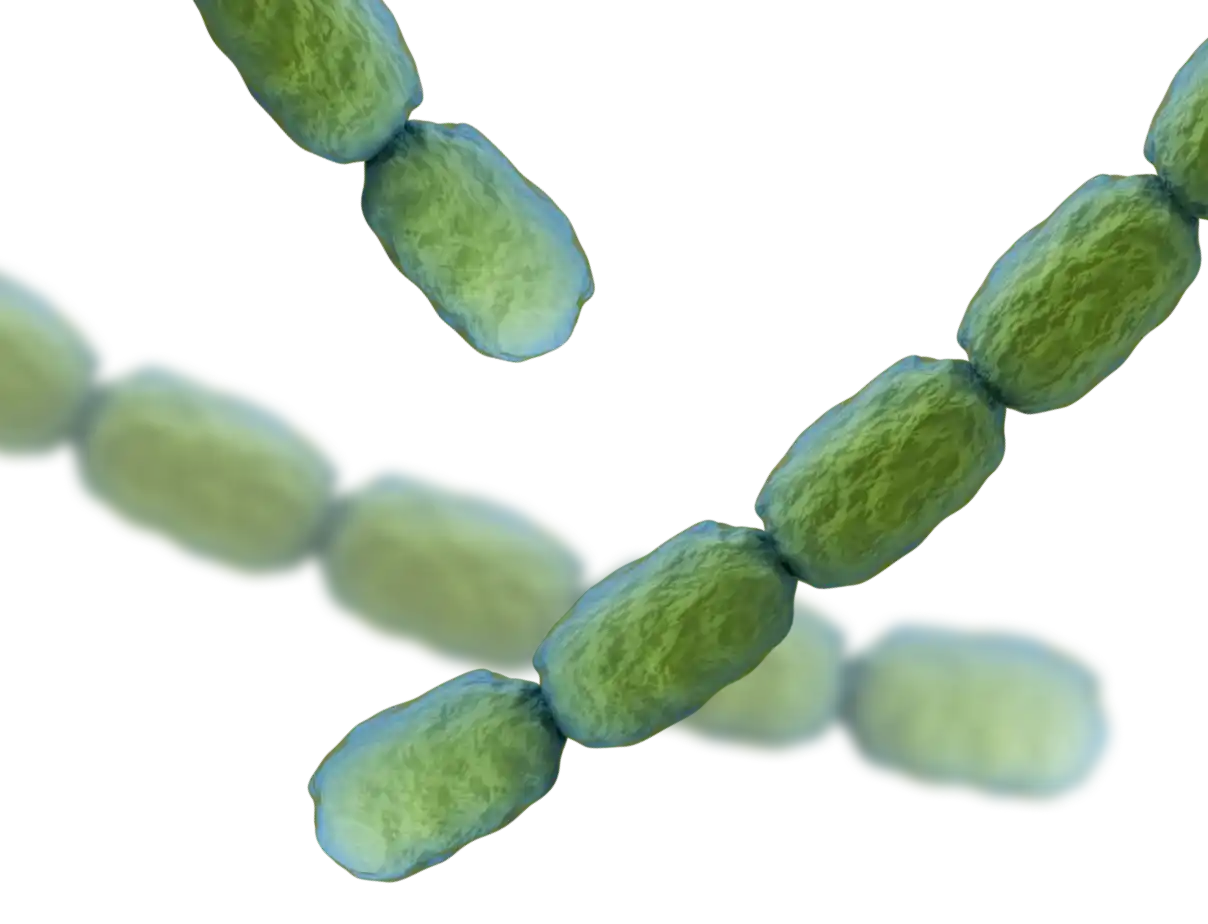
Enterococcus faecalis

Gut germ that can spread to the urinary tract

Klebsiella oxytoca

Reported in certain UTI cases

Streptococcus agalactiae (GBS)

Common in diabetes or chronic illness

Proteus mirabilis

Can be linked to kidney stones

Streptococcus anginosus

Occasionally found in bladder infections

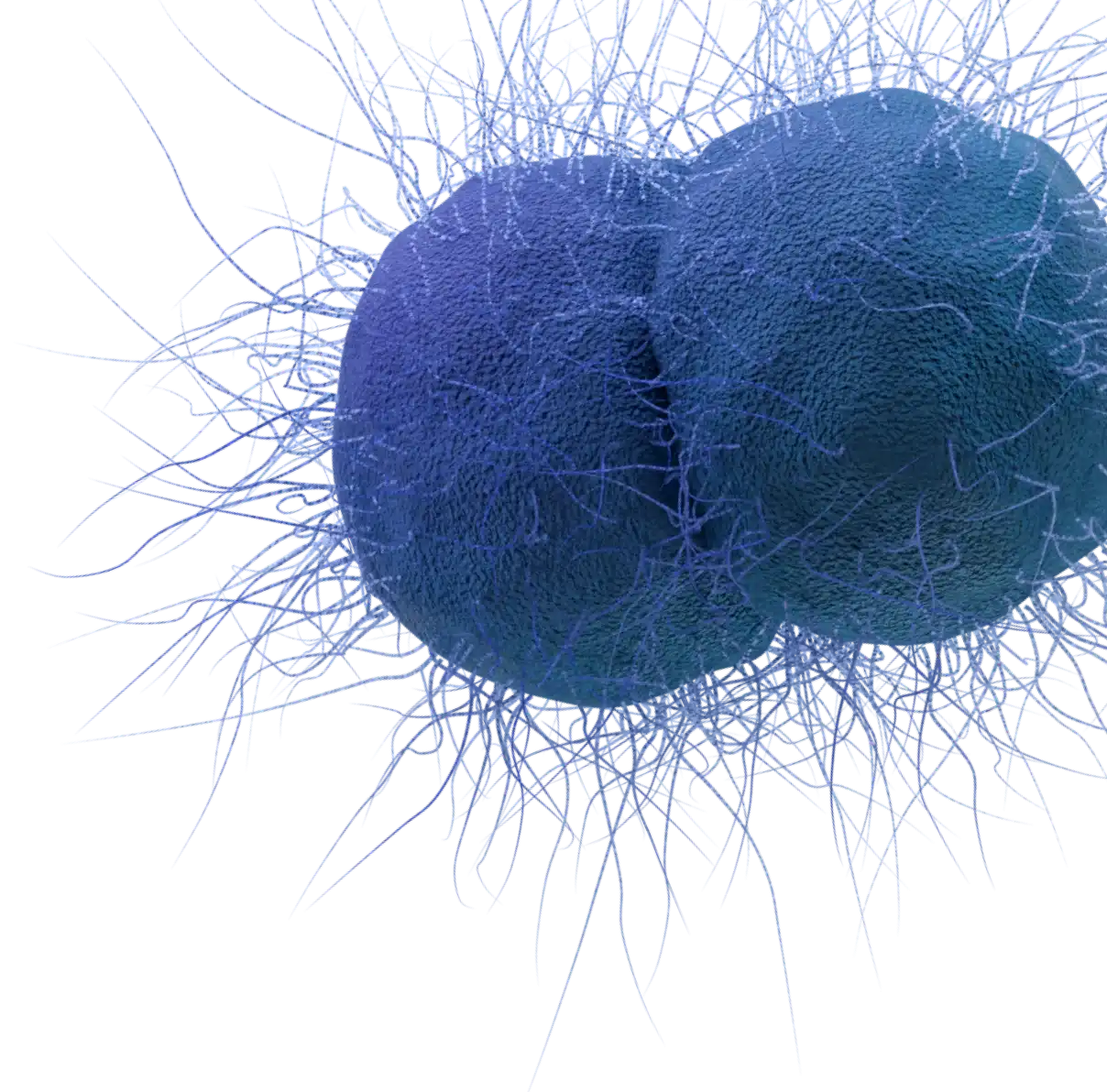
Escherichia coli bacteria

E. coli is the most common cause of UTI, responsible for 80–90% of community-acquired cases. It lives naturally in the gut, but when it migrates to the urinary tract, it can attach to the bladder lining and cause infection. A specific strain called uropathogenic E. coli (UPEC) is behind most of these cases.

Journal of Pure and Applied Microbiology, 2024

When should testing be done?

UTI symptoms can range from mild discomfort to more serious signs of infection. While some cases may resolve on their own, others can progress quickly or involve pathogens that standard testing might miss. Getting tested sooner rather than later helps identify the exact cause, which makes treatment more targeted and effective, especially if symptoms keep coming back or aren't responding to antibiotics.

Consider testing if you have:

  • Typical UTI symptoms like painful urination, frequency, urgency, or lower abdominal discomfort
  • Symptoms that keep coming back or don't go away after treatment
  • Fever, chills, flank pain, or vomiting alongside urinary symptoms
  • Any urinary symptoms during pregnancy
  • A catheter in place or recent catheter use
  • Suspected stones or urinary blockage
  • An underlying condition or weakened immune system
  • Severe pain, significant blood in urine, or a general feeling that things are getting worse quickly

How testing works:

  1. Symptom and medical history review
  2. PCR test or urine culture
  3. Pathogen identification
  4. Treatment plan based on results

What your provider will look at:

  • When symptoms started, whether fever or flank pain is present, pregnancy status, and history of recurrent infections
  • General condition and abdominal or flank tenderness if needed
  • Urinalysis to identify signs of inflammation or infection

In recurrent or complicated cases, additional testing may include:

  • Antibiotic susceptibility testing to determine which antibiotics will actually work
  • Imaging if a structural issue or other cause is suspected
  • Blood culture if the infection may have entered the bloodstream

Results should always be read alongside symptoms, not just as a positive or negative. In recurrent or complicated cases, identifying the exact pathogen matters more than a simple yes or no answer.

How should UTI be prevented and managed?

Small daily habits can make a difference in reducing your risk.

  • Stay hydrated to help keep urine flowing
  • Avoid holding urine for long periods
  • Try to empty your bladder fully each time
  • Be cautious with scented or irritating products like cleansers and douches
  • If infections keep coming back, identifying the underlying cause matters more than lifestyle changes alone

Treatment

Most UTIs are treated with antibiotics. Completing the full course is important even if symptoms improve early, as stopping too soon can allow the infection to return. How quickly symptoms resolve can vary from person to person.

Prevention tips

Stay Hydrated

Drink plenty of water

Don't Hold

Go when you need to

Empty Fully

Empty your bladder fully

Wipe Thoroughly

Clean after using the bathroom

Urinate After Sex

Helps flush out bacteria

Avoid Irritating Products

Cautious around genital area

What should I do next?

  • Follow up with a healthcare provider
  • Be aware of early symptoms (such as tingling or itching) that may signal an outbreak
  • Avoid sexual contact during active outbreaks
  • Consider additional STI testing, as infections can occur together
AllrangeKit™ 13-in-1 Extended STI Test
Product sub 1
Product sub 2
Product sub 3
Product sub 4

13-in-1 Extended STI(STD) Test

$ 109.00

  • Detect major types of sexually transmitted infections (STI): Bacteria, Virus, Parasite
  • 1 Test, 13 Targets: Chlamydia, Gonorrhea, Trichomoniasis, and more
  • Clinically validated, advanced Real-time Multiplex PCR technology
  • Prescription available (additional fee of $30 applies) for Chlamydia, Trichomoniasis, Herpes Type 1 and 2
Free shippingDiscreet packaging
FSA/HSA eligible

At AllrangeKit, our at-home collection UTI test detects 27 different pathogens and screens for 8 antimicrobial resistance (AMR) markers, giving you a comprehen. At AllrangeKit, our at-home collection UTI test detects 27 different pathogens and screens for 8 antimicrobial resistance (AMR) markers, giving you a comprehensive picture of what's actually behind your symptoms and whether standard antibiotics are likely to work.

Take control of your health today with AllrangeKit. Our support team is here to answer any questions you have about our at-home collection test.

Frequently asked questions

Mild cases occasionally resolve on their own, but most UTIs require antibiotics. Leaving it untreated risks the infection spreading to the kidneys, which is more serious.

Recurrent UTIs can be caused by biofilm-forming bacteria, antibiotic resistance, incomplete bladder emptying, or pathogens that standard culture tests miss entirely.

Standard culture misses certain pathogens that require special conditions to grow. This is known as sterile pyuria, and it does not mean there is no infection.

No. While women are more commonly affected due to anatomy, men can get UTIs too, especially older adults, catheter users, or those with prostate issues.

Fever, chills, flank or back pain on one side, and nausea or vomiting alongside urinary symptoms are signs the infection may have moved to the upper tract and needs prompt evaluation.

The evidence is mixed. Some studies show a modest benefit in reducing recurrence, but it is not a reliable substitute for medical evaluation or treatment.

Learn more about other panels we test

View all highlights

Uncertainty doesn't
have to last.

Get started