Escherichia coli (E. coli)

CausesUTI

E. coli is the most common cause of UTI, responsible for 80–90% of community-acquired cases. But when it keeps coming back, it can be more complex than it looks.

Escherichia coli information

Clarity begins with testing.

At-home testing with secure, clinician-reviewed results.

What is E. coli?

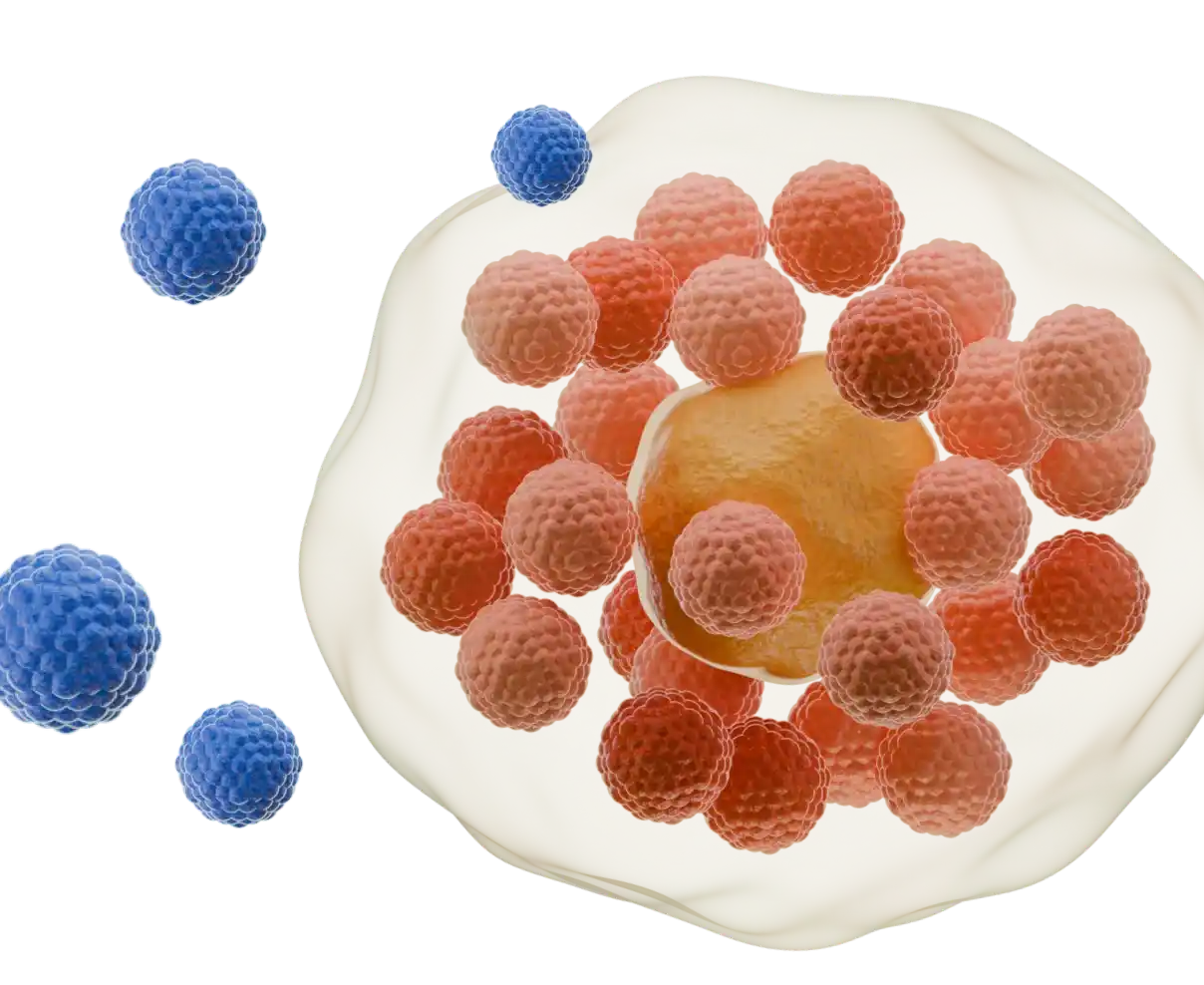
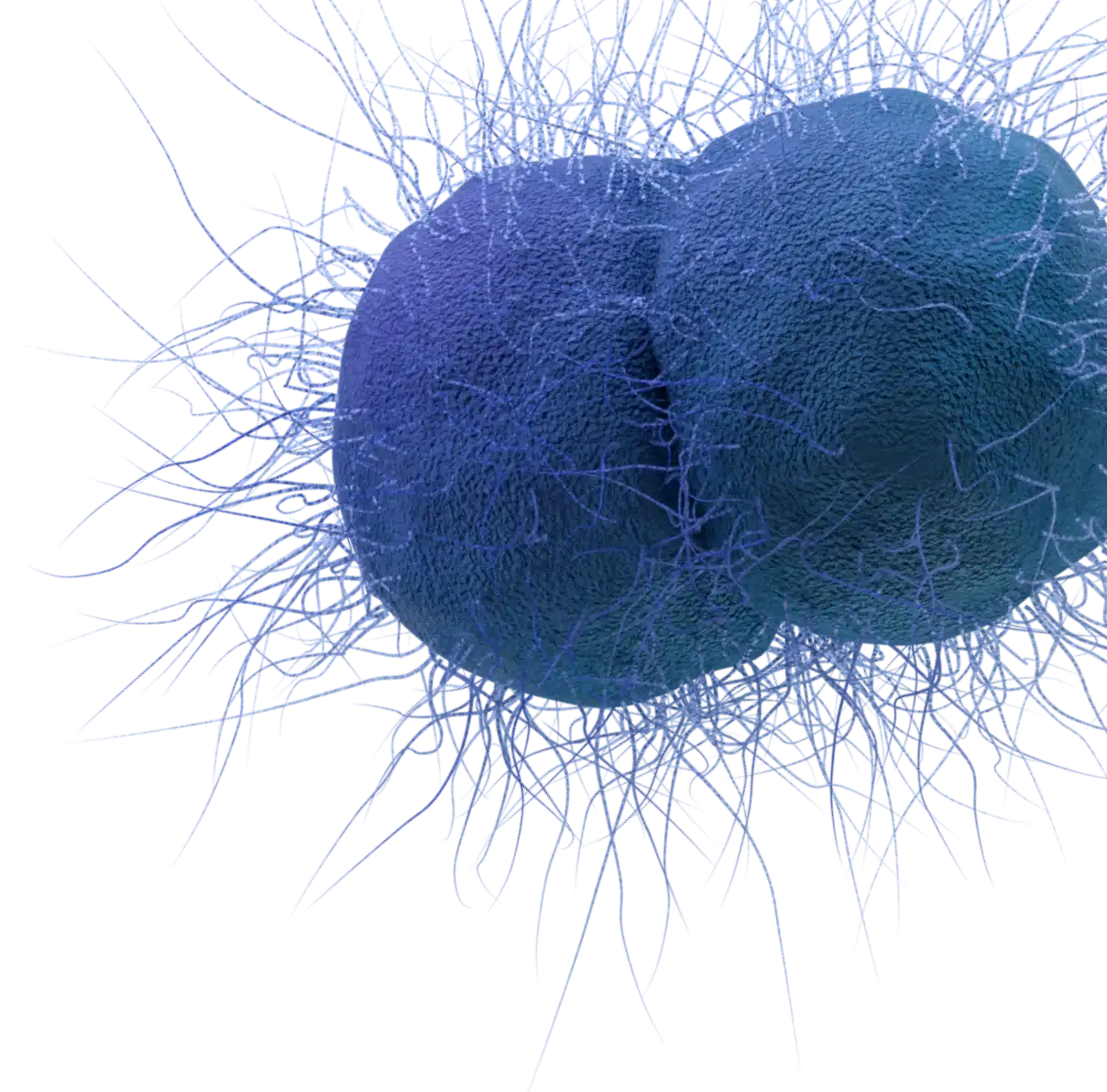
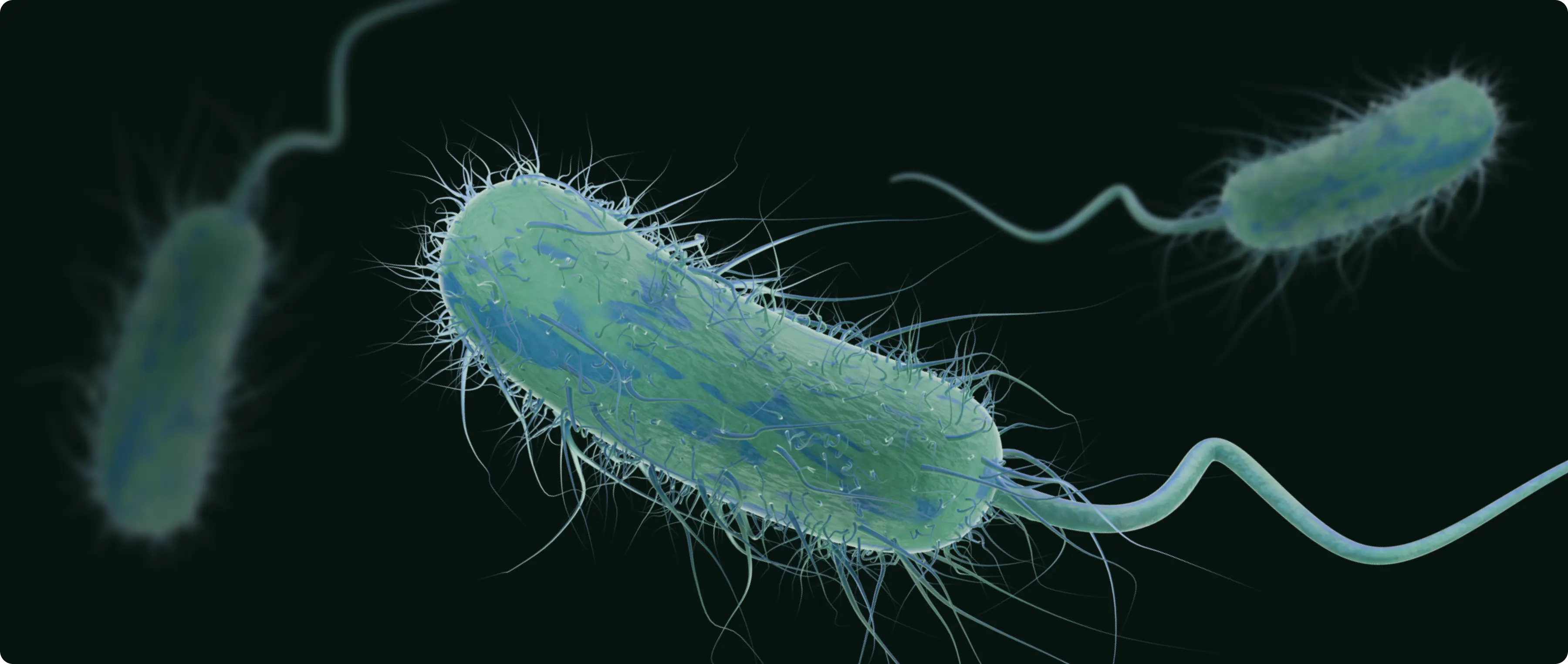
Escherichia coli (E. coli) is a bacteria that lives naturally in the human gut. Under normal circumstances it is harmless, but a specific strain called uropathogenic E. coli (UPEC) has evolved to invade the urinary tract, attaching to the bladder lining and causing infection. It is responsible for 80–90% of community-acquired UTIs, and can range from a straightforward bladder infection to a more serious kidney or bloodstream infection if left untreated.

~ 8M

Estimated E. coli
UTI cases (US/yr)

E.coli (UPEC)

Other

123456789

Reported Cases in U.S., 2025 (Millions)

Journal of Pure and Applied Microbiology (2024)Infectious Diseases Reports (2023)PMC, Urinary Tract Infections Caused by UPEC (2023)

How is E. coli transmitted?

E. coli UTIs are not contagious like a cold or flu. In most cases, the bacteria already live in your own body. Gut bacteria migrate from the perineal area and travel up the urethra into the bladder.

Women are more commonly affected because the urethra is shorter and located closer to the rectum. Common triggers include sexual activity pushing bacteria toward the urethra, catheter insertion introducing bacteria directly into the bladder, improper wiping technique (back to front) moving gut bacteria toward the urethral opening, and contaminated equipment or surfaces in healthcare settings.

What symptoms can E. coli UTI cause?

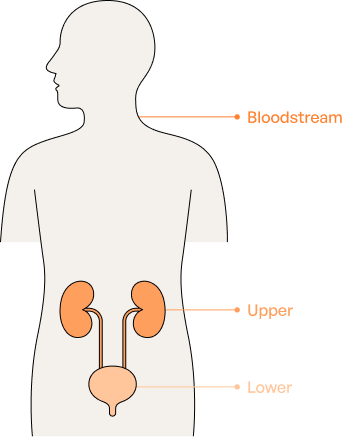
Symptoms depend on how far the infection has traveled in the urinary tract.

Human body diagram showing lower, upper, and bloodstream UTI locations

Lower UTI (Bladder)

  • Burning or pain when you pee
  • Needing to go more often than usual
  • Sudden, hard-to-ignore urges
  • Feeling like you never quite finish
  • Pressure or discomfort in your lower belly
  • Cloudy, dark, or bad-smelling urine

Upper UTI (Kidneys)

  • Fever and chills
  • Pain on one side of your back or side
  • Nausea and vomiting
  • Symptoms getting worse quickly

Bloodstream Infection (Urosepsis)

  • High fever or unusually low body temperature
  • Rapid heart rate and breathing
  • Confusion or disorientation
  • Low blood pressure — a sign of septic shock

What are the complications when untreated?

E. coli UTIs that go untreated or are inadequately treated can progress and cause serious complications.

  • Pyelonephritis
    The infection ascends to the kidneys, causing fever, flank pain, and potential kidney damage
  • Urosepsis
    The infection enters the bloodstream, becoming life-threatening; E. coli is one of the leading causes of sepsis globally
  • Chronic or recurrent UTI
    E. coli can form biofilms inside the bladder that are difficult to eradicate, leading to repeated infections
  • Antibiotic resistance
    ESBL-producing E. coli strains are increasingly common, making standard antibiotics less effective and treatment more difficult

What are my testing options?

Diagnosing an E. coli UTI typically involves providing a urine sample. Testing options include:

  • Standard urine culture
    Identifies the organism and antibiotic susceptibility, but takes 48 hours and may miss certain strains
  • PCR-based molecular testing
    Detects E. coli DNA directly from the urine sample with greater sensitivity, and can simultaneously identify antibiotic resistance genes

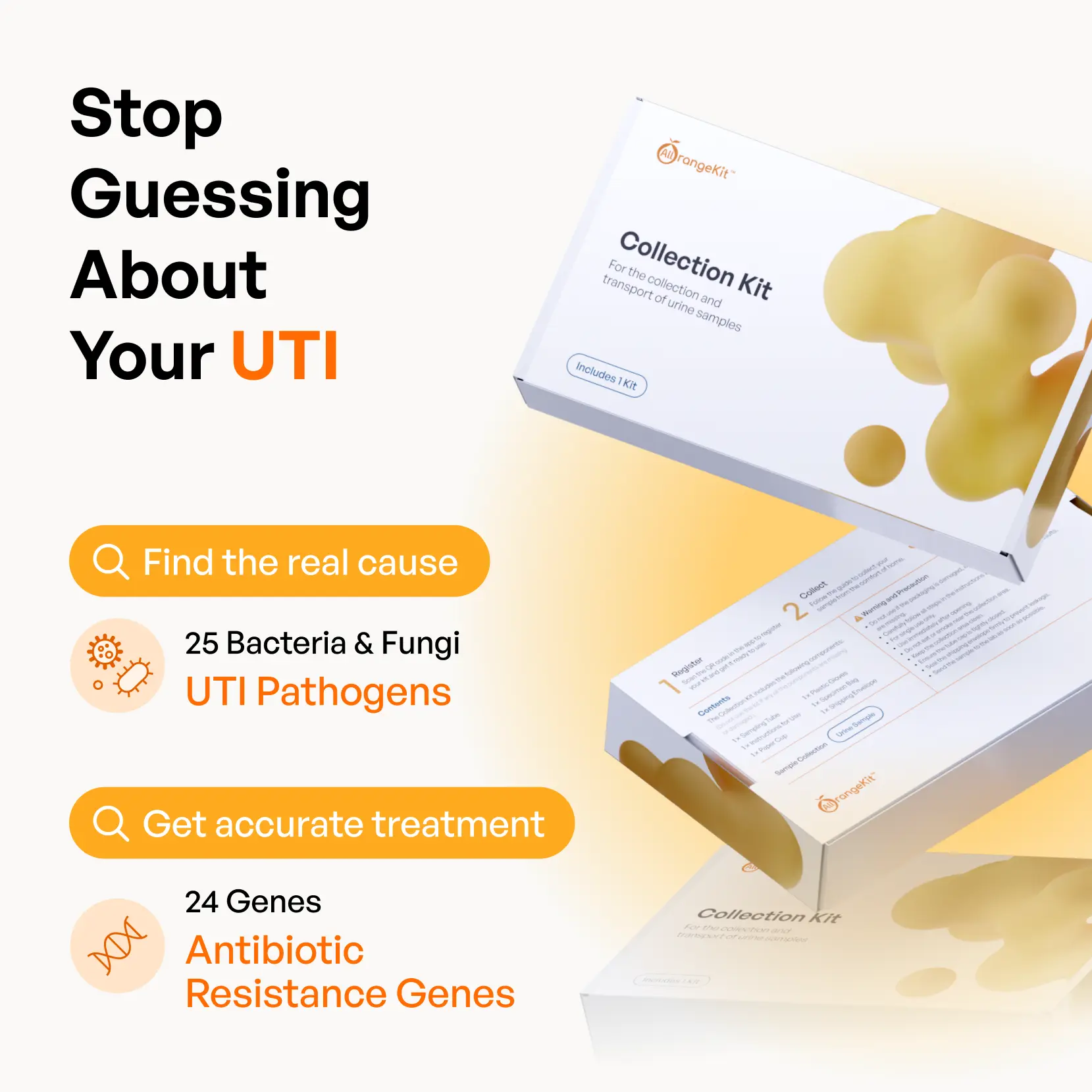
AllrangeKit uses real-time multiplex PCR technology through CLIA-certified labs, which means faster and more comprehensive results than standard culture alone.

How is this bacteria treated?

Most UTIs are treated with antibiotics. The most commonly prescribed options are Nitrofurantoin (Macrobid), Fosfomycin (Monurol), and Trimethoprim/sulfamethoxazole (Bactrim). If those aren't a good fit, your provider may prescribe alternatives like Ciprofloxacin, Levofloxacin, or a cephalosporin.

The right choice depends on your symptoms, medical history, and any antibiotics you've recently taken.

Always complete the full course, even if you start feeling better early.

While you recover

  • Drink enough water to keep your urine a pale yellow
  • Cut back on caffeine, alcohol, and sugary drinks
  • Wipe front to back and try to urinate frequently
  • Urinate before and after sex
  • Probiotics may help, especially if antibiotics upset your stomach

When to seek in-person care

  • Fever above 101°F, shaking chills, or severe back pain
  • Nausea or vomiting making it hard to keep fluids down
  • Symptoms not improving after 24 to 48 hours on antibiotics
  • If you're on birth control pills, antibiotics can reduce their effectiveness, so use a backup method during treatment and for 7 days after finishing.
What should I do next?

  • Follow up with a healthcare provider
  • Complete all prescribed medication as directed
  • Stay well hydrated during treatment
  • If symptoms return after finishing antibiotics, get retested; the causative organism may have changed or resistance may be a factor
  • If you have recurrent UTIs, a broader pathogen and resistance workup may be worth discussing with your provider
25-in-1 UTI Test

25-in-1 UTI Test

$ 175.20

  • 25 pathogens + 24 antibiotic resistance genes. One urine sample. One test.
  • Optional personalized treatment if available
    (additional fee).
  • For recurring UTIs — identify the cause and why past antibiotics may have failed.
  • High Multiplex PCR Molecular NAAT. Company-owned CLIA-certified lab. Clinical-grade accuracy.
  • Fast shipping and results in 1-2 days of receipt.
Free shippingDiscreet packagingFSA/HSA eligible

At AllrangeKit, our at-home collection UTI test detects 27 different pathogens and screens for 8 antimicrobial resistance (AMR) markers, giving you a comprehensive picture of what's actually behind your symptoms and whether standard antibiotics are likely to work.

Take control of your health today with AllrangeKit. Our support team is here to answer any questions you have about our at-home collection test.

Prevention tips

Stay Hydrated

Drink plenty of water

Don't Hold

Go when you need to

Empty Fully

Empty your bladder fully

Wipe Thoroughly

Clean after using the bathroom

Urinate After Sex

Helps flush out bacteria

Avoid Irritating Products

Cautious around genital area

Frequently asked questions

Mild cases occasionally improve without treatment, but most E. coli UTIs require antibiotics. Leaving it untreated risks the infection spreading to the kidneys or bloodstream.

E. coli can form biofilms inside the bladder that are hard to fully clear. Recurrent infections may also involve antibiotic-resistant strains or incomplete treatment. If UTIs keep coming back, a more comprehensive test that includes resistance gene detection can help identify why.

Standard urine culture can miss certain strains or return false negatives, especially if the bacterial count is low or the sample was collected incorrectly. PCR-based testing is more sensitive and can detect E. coli even when culture comes back negative.

No. E. coli UTIs are not passed between people like a cold or flu. In most cases, the infection originates from bacteria already present in your own gut.

Most people notice improvement within 1 to 2 days of starting antibiotics, but it is important to complete the full course even after symptoms resolve.

Yes, though it is less common. Men with prostate issues, catheter use, or a weakened immune system are at higher risk.

Learn more about other panels we test

View all highlights

Uncertainty doesn't
have to last.

Get started